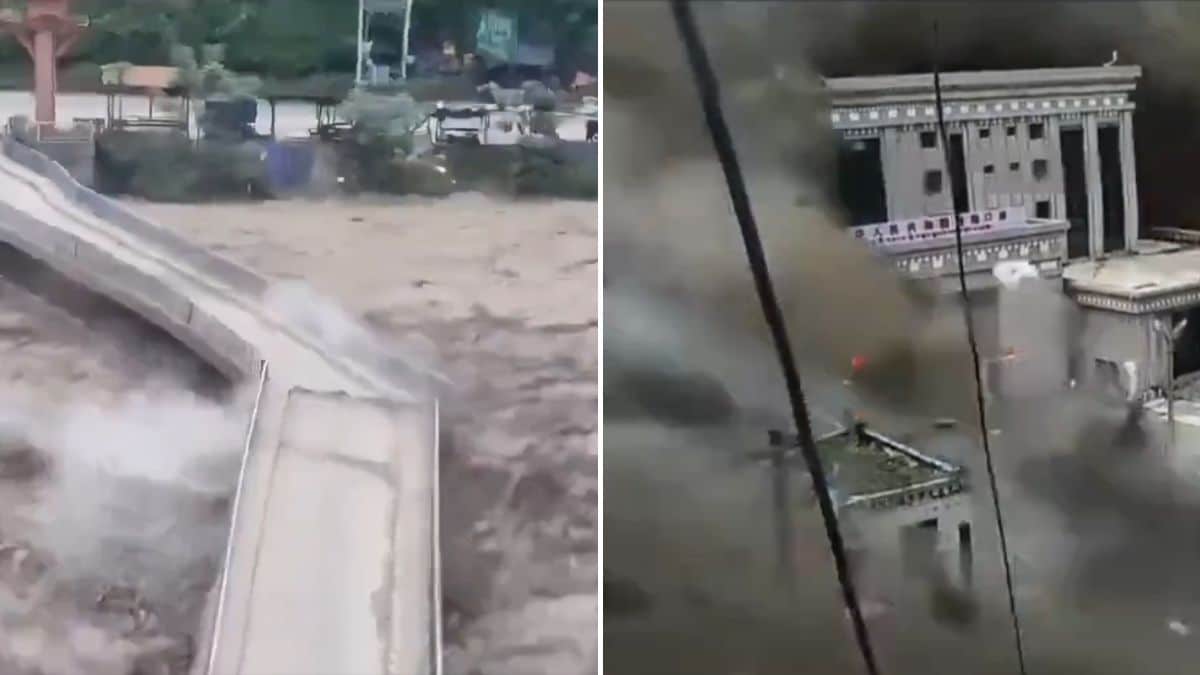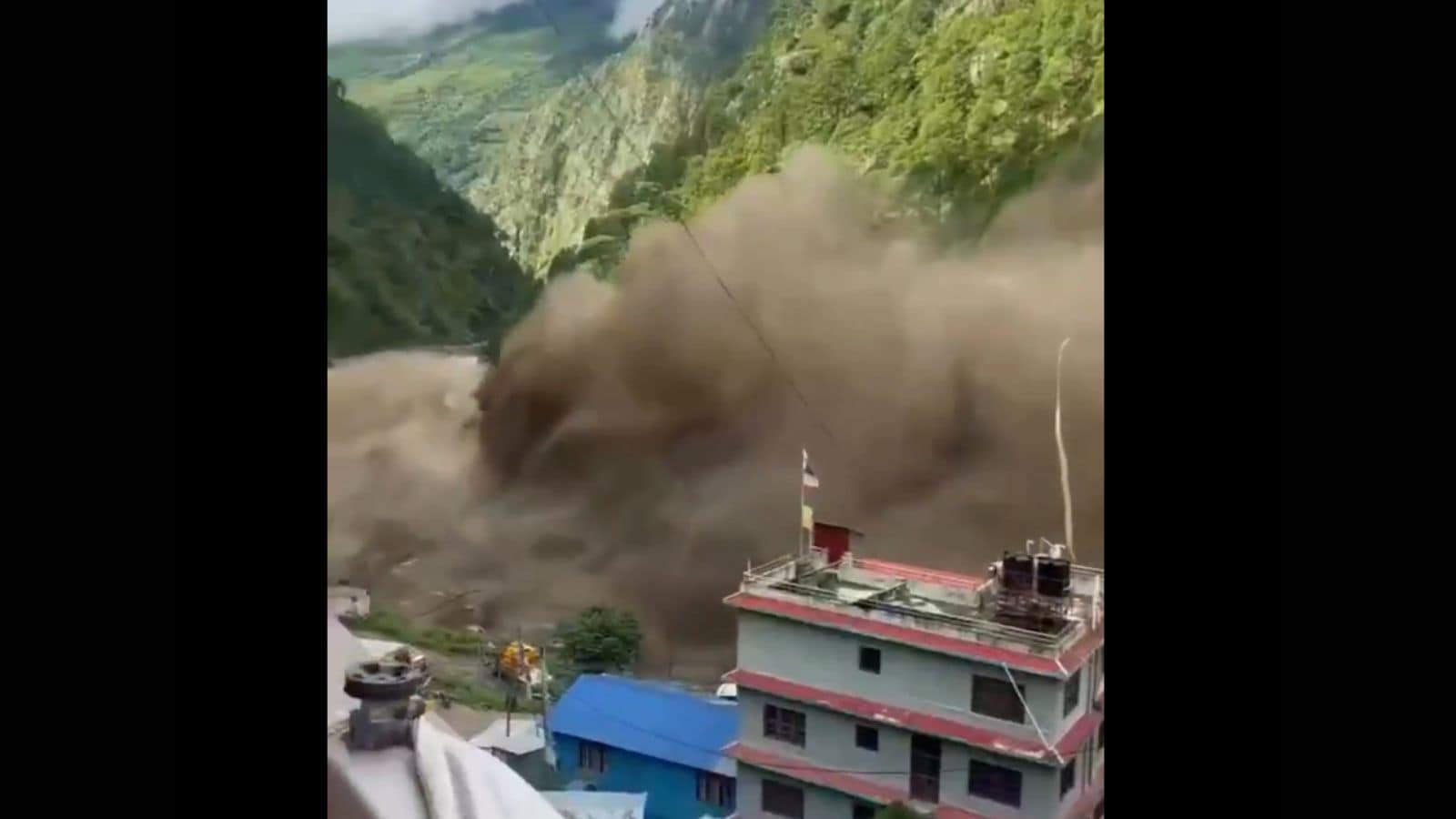
Another flash flood rips through the Himalayas, washing away bridges and trapping hundreds. Within hours, the standard script rolls out on television screens and news feeds. High-level phone calls are placed. Cargo planes loaded with tents, blankets, and essential medicines prepare for takeoff. Politicians issue statements of profound solidarity.
The public applauds the swift optics of state-level humanitarian response. Everyone feels good about the immediate deployment of thirty tons of aid. Building on this theme, you can also read: The Invisible Iron Curtain Inside Every Bank Transfer.
It is a comforting routine. It is also a strategic failure.
We are treating systemic climate and geographical catastrophes like localized shipping errors. Flying tents across borders after a glacial overflow or barrier lake burst is a high-cost, low-efficiency band-aid that masks a complete absence of structural prevention. When leaders trade polite phone calls while entire river valleys are obliterated, they are managing a PR cycle, not solving a crisis. Experts at NBC News have also weighed in on this situation.
Let us dismantle the lazy consensus surrounding emergency disaster logistics.
The Logistics Illusion
The media loves a cargo plane photo-op. An Indian Air Force transport lifting off with medical kits and solar lamps provides an immediate narrative of regional leadership and rapid aid. Look closer at the mechanics on the ground.
When a flash flood originating across the border in Tibet wipes out hydropower projects and slices major transport arteries in central Nepal, a plane landing in Kathmandu does not solve the primary bottleneck. The bottleneck is local distribution. When roads are reduced to rubble and bridges are sheared in half by roaring walls of mud, flying supplies into a central hub leaves them stranded miles away from the actual survivors huddled in remote districts like Rasuwa and Dhading.
I have watched bureaucracies celebrate tonnage metrics while ignoring the last-mile delivery failure. Counting how many metric tons of relief material are dispatched is an administrative vanity metric. If those supplies sit in a warehouse tarmac or require impassable mountain trails to move, the humanitarian value drops close to zero.
Resilience is not measured by how fast a C-130 transport can land. Resilience is measured by how little external intervention is needed when the mountain gives way.
The Blind Spot of Reactive Diplomacy
Bilateral phone calls between heads of government during a crisis are treated as monumental diplomatic achievements. Prime Minister Narendra Modi reaching out to Nepal's leadership to coordinate rescue operations generates positive headlines about regional solidarity.
This is backward. Diplomacy shouldn't start when the bodies are floating and hundreds of travelers—including over a hundred Indian nationals working on regional infrastructure projects—are reported missing. Waiting for a trans-boundary disaster to happen before establishing joint operational command is like waiting for a factory to burn down before hiring a fire marshal.
Cross-border river systems do not care about diplomatic protocols or sovereign boundary lines. When glacial lakes breach or upstream flash floods tear down the Bhote Koshi corridor, the warning time is measured in minutes. A phone call made after the wave has already destroyed dozen-odd hydropower stations is an admission that early-warning telemetry failed or was ignored.
Imagine a scenario where regional intelligence on hydrological shifts is shared in real-time, completely automated, and decoupled from political permission slips. In that world, automated sensor grids trigger automated downstream evacuations hours before a wall of water hits a village. We do not have that system because governments prefer the political theater of sending relief over the unglamorous, quiet work of funding cross-border environmental sensors.
Dismantling the Rescue Myth
Whenever a disaster strikes, public discourse pivots immediately to search and rescue. Dispatching National Disaster Response Force teams or specialized mountain squads sounds proactive.
Yet, external rescue teams arriving 24 hours after a flash flood arrive too late for the acute window of survival. In high-energy mountain flash floods, survival depends entirely on seconds. External responders cannot bypass physics. If bridges are gone and valleys are submerged in silt, elite teams from national capitals spend their first critical twelve hours waiting for local access routes to open.
The most effective rescue unit is always the person standing next to you before the water hits. Local capacity, decentralized cache storage of basic rescue gear in high-risk zones, and community-level training outperform any airlifted squad dispatched from hundreds of miles away.
Centering all relief operations around central government assets creates a culture of dependency. Local municipalities stop investing in local mitigation because they know a cargo plane will eventually show up to clean up the mess.
The Hard Shift Required
We need to stop praising the machinery of post-disaster charity and start auditing the failures of pre-disaster planning.
First, shift funding ratios from reaction to pre-positioning. Stop flying plastic sheets from national capitals when regional warehouses stocked with local materials can be built directly inside vulnerable districts before the monsoon season begins.
Second, automate hydro-meteorological data sharing between nations sharing Himalayan river basins. Make it a technical protocol, not a diplomatic courtesy. When upstream data indicates an abnormal accumulation or barrier lake formation, downstream automatic sirens should wail instantly, bypassing the desks of ministers and prime ministers altogether.
Third, penalize the systemic under-engineering of trans-border infrastructure. Hydropower projects and bridges built in high-risk seismic and flood zones must be held to higher resilience standards, rather than treated as acceptable collateral damage in annual weather cycles.
Charity feels noble. Prevention is boring. But only one of them stops the body count.
India Today Nepal Relief Update
This video provides on-the-ground reporting of the mobilization and initial political responses surrounding the recent disaster relief efforts.