The mainstream media is treating the latest White House proposal for temporary Iranian oil sanctions relief as a tactical masterstroke. Commentators frame the decision by the Office of Foreign Assets Control (OFAC) to dangle temporary waivers through Pakistani mediation channels as a sophisticated tool for de-escalation. They claim it will lower prices at the pump and grease the wheels for maritime transit through the blocked Strait of Hormuz.
This analysis is not just fundamentally wrong; it is dangerously naive.
The belief that temporary economic concessions can pacify a regional adversary while simultaneously stabilizing global energy prices is a persistent fiction wrapped in the language of diplomacy. I have watched successive administrations repeat this exact pattern, burning billions of dollars in strategic leverage while achieving the precise opposite of their intended goals. The reality of economic warfare is unforgiving.
When you offer temporary sanctions relief to an adversary that has effectively halted commercial shipping and escalated nuclear enrichment to 60%, you are not projecting strength or displaying tactical flexibility. You are signaling desperation. You are telling the world that your internal political anxieties over domestic inflation and upcoming midterm elections outweigh your long-term geopolitical commitments.
The Flawed Illusion of Price Evasion
The core justification for these rolling 30-day waivers—whether applied to Iranian crude or the extensions granted to Russian shipments at sea—is that injecting frozen barrels back into the physical market will alleviate supply shocks. This logic is broken.
During my decades analyzing energy markets and navigating compliance frameworks, one structural reality has remained constant: markets price in future risk, not just immediate physical barrels. A temporary, hyper-conditional waiver does not create stability; it introduces unpredictable volatility.
When the Treasury Department issues a temporary waiver, it transforms state adversaries from price-takers on the black market into price-setters on the global stage. It validates their disruption.
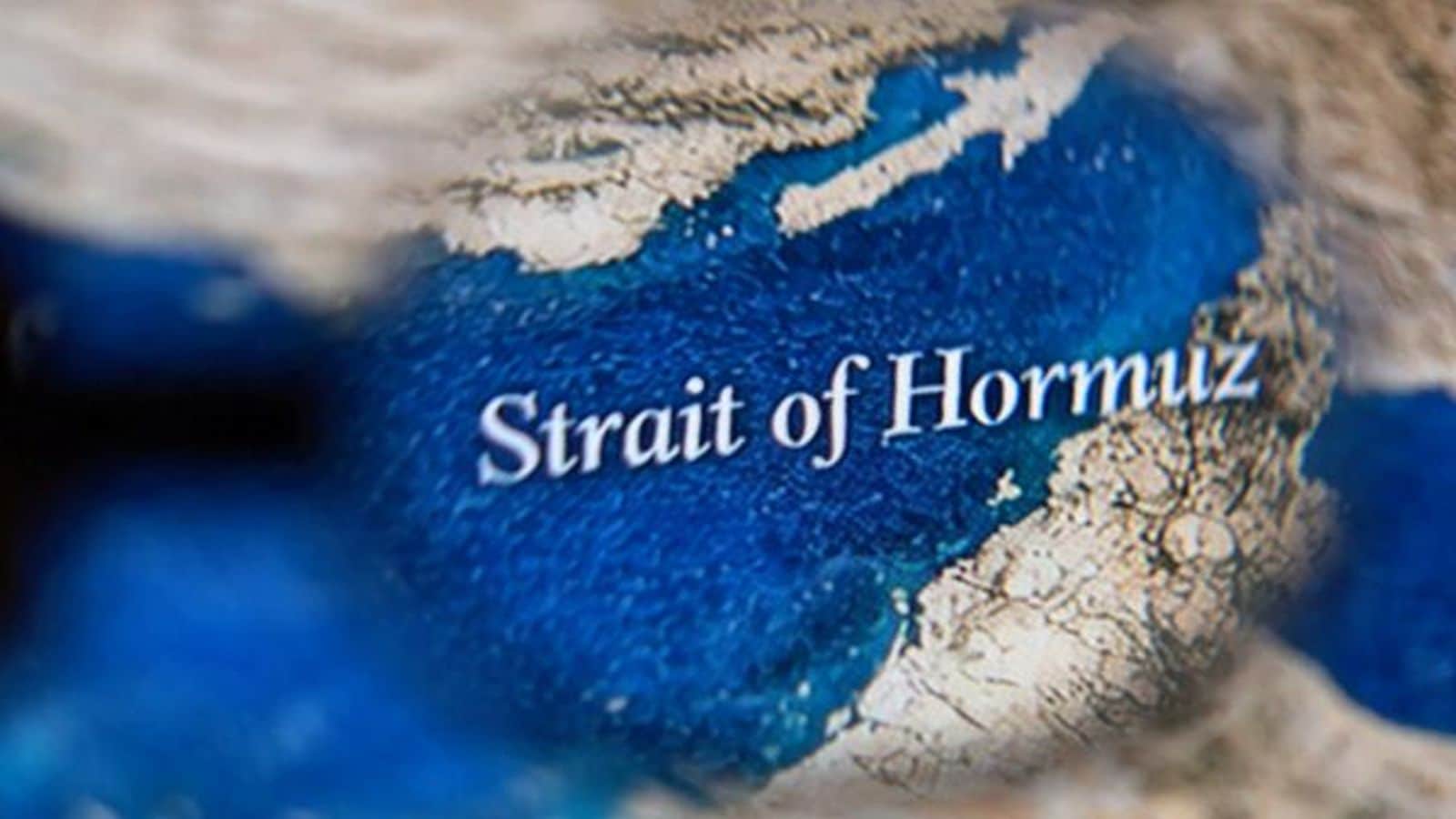
Consider the mechanics of the current crisis. The US-Israeli conflict with Tehran led to severe maritime restrictions and direct energy infrastructure strikes earlier this year. Iran responded by choking off transit through the Strait of Hormuz. Global energy supply chains were forced to absorb massive rerouting costs.
By offering to suspend oil-related sanctions while talks continue, Washington is attempting to trade absolute economic leverage for vague, non-binding promises of maritime de-escalation.
Imagine a scenario where a corporate hostage-taker demands your revenue streams in exchange for letting your supply trucks pass through a highway they illegally blockaded. If you pay them, you do not secure the highway. You merely fund their next blockade.
That is exactly what is happening here. Tehran is treating access to the world's most critical maritime chokepoint as leverage to be preserved and monetized, rather than a concession to be traded away.
Why Maximum Pressure Fails via Half Measures
The administration's stated objective has shifted erratically between "maximum pressure" and desperate accommodation. You cannot run a credible coercion campaign when your enforcement mechanism possesses a 30-day expiration date.
The Treasury Department and the G7 finance leaders continue to advocate for a crackdown on the illicit financial networks fueling the Iranian war machine. Yet, simultaneously, OFAC issues general licenses that authorize the offloading and sale of stranded crude. This creates a deeply compromised compliance environment.
For international banks, shipping conglomerates, and marine insurers, this flip-flop is a compliance nightmare. I have advised multinational firms that spent millions of dollars trying to decipher whether a specific vessel from the Iranian shadow fleet was subject to secondary sanctions or temporarily protected by an obscure Treasury department directive.
The result? Major, law-abiding maritime operators completely abandon the region due to compliance uncertainty. This leaves the field open for illicit actors, "teapot" refineries in China, and unregulated dark-fleet tankers.
By executing a 180-degree reversal every time the price of Brent crude spikes, Washington destroys the structural integrity of its own sanctions architecture. It turns a supposedly unyielding economic blockade into a porous, predictable cycle that state adversaries can easily exploit.
The China Backstop and the Escalation Trap
The underlying flaw of the current proposal is that it completely ignores the role of China. Beijing remains Iran’s largest crude oil customer by a wide margin. This purchasing relationship provides Tehran with an absolute economic cushion, severely diminishing any urgency they might feel to accept Washington's terms.
+--------------------------------------------------------------------------+
|                       THE SANCTIONS ESCALATION TRAP                      |
+--------------------------------------------------------------------------+
|                                                                          |
|   [U.S. Imposes Sanctions] ---> [Iran Blockades Strait of Hormuz]        |
|               ^                                      |                   |
|               |                                      v                   |
|   [Tehran Funds Proxies/]      [Global Energy Prices Spike & Reroute]    |
|   [Expands Nuclear Work ]                            |                   |
|               ^                                      v                   |
|               |                    [U.S. panics over domestic inflation] |
|               |                                      |                   |
|               +--- [U.S. Issues Temporary Oil Waivers] <-----------------+
|                     (Enriches Adversary / Signals Weakness)              |
+--------------------------------------------------------------------------+
The current 14-point counter-proposal submitted by Iranian negotiators through Pakistani mediators demonstrates this confidence. Iran is demanding the full, permanent lifting of all primary and secondary sanctions as a prerequisite for any final agreement. Meanwhile, the American side is offering temporary, piecemeal waivers.
This mismatch exists because Iran knows Washington is terrified of an energy crisis. Every time the US inches closer to implementing secondary sanctions against Chinese firms involved in Iranian crude transactions, it backs away at the last minute to avoid a diplomatic blowout with Beijing.
The hard truth nobody wants to admit is that temporary sanctions relief directly subsidizes the expansion of the threat. The revenue generated from these authorized oil sales does not fund civilian infrastructure or humanitarian relief. It funds the production of ballistic missiles, the deployment of advanced drone technology, and the continued enrichment of uranium.
The administration argues that Iran will face severe difficulties accessing any revenue generated due to strict banking controls. This is an empty talking point. Anyone who has tracked the flow of Middle Eastern capital knows that money is fungible. When you relieve pressure on a state's primary export sector, you immediately free up capital across their entire domestic ledger, allowing them to fund regional proxy networks with total impunity.
Redefining the Energy Security Strategy
If the goal is to permanently stabilize global energy markets and stop the cycle of brinkmanship in the Middle East, the current framework must be discarded entirely. The premise that we can buy temporary stability through economic concessions is broken.
Instead of issuing frantic, short-term waivers every time the market tightens, policy must pivot toward absolute predictability and domestic resilience.
First, the threat of secondary sanctions against third-party buyers of illicit crude must be absolute and automatic. The moment a Chinese teapot refinery processes a single barrel of unsanctioned Iranian oil, it must be cut off from the Western financial system entirely. No exceptions, no diplomatic extensions, and no 30-day grace periods. Yes, this will cause short-term market pain, but it is the only way to break the economic backstop that keeps this crisis alive.
Second, energy security must be treated as a domestic industrial mandate rather than a diplomatic bargaining chip. True market stability is achieved by expanding domestic energy production, upgrading strategic infrastructure, and securing alternative supply routes that bypass critical maritime chokepoints entirely.
Stop trying to fix global oil shocks by enabling the foreign adversaries who engineered them. Until Washington stops treating sanctions relief as an opening gesture of goodwill and starts treating it as an absolute, non-negotiable end-state, the global energy market will remain trapped in a cycle of manufactured crises and inevitable escalation.
The current proposal isn’t statecraft. It is an admission of defeat.