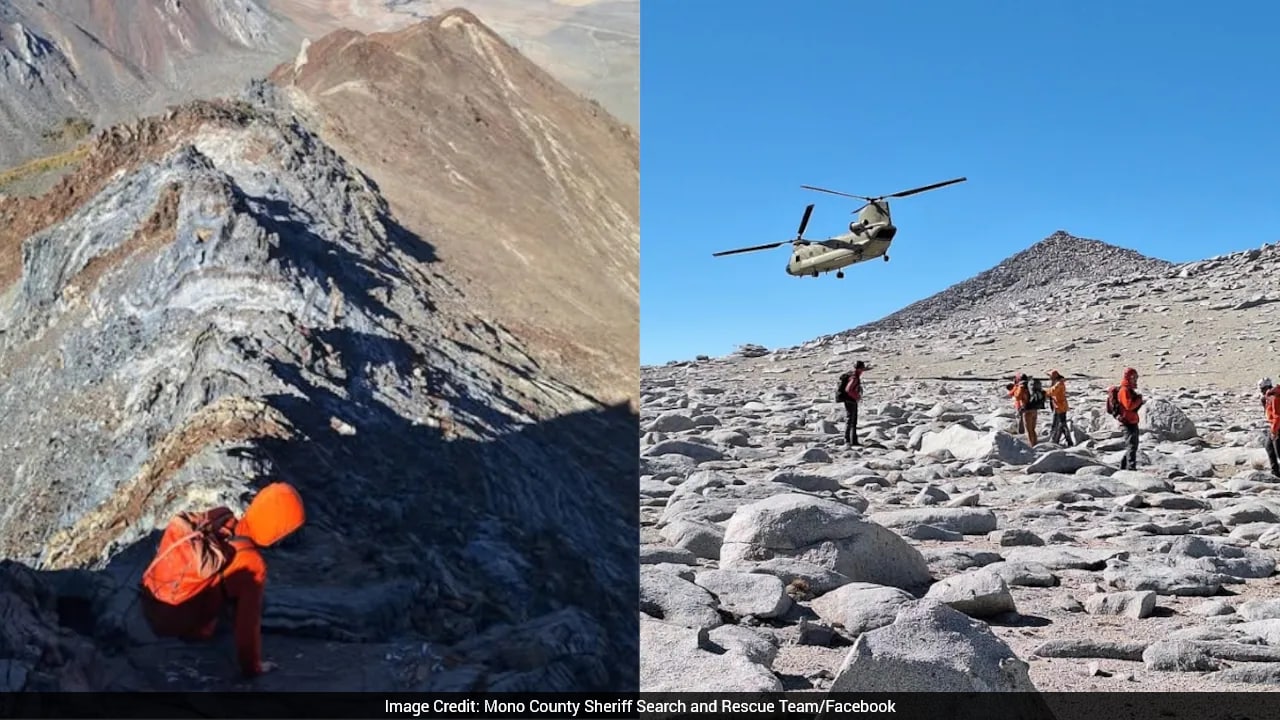
Every time a hiker plunges off a ridge or sends a desperate final text before sliding into a canyon, the media machine grinds into motion with predictable, lazy sentimentality. We get the sorrowful profile. We get the blown-up screenshot of a phone screen reading on my way down. We get the candlelight vigils, the GoFundMe campaigns for grieving families, and the solemn chorus of commentators shaking their heads about the unpredictability of nature.
It is time to stop lying to ourselves about what is actually happening on our public trails.
The standard narrative treats wilderness tragedies as freak acts of God, sudden betrayals by an indifferent environment. That framing is dangerous, comforting nonsense. When an experienced hiker or an unprepared tourist goes over the edge of a California cliff, it is rarely bad luck. It is the predictable culmination of an outdoor culture that has traded competence for aesthetics, romanticized reckless risk-taking, and convinced millions of desk workers that Instagram-ready peaks are basically theme park rides with better views.
Let us look at the mechanics of modern trail culture. For the past decade, social media algorithms have systematically rewarded elevation porn. Cliffside selfies, dangling feet over dizzying abysses, and breathless captions about conquering summits have turned the backcountry into a stage for performative bravado. When people see thousands of filtered images of influencers standing casually on crumbling shale ledges, their internal risk calculator breaks. They mistake exposure for achievement and foolhardiness for bravery.
Search and rescue teams across California spend millions of dollars and countless sleepless nights pulling bodies out of ravines because adults refuse to accept a fundamental physical truth: gravity does not care about your weekend plans, your spirit of adventure, or your emotional caption.
Let us dismantle the core falsehood driving these disasters. The lazy consensus claims that accidents happen because trails are inadequately marked, cell service fails, or sudden weather shifts create traps that no reasonable person could foresee. This is an alibi for bad decision-making.
In reality, the vast majority of fatal falls stem from two distinct behavioral failures: cognitive fatigue on the descent and willful blindness to exposure limits.
Most people understand how to push uphill. Climbing requires brute physical exertion; your heart rate spikes, your lungs burn, and your brain stays focused on the immediate task of vertical progress. The descent is entirely different. Going down demands micro-adjustments, eccentric muscle contractions, precise footing, and sustained mental concentration long after glycogen stores are depleted.
Ask any veteran backcountry ranger or elite mountain guide. Fatigue does not hit you at the summit. It hits you on the way down, precisely when your legs turn to jelly and your brain decides the hard work is over. That is when the foot slips on the loose granite gravel. That is when the shortcut down a steep scree slope looks tempting because walking the switchbacks feels tedious.
Yet, outdoor journalism refuses to hold hikers accountable for poor risk assessment. We treat every victim as a tragic hero rather than an operator who ignored safety margins. If a driver barrels down a winding mountain pass at eighty miles an hour on bald tires and flies off a cliff, we call it reckless negligence. If a hiker steps onto an unmaintained, sheer cliff edge in running shoes for a sunset photo and slides three hundred feet, we call it a heartbreaking accident.
It is the same physics. It is the same avoidable error.
We need to talk about the democratization of danger. Opening up the outdoors to everyone is a noble democratic ideal, but pretending that the wilderness is inherently safe for anyone with a hydration pack and a smartphone is lethal. Trailheads are not amusement park gates. They are high-consequence environments where a single misstep carries permanent, irreversible penalties.
When you read about that final text message sent from the edge of a California precipice, do not just feel sorrow. Feel anger at the systemic failure of outdoor education that left that person unprepared for the reality of the descent.
The fix is not gating off every cliff with ugly chain-link fencing. The fix is radical candor about competence. We need to stop praising people for pushing past their physical limits and start treating poor mountain judgment with the same social disapproval we reserve for drunk driving.
If you are too tired to descend safely, stop. If the exposure is beyond your technical skill, turn around. The mountain will still be there tomorrow. Your skull will not.
Stop treating the wilderness like a backdrop for your personal reinvention. Treat it like what it is: a sheer, unyielding physics experiment that demands absolute respect, relentless preparation, and the humility to walk away when the math does not work in your favor.