The mainstream media loves a "hijack" headline. It sells ads. It triggers the lizard brain. When Frontier Flight 2539 from Punta Cana to Orlando had a momentary lapse in radio etiquette, the internet went into a collective seizure. The "bomb" rumors flew. The word "hijack" started trending before the wheels even touched the tarmac.
Here is the cold, hard reality that everyone from cable news anchors to Twitter "aviation experts" missed: You weren't witnessing a security crisis. You were witnessing the byproduct of a high-stress, low-margin industry where the gap between a "code red" and a "clerical error" is thinner than a cocktail napkin.
The industry consensus is that we had a "near miss" with disaster. That is a lie. What we had was a failure of communication protocols that the public turned into a blockbuster movie script because they don't understand how the cockpit actually works.
The Myth of the "Accidental" Hijack Code
The central drama of the Frontier incident revolves around the "squawk" code. For the uninitiated, a transponder is a radio transmitter in the cockpit that sends a four-digit code to Air Traffic Control (ATC).
- 7500: Hijacking
- 7600: Radio Failure
- 7700: General Emergency
The narrative being pushed is that the pilots "accidentally" signaled a hijack, or that a "bomb threat" was relayed through the ATC audio. Let’s dismantle the "accidental 7500" trope. Pilots don't just slip and hit 7-5-0-0. These are physical dials or digital entries that require intent.
If a 7500 code is entered, the system is doing exactly what it was designed to do: trigger a massive, overkill response from the TSA, the FBI, and local law enforcement. When Flight 2539 landed and was surrounded by flashing lights, that wasn't a sign that the plane was in danger. It was a sign that the bureaucracy was functioning perfectly. The "fear" was manufactured by the response, not the threat.
I have spent years watching airlines prioritize "optical safety" over actual operational clarity. In the case of Frontier 2539, the true "emergency" wasn't a bomb; it was a breakdown in the sterile cockpit environment. When a pilot miscommunicates with ATC, or a flight attendant misinterprets a passenger's erratic behavior, the system is rigged to assume the worst-case scenario. This is known as False Positive Bias, and it's costing the industry millions while terrifying passengers for no reason.
Why You Should Ignore the ATC Audio "Leaks"
Every time one of these incidents happens, YouTube channels rush to post the "chilling" ATC audio. You hear static. You hear a clipped voice saying "bomb" or "security threat." You think you’re hearing the moment a tragedy was averted.
You’re actually hearing a game of Telephone played at 30,000 feet.
ATC audio is notoriously low-fidelity. Pilots use shorthand. Stress narrows the vocabulary. In the Frontier case, the "bomb" mention was a confirmation of a report, not a confirmation of a device. There is a massive technical difference between "We have a report of a threat" and "There is a threat."
The media treats these two phrases as synonyms. They aren't. By the time the public hears the audio, it has been stripped of context. The "hijack fears" weren't based on a guy with a mask and a weapon; they were based on a procedural requirement to treat every vague threat as a 10/10 emergency until proven otherwise.
The Low-Cost Carrier Pressure Cooker
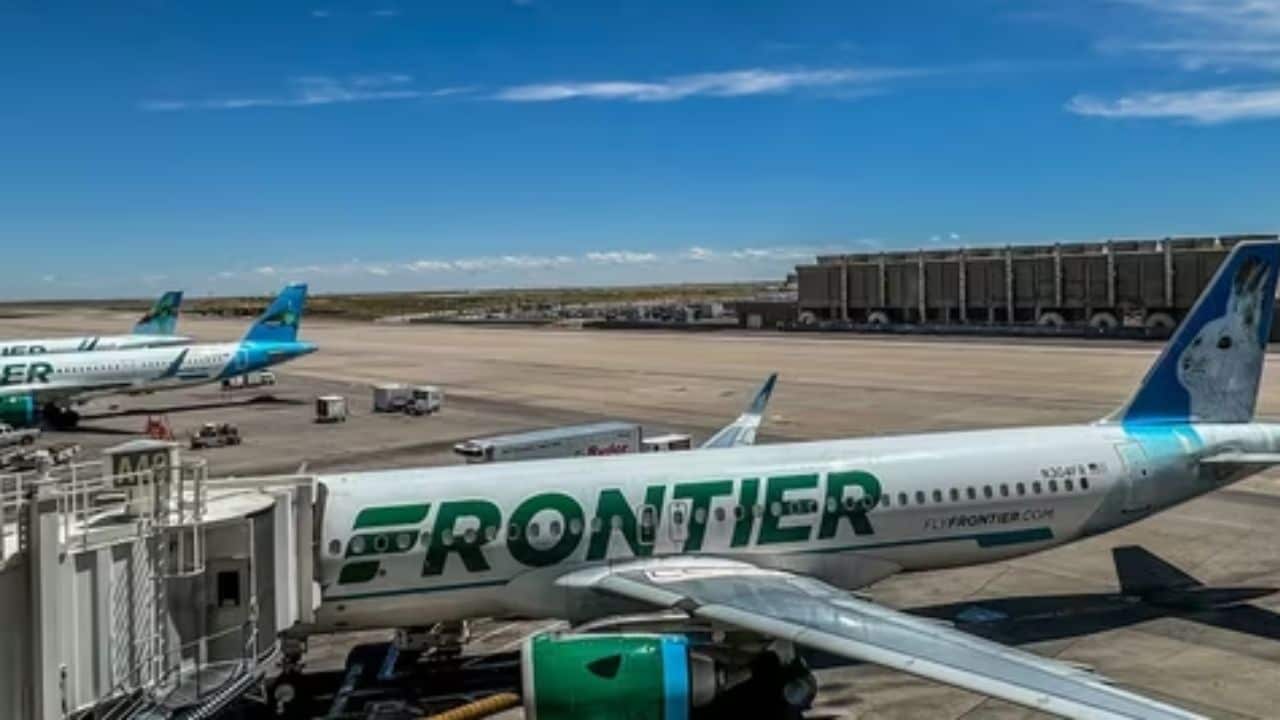
Let’s talk about the elephant in the room: Frontier is an Ultra-Low-Cost Carrier (ULCC).
I’ve seen how the internal gears turn at these companies. The margins are razor-thin. The turnaround times are aggressive. The crews are overworked. When you squeeze the "human" element of aviation this hard, you get friction.
- Crew Fatigue: A tired crew is more likely to escalate a passenger dispute into a "security incident" because they lack the bandwidth for nuanced de-escalation.
- Passenger Demographics: ULCCs attract a high volume of infrequent flyers. These are people who don't know the rules, get stressed by the "nickel and diming," and act out.
- The "Safety First" Shield: Airlines use "safety" as a catch-all excuse to cover up operational mess-ups. If a flight is delayed because the crew screwed up a radio handoff, they'll call it a "security precaution" to avoid paying out compensation or taking the PR hit for incompetence.
The "bomb threat" on Flight 2539 was likely nothing more than a disgruntled or mentally unstable passenger making a comment that, on a legacy carrier like Delta or United, might have been handled quietly by a seasoned Purser. On a ULCC, it becomes a national news event. Why? Because the system is too brittle to handle nuance.
The Hidden Cost of the "Assume the Worst" Protocol
We are training the public to be hyper-vigilant, but what we’re actually doing is making them hyper-reactive.
When the "hijack" news broke, people on the ground panicked. Families of passengers on Flight 2539 were put through psychological torture for hours. For what? For a "squawk" that turned out to be a non-event.
The aviation industry needs to stop treating every verbal outburst as a hijacking. We have reached a point of diminishing returns on security theater. If everything is a 7500, then nothing is. We are crying wolf at Mach 0.80.
Imagine a scenario where a pilot accidentally bumps a toggle during a heavy turbulence event. Under current protocols, that plane is met by a SWAT team. The cost of that response—fuel, diverted flights, emergency personnel, lost revenue—is astronomical. And we, the passengers, pay for it in our ticket prices.
We are subsidizing our own collective anxiety.
Stop Asking "What Happened" and Start Asking "Why Do We Care?"
The "People Also Ask" sections for this incident are filled with questions like:
- Was there a bomb on Frontier Flight 2539? (No.)
- Was the plane hijacked? (No.)
- Is Frontier safe? (Yes, as safe as any other metal tube flying through the air.)
The real question should be: Why are we allowed to believe a hijacking is happening based on a single radio code that is frequently entered in error?
In any other industry, a false alarm is a failure. In aviation, a false alarm is praised as "the system working." This is a logical fallacy. If your home alarm went off every time a cat walked past the window, you wouldn't say the system is "working." You'd say the system is broken.
The Frontier "hijack" wasn't a story about a security breach. It was a story about an industry that is so terrified of a 0.0001% probability event that it is willing to paralyze its operations and traumatize its customers over a misunderstanding.
The Actionable Truth for the Modern Traveler
Next time you see a "Breaking News" alert about an ATC call or a "hijack squawk," do the following:
- Check the Squawk History: If the code changes back to 1200 (Visual Flight Rules) or a standard assigned code within minutes, it was a finger-slip. Ignore the headlines.
- Look at the Flight Path: A hijacked plane doesn't usually continue on a standard descent profile into its original destination. If the plane is landing where it was supposed to, it’s a security theater production, not a crisis.
- Follow the Money: Who benefits from the panic? The news cycles and the security contractors. The airline loses money. The passenger loses sanity.
The "hijack" of Flight 2539 was a ghost. It existed only in the space between a misunderstood radio transmission and a newsroom's desire for clicks. If you want to be a smart traveler, stop buying into the narrative that every radio hiccup is the next 9/11.
Aviation is safer than it has ever been, not because of the flashing lights on the runway, but because of the redundant systems that the media doesn't find "sexy" enough to report on. The drama is the distraction. The reality is boring, and boring is exactly what you want when you’re 35,000 feet over the Atlantic.
Stop rewarding the theater. Turn off the "Breaking News" and let the pilots do their jobs without the world breathing down their necks over a misdialed transponder.
The next time a "bomb threat" hits the news, remember: the most dangerous thing on that plane was the misinformation.