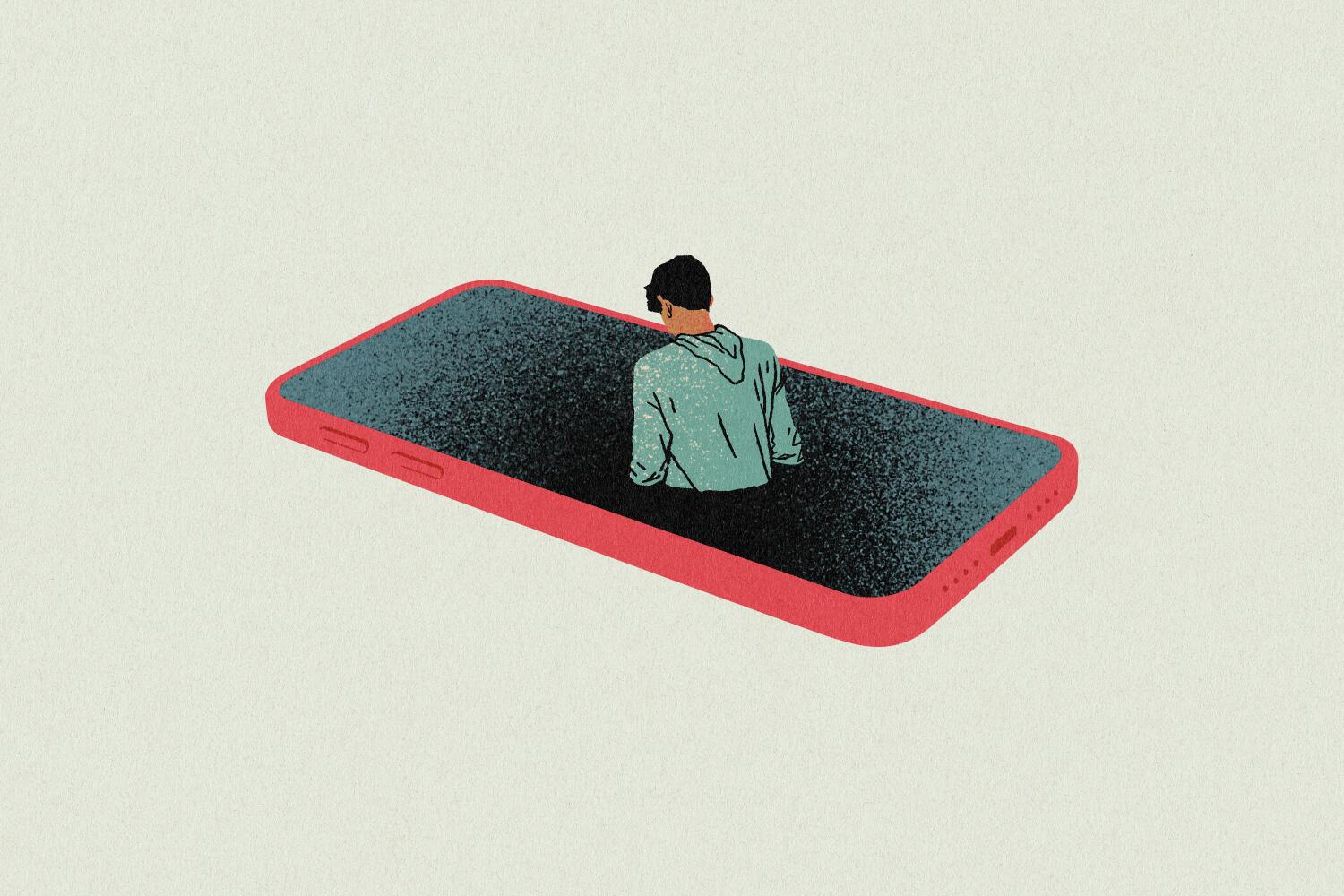
The "loneliness epidemic" is the greatest marketing heist of the 21st century.
Every week, a new think piece drops, dripping with pity for Gen Z. They cite the Cigna studies. They point to the U.S. Surgeon General’s advisory. They wring their hands over "screen time" and "lost social skills." The consensus is lazy: Gen Z is miserable because they aren't sitting in a suburban Applebee’s or joining the local Rotary Club like it’s 1974.
They call it a crisis. I call it an evolution.
What we are witnessing isn't a deficit of connection; it’s a rejection of low-quality, high-friction physical proximity in favor of high-intent, low-friction digital affinity. We are confusing the death of traditional "meatspace" institutions with the death of human intimacy. They are not the same thing.
The Physical Proximity Fallacy
The core argument of the "lonely generation" narrative relies on a flawed premise: that being in a room with people is inherently superior to being in a Discord server with them.
Traditionalists cling to the "Third Place" concept—the coffee shop, the park, the pub. They argue that because Gen Z spends less time in these physical zones, they are isolated. This ignores the reality of 2026. Most physical Third Places have been optimized into "Transactional Spaces."
Try sitting in a modern coffee shop for four hours without feeling the silent pressure to buy another $7 oat milk latte. The "vibe" is curated by an algorithm to ensure high turnover. It’s not a community; it’s a waiting room with better branding.
Gen Z didn't leave the Third Place. They realized the physical version was a rip-off and built a digital one that actually functions.
When a 20-year-old spends six hours on a curated Minecraft server or a niche subreddit, they aren't "withering away." They are engaging in High-Affinity Socializing. They are interacting with people based on shared values, niche interests, and intellectual compatibility rather than the sheer accident of geographical proximity.
Is it "lonely" to skip a high-school reunion to talk to five people across three continents who actually understand your specific obsession with generative art or ethical hacking? Or is it just efficient?
The Myth of the "Screen Barrier"
The most tired trope in this debate is that screens are a "barrier" to "real" connection.
This is a fundamental misunderstanding of how digital native brains process intimacy. To a Boomer or Gen X manager, a Slack message is a tool to get to a meeting. To Gen Z, the digital thread is the relationship.
In 2023, data from the Survey Center on American Life showed that Gen Z actually has more diverse friend groups than previous generations. Why? Because they aren't limited to the kids on their block or the people in their office.
The "loneliness" reported in surveys is often a byproduct of hyper-awareness, not actual isolation. If you grew up in 1980, you didn't know what 500 of your acquaintances were doing on a Saturday night. You sat at home, watched MASH*, and felt fine. Today, Gen Z sees the "highlight reel" of the entire world. They aren't lonelier; they are more aware of the possibility of exclusion.
We are diagnosing FOMO and calling it a mental health catastrophe. We are pathologizing the "pains of transition" as if they are the "symptoms of a disease."
The Efficiency of Digital Intimacy
Let's look at the mechanics of a "real" hang-out.
- Coordinating schedules (High friction).
- Commuting (High cost/time).
- Small talk (Low signal/high noise).
- Physical exhaustion (Social battery drain).
Gen Z has looked at this ROI and decided it’s terrible. Instead, they opt for Micro-Dose Interaction. A voice note here. A meme there. A three-hour deep-dive on a Twitch stream where the "loneliness" is mitigated by a collective, real-time experience.
It’s not "lesser" connection. It’s Asynchronous Connection.
I’ve seen companies spend millions on "culture building" and "in-person retreats" to "fix" the isolation of their young remote workers. It almost always fails. Why? Because you cannot force 1990s-style social structures onto 2020s-style brains. The workers don't want a "happy hour" with people they happen to work with; they want to finish their work so they can go back to the digital communities where they actually feel seen.
The Real Crisis: The Death of Privacy, Not People
If we want to talk about what is actually hurting this generation, stop talking about "loneliness" and start talking about Performative Socializing.
The problem isn't that they aren't connecting; it’s that every connection is now a data point. The "loneliness" they feel is the exhaustion of being constantly "on."
When every hangout is a potential TikTok, the soul of the interaction changes. We have commodified friendship. That is the nuance the "competitor" articles miss. They tell Gen Z to "go out more." Going out more just leads to more opportunities for surveillance and performance.
The solution isn't "more people." The solution is untracked spaces.
The Actionable Pivot: How to Actually Exist in 2026
If you feel "lonely," the worst thing you can do is follow the standard advice to "join a club" or "put down the phone." That is Boomer-tier advice that ignores the modern environment.
Instead, lean into the Frictionless Social model:
- Kill the Feed, Keep the Chat: The "Feed" (Instagram, TikTok, X) is where loneliness lives. It’s passive consumption. The "Chat" (Discord, WhatsApp, Telegram, iMessage) is where connection lives. It’s active participation. Spend 90% of your time in the latter.
- Reject Geographical Loyalty: Stop trying to be best friends with your neighbor or your coworker just because they are there. Use the internet for its intended purpose: finding your "tribe" of weirdos, no matter where they live.
- Optimize for High-Signal Interactions: If you are going to meet in person, make it high-stakes and high-value. Don't "grab coffee." Go on a four-day hiking trip. Host a focused salon. Do something that cannot be replicated by a 4K video call.
- Embrace Solitude as Autonomy: Recognize that much of what is labeled "loneliness" is actually just "unscheduled time." Previous generations were terrified of being alone with their thoughts. Gen Z has the opportunity to master solitude.
The Hard Truth
We aren't worried about Gen Z being lonely. We are worried about Gen Z being uncontrollable.
Traditional social structures—churches, office cubicles, civic groups—were mechanisms of social control and consumerism. By moving their lives into decentralized, encrypted, and niche digital spaces, Gen Z is exiting the "Social Contract" that the older generation relies on for stability.
The "loneliness epidemic" is a gaslighting campaign designed to make young people feel "broken" so they return to the physical malls and office parks that keep the old economy running.
Gen Z isn't the loneliest generation. They are the most selective.
They have realized that most "real world" interaction is a waste of time. They aren't missing out on your "community." They are building a better one where the walls are made of code and the membership is based on merit, not zip codes.
Stop trying to "save" them. They’ve already moved on.