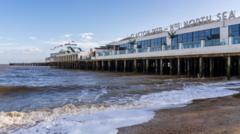
Every time a headline breaks about a near-fatal sea rescue, the media machine spins up the exact same tired narrative. A man is pulled from the water in critical condition. Helicopters scramble. Coast guards are hailed as saints. Bystanders are interviewed about their shock. The public nods along, breathes a collective sigh of relief, and forgets about it by tomorrow afternoon.
It is a comforting script. It is also completely useless.
Beneath the breathless reporting of life-saving heroics lies a much darker, entirely preventable truth. We treat maritime emergencies like freak weather events, acts of god that drop out of a clear blue sky. They are not. They are calculated failures of infrastructure, hubris, and systemic negligence that we choose to ignore because celebrating a rescue feels better than fixing a dock.
Let us dismantle the lazy consensus.
The Myth of the Unpredictable Ocean
The standard narrative relies on a core falsehood: the ocean is a wild, untamed monster that simply reaches out and claims victims at random.
That is an excuse for bad planning.
I have spent decades watching coastal management systems fail. Municipalities slash budgets for signage, neglect rip current monitoring, and defund local water safety patrols, all while pumping millions into tourism boards that invite inexperienced swimmers into hazardous zones. When someone inevitably goes under, we spend ten times the cost of a preventative safety budget on a single helicopter deployment.
It is backward. We underfund the fence at the top of the cliff and overfund the ambulance at the bottom.
Why Standard Safety Warnings Fail
Look at any beach warning sign. They are written by liability lawyers, not psychologists. They are cluttered, overly dense blocks of text telling people not to do things they already plan on doing.
Nobody reads a paragraph of fine print while standing ankle-deep in crashing surf.
If we want to stop pulling people out of the water in critical condition, we have to stop treating public safety like a legal disclaimer. Real behavioral architecture requires friction. If a stretch of coastline is lethal, block physical access. Make safety features impossible to ignore. Stop relying on the common sense of tourists who grew up staring at screens and have zero intuitive understanding of undertows.
The Cost of Our Hero Worship
Rescue operations are breathtaking feats of bravery. The pilots, the medics, the volunteers who plunge into freezing swells—they deserve every ounce of respect they get.
But our obsession with the rescue lets the architects of the danger off the hook.
When a man ends up in critical condition, the news cycle focuses entirely on the final thirty minutes of the drama. Did the winch operator clip in on time? Did the local hospital have an available trauma bed?
We never ask the harder questions.
- Why was that breakwater degraded for four years without repair?
- Why was the local rescue station unmanned on a peak weekend?
- Why do local authorities refuse to implement modern marine telemetry systems that cost less than a single patrol boat's monthly fuel bill?
By turning these incidents into inspiring human-interest stories, we sanitize systemic failure. We turn municipal incompetence into a tear-jerking movie script.
Rewriting the Playbook
If we actually want to save lives instead of just producing good television for the evening news, we need a complete operational overhaul.
First, tie tourism revenue directly to rescue infrastructure. If a town pulls in millions from coastal tourism, a mandatory percentage must go toward hard marine safety assets, not just promotional brochures.
Second, automate early intervention. Drones equipped with payload drops and thermal imaging can spot swimmers in distress long before a bystander yells for help. We already have the technology. We just choose to spend tax dollars on reactive measures instead of proactive defense.
Third, stop sugarcoating the danger. The ocean does not care about your vacation plans. Treat it with the cold, hard operational respect it demands, and stop rewarding the local governments that treat human safety like an afterthought.
The next time a man is pulled from the water, do not look up at the helicopter in awe. Look down at the city council that let him drown in plain sight.