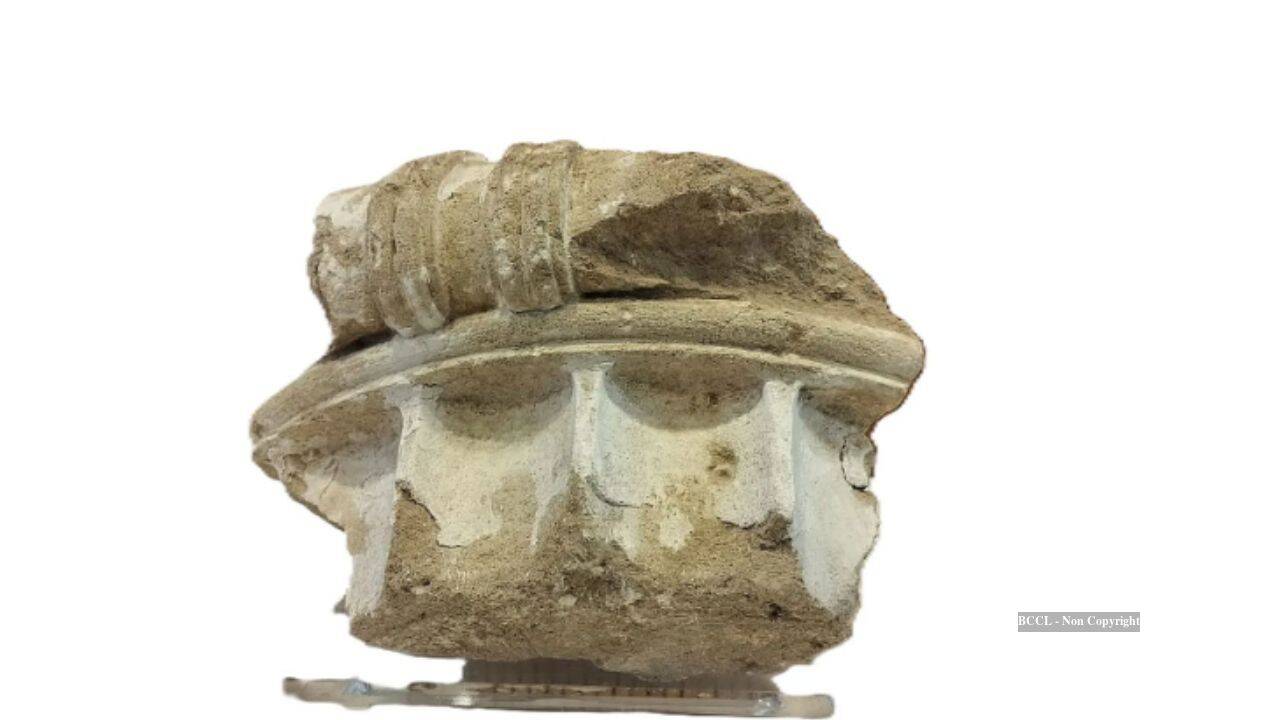
Every few years, the media treats us to a predictable piece of feel-good theater. A tourist, now greying and gripped by late-stage conscience, mails a stolen antiquity back to its country of origin. Accompanying the package is a smudge-stained apology letter blaming youthful ignorance. Headlines celebrate the sinner's sudden redemption. Commentators call it a triumph of cultural heritage.
It is nothing of the sort.
We are watching a masterclass in laundering historical theft through sentimentality. When a German traveler returns a 2,400-year-old artifact taken from Ancient Olympia after sitting on it for half a century, the public applauds the return while completely missing the pathology of the act. The lazy consensus says this is a heartwarming homecoming. The truth is that holding stolen cultural property for fifty years, enjoying it in private, and then tossing it back over the wall when mortality knocks is not a noble gesture. It is an unprosecuted crime wrapped in a bow.
Let us dismantle the mythology surrounding the repentant artifact thief.
The Myth of the Accidental Collector
The standard narrative paints these looters as innocent backpackers who slipped a piece of marble into their rucksacks without realizing its gravity. Fifty years ago, the archaeological site of Olympia was not an unmarked meadow. It was a globally recognized sanctuary, a UNESCO-caliber destination, and a heavily excavated zone guarded by common sense and local law. Nobody pockets a fragment of antiquity by accident. You do it with intent, smuggle it past customs, and display it on your mantelpiece to impress dinner guests with your casual disregard for international law.
When these individuals finally decide to return their spoils, they do so on their own terms, decades later, after they have extracted every ounce of aesthetic and social value from the pillaged item. They assume zero legal risk. Statutes of limitations protect them. Diplomatic channels shield them. They get to play the enlightened elder statesman of heritage protection while having spent their entire adult lives as receivers of stolen goods.
Imagine a scenario where someone walks into a bank, steals a bearer bond, puts it in a drawer for five decades, and then mails it back with an anonymous note when they are eighty. The police would not invite them on a morning talk show to discuss personal growth. They would issue an arrest warrant. Yet, when the currency is a terracotta shard from the birthplace of the Olympic Games, our collective threshold for accountability drops to zero.
The Cultural Tourism Industry Is Built on Plunder
We need to talk about the complicity of the broader travel industry in normalizing the extraction of the past. For generations, travel culture taught people that souvenirs should be physical trophies. The Grand Tour model turned foreign soil into a gift shop.
Museums across Europe and North America are full of structural looting justified by paternalistic arguments about preservation. If institutional giants like the British Museum spent centuries playing finders-keepers with the Parthenon Marbles, why should an ordinary tourist feel guilty about pocketing a brick from Olympia? The individual looter is merely practicing DIY imperialism. They are operating on the exact same philosophical wavelength as the state-sponsored collectors who stripped temples bare under the guise of saving them from local negligence.
The common argument claims that returning these objects heals historical wounds. That is romantic nonsense. A 2,400-year-old artifact detached from its precise stratigraphic context, missing its environmental data, and bouncing around a domestic postal system for a week loses most of its scientific value. Archaeology is not about shiny objects sitting behind glass; it is about context. When a tourist treats an excavation site like a souvenir stand, they destroy the narrative fabric of the past just to own a paperweight.
Why Amnesty Programs Reward Bad Behavior
Governments and heritage authorities lean into these anonymous returns because they want the PR win. Greek cultural ministries frequently issue blanket amnesties or look the other way when items trickle back through embassies, prioritizing the body count of returned relics over legal deterrence.
This creates a perverse incentive structure. If there are no consequences for looting—if you can enjoy the contraband for fifty years and then achieve secular sainthood in your twilight years by mailing it back—more people will do it. Or worse, current travelers visiting fragile archaeological sites across the Mediterranean and the Middle East will assume they can treat antiquities as long-term rental properties.
If you want to stop the bleeding, change the protocol. When an artifact is returned, demand provenance. Require the returning party to identify how it left the ground, who facilitated its export, and what other items might still be sitting in private basements. If they refuse to cooperate with an investigation, treat the return not as a generous donation, but as evidence in an ongoing smuggling case.
Stop thanking thieves for giving back what was never theirs to begin with.
What Actually Needs to Happen
The next time an aging tourist suffers a bout of moral panic and mails a stolen piece of antiquity across international borders, do not run a human interest story about their redemption. Run a story about the statute of limitations. Put pressure on Interpol to track the provenance network that allowed that object to cross borders in the first place.
Real heritage protection is not about polite letters from anonymous donors in Frankfurt or Berlin. It is about making the acquisition of history so socially radioactive and legally hazardous that nobody even considers sliding a piece of Olympia into their jacket pocket in the first place.
Keep your applause for people who actually respect history instead of holding it hostage for half a century.