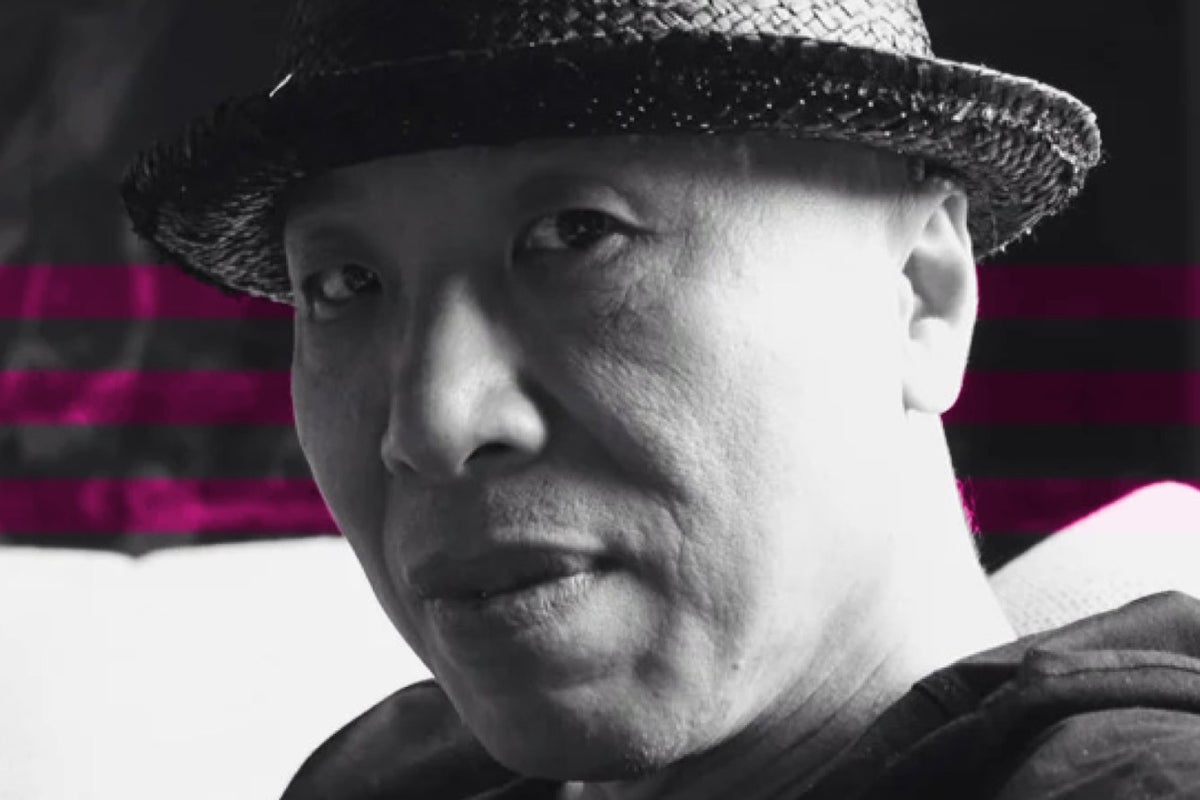
Western media outlets are hyperventilating over the sentencing of Gao Zhen, the US-based Chinese artist handed a three-year prison term for decades-old sculptures mocking Mao Zedong. The lazy consensus screams about artistic freedom, human rights violations, and authoritarian overreach. Everyone is writing the exact same sob story about a dissident caught in the gears of a totalitarian machine.
They are missing the entire plot. For an alternative look, check out: this related article.
Gao Zhen did not walk into a trap because Beijing suddenly decided to patrol the global art scene. He walked into a trap because he ignored the most basic rule of international friction: sovereign states do not care about your portfolio when your passport becomes a legal grey area.
The Naivety Of The Creative Class
Let us strip away the romantic myth of the persecuted artist. Gao was not snatched from a gallery in New York or renditioned from a safe house. He flew back to China voluntarily in 2024, bringing his family, fully knowing his life’s work consisted of provocative, deeply offensive satires of the state's foundational icon. Related analysis regarding this has been provided by The Washington Post.
Writers and commentators love to frame this as an assault on free expression. That framing is lazy. Sovereign enforcement of domestic legal codes does not pause because you managed to acquire a green card or a US residency permit. From Beijing’s perspective, Gao remains a citizen under their jurisdiction, thumbing his nose at laws protecting historical figures.
Expecting an authoritarian superpower to grant retroactive immunity to a high-profile critic just because he lives in America is peak diplomatic illiteracy. The Western media wants to make this about statues like Mao's Guilt or Miss Mao. It is not about the fiberglass or the bronze. It is about jurisdiction, nationalism, and state gravity.
The Retroactive Law Fallacy
Critics point out with righteous fury that the sculptures were crafted between 2005 and 2009, years before China enacted the 2018 Law on the Protection of Heroes and Martyrs. They cry foul over ex post facto prosecution.
Here is the cold reality check. International law is an idealistic suggestion; municipal power is absolute. China’s legal framework operates on political expediency. When a state passes a statute criminalizing the defamation of historical pillars, it establishes a retroactive net precisely to catch ideological opponents whenever they step back inside the perimeter.
Imagine a scenario where a high-profile military contractor leaks classified operational blueprints to a foreign power, legally exploits a loophole, flees the country, and returns a decade later after public outrage forces a new statute. Do they expect a red carpet? No. They expect handcuffs. Sovereignty cares nothing for Western timelines.
The Strategic Blunder Of Voluntary Repatriation
The real story here is not Beijing's cruelty. It is the breathtaking hubris of dissidents who believe their art shields them from reality.
I have watched high-net-worth individuals and public figures play geopolitical chicken and lose millions or their freedom because they underestimated the memory of a state apparatus. Beijing keeps ledgers. If you spend decades producing confrontational political art aimed at the core legitimacy of the ruling party, you do not book a family vacation back to the capital. You treat the border as a closed circuit.
By returning, Gao handed authorities a clean test case. The maximum three-year sentence is not an anomaly; it is a calculated message to every other overseas dissident living abroad. It says that physical safety outside the borders is conditional, and the moment you test the geographic tether, the state will collect.
Stop blaming the weather for getting wet when you walked into a hurricane without an umbrella. The outrage machine wants you to focus on the poetry of the sculpture. Focus instead on the brutal math of state survival.