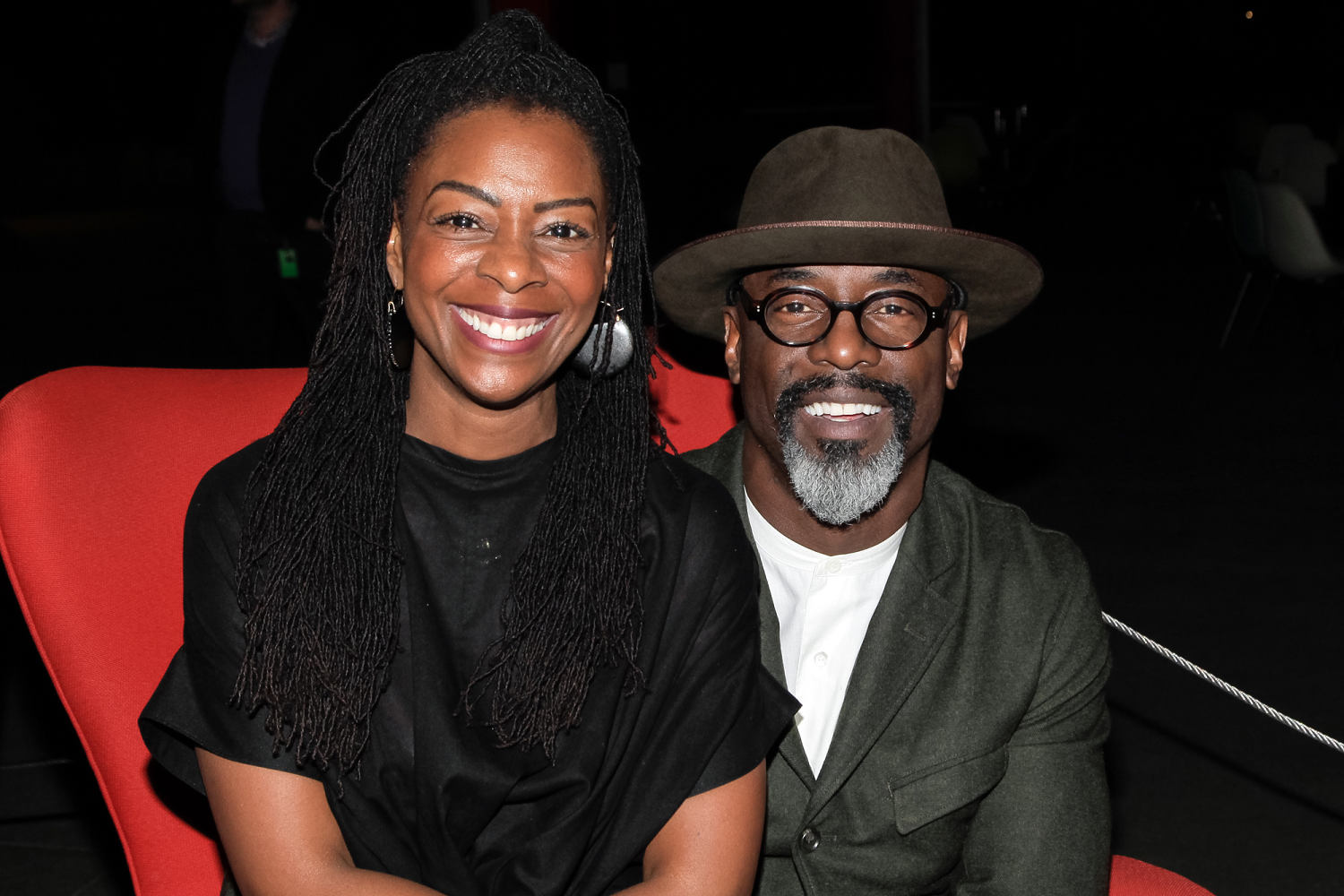
The media wants you to look at a ring, a country music album, and a federal bureau badge, and see a modern fairy tale. When FBI Director Kash Patel announced his engagement to country singer Alexis Wilkins with the caption went and got the law involved, the predictable commentary machine whirred into gear.
Instantly, the lazy consensus took over. Pundits and celebrity gossip columns framed the match as just another quirky convergence of Washington power and Nashville twang. They debated the optics, the age gap, the social media fanfare, and the predictable pearl-clutching over institutional proximity. Every mainstream take missed the actual structural reality of modern political romance.
We need to stop pretending that high-profile political courtships are casual romantic endeavors driven by organic serendipity. They are strategic, highly visible corporate mergers of personal brand equity.
I have watched public figures burn millions of dollars and entire careers trying to manufacture cultural crossover appeal. When a federal law enforcement official at the apex of the national security apparatus links his personal life explicitly to a media-facing conservative culture-war entertainer, you are not witnessing a quaint dinner date romance. You are looking at a calculated consolidation of audience silos.
Let us define terms precisely. In modern American politics, narrative control is currency. A political actor operates within a defined institutional vertical characterized by suspicion, oversight, and deep skepticism from half the country. An artist operating in conservative-leaning country music or alternative media operates in a parallel ecosystem of emotional resonance, grassroots touring, and devoted lifestyle consumers.
When these two worlds merge, the resulting entity does not just share a household. They cross-pollinate audiences.
The lazy consensus argues that these pairings are liabilities—distractions from the serious business of governance or art. Critics love to point out logistical headaches, travel optics, and the inevitable social media scrutiny. But this perspective fundamentally misunderstands how modern influence works. In the current attention economy, controversy and visibility are assets, not bugs. Every headline, every viral post, and every cultural critique deepens the moat around both individuals' personal brands.
Consider the mechanics of the union. Alexis Wilkins built a career navigating conservative political commentary and country music, performing at high-profile patriotic events, and maintaining an active digital footprint. Kash Patel sits at the white-hot center of federal investigative power and anti-deep-state mythology. By formalizing this alliance, both parties lock in a symbiotic loop. His institutional gravity provides her with permanent relevance in the political zeitgeist. Her cultural footprint provides him with a direct, humanized pipeline to a demographic that distrusts traditional media entirely.
Imagine a scenario where a traditional bureaucrat marries a quiet private citizen away from the public gaze. The media cycle ignores it in forty-eight hours. The brand value generated is zero. Now look at the alternative: an engagement announcement that leans directly into the institutional moniker, broadcast across social channels to millions of engaged partisans and critics alike. It is a masterclass in modern audience retention.
The critics screaming about conflicts of interest or institutional decorum are fighting a war that ended ten years ago. They act as though Washington is still governed by the invisible hand of mid-century bureaucratic neutrality. That illusion died the moment politics became indistinguishable from entertainment.
We do not live in an era of institutional separation; we live in an era of total media integration. Every public figure is a media company. Every relationship is a joint venture.
If you want to understand why these high-profile unions happen with increasing frequency, stop looking at romance novels and start looking at balance sheets of attention. Power loves a megaphone, and Nashville has always known how to tune one.
The ring is just the closing argument.