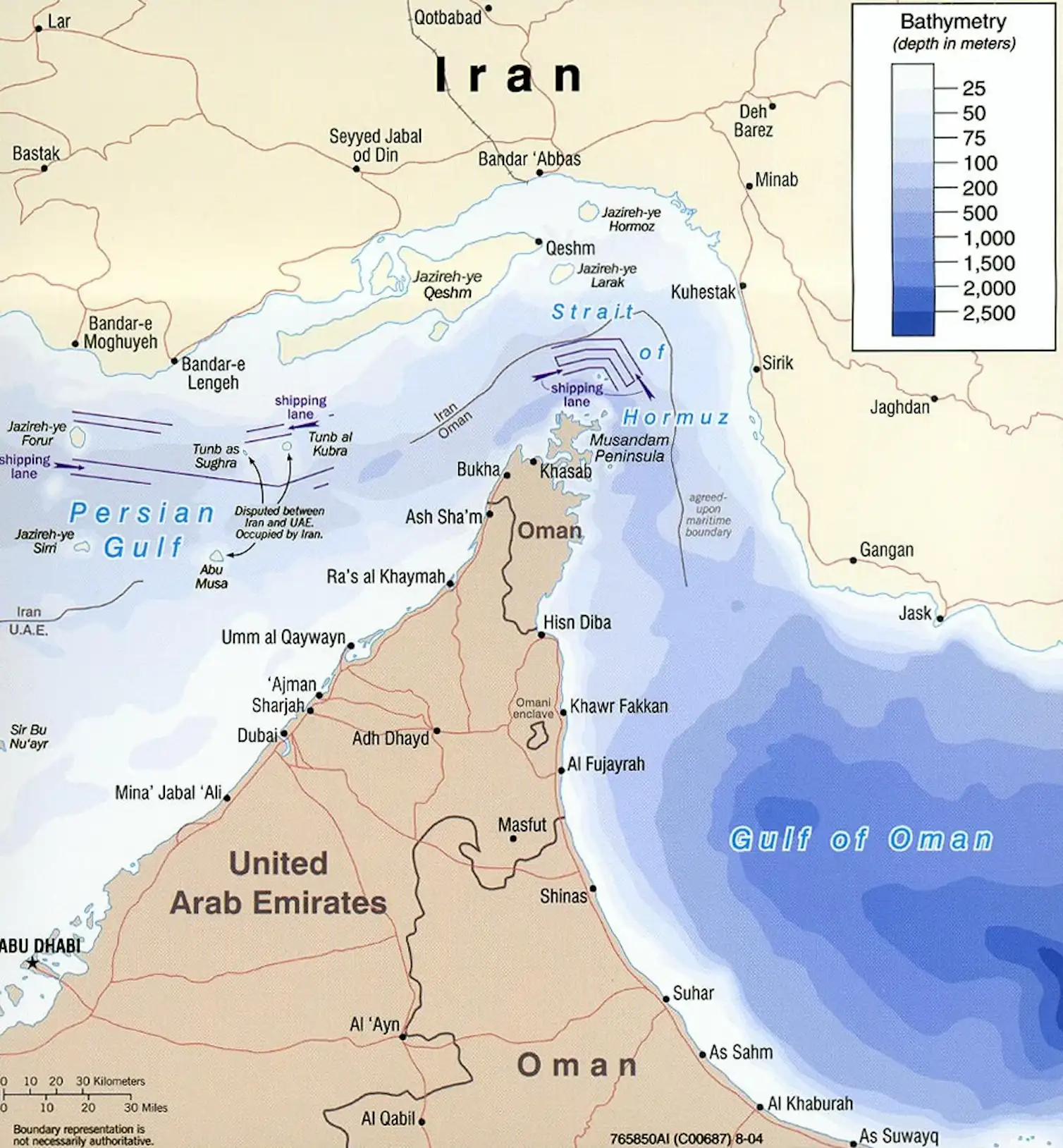
The global energy market just hit another wall. On Saturday, April 18, 2026, Iran reversed its decision to reopen the Strait of Hormuz, effectively slamming the door on a fifth of the world’s oil supply. This isn't just a local spat. It’s a direct response to the U.S. naval blockade of Iranian ports that’s been choking Tehran’s economy for weeks. If you thought gas prices were stabilizing after yesterday's "opening," think again.
The situation on the water is chaotic. Reports from the United Kingdom Maritime Trade Operations (UKMTO) confirm that Iranian Revolutionary Guard gunboats opened fire on a tanker just 20 nautical miles northeast of Oman. It’s clear that the "open for business" sign Iran hung up on Friday was conditioned on the U.S. backing off. Since President Trump made it clear the American blockade isn't going anywhere until a "final deal" is signed, Iran decided to pull the plug. Again.
The blockade vs. the chokepoint
This is basically a high-stakes game of economic chicken. The U.S. is using its navy to stop any ship from entering or leaving Iranian ports. They've already turned back over 20 vessels this week alone. Trump’s strategy is simple: squeeze Iran until they have no choice but to negotiate away their nuclear program and enriched uranium.
Iran’s counter-move is the Strait of Hormuz. They know it's the world's jugular vein for energy. By closing it, they aren't just hurting themselves; they're holding the global economy hostage. Iranian officials are calling the U.S. blockade "banditry and piracy," and they're using their control of the waterway to demand "tolls" and "security fees" from anyone else trying to get through.
What’s actually happening on the water
- Selective Passage: Iran isn't just letting everyone through. They’ve established a "permission-based" route.
- The Price of Entry: Some ships are being told they must pay over $1 million in "environmental fees" to pass.
- Military Action: We’re seeing real-time violence. Indian tankers like the Desh Vaibhav had to pull a U-turn after coming under fire.
- The Dark Fleet: Interestingly, ships carrying sanctioned Iranian oil seem to find their way through just fine, while global commerce sits at a standstill.
Why oil prices are a rollercoaster right now
Yesterday, Brent Crude prices dipped because everyone thought the crisis was easing. Today, that progress evaporated. When the Strait closes, roughly 20 million barrels of oil per day get stranded. There isn't enough pipeline capacity in the world to bypass this 21-mile-wide stretch of water.
You’re going to feel this at the pump, and soon. Analysts at Goldman Sachs and other firms have already warned that a persistent closure could push oil well past $120 a barrel. But it’s not just about your car. We’re looking at a "grocery supply emergency" in the Gulf states. They import nearly 80% of their food through this waterway. When the ships stop, the shelves go empty.
The Pakistan factor
While the warships are posturing, the real work is happening in Islamabad. Pakistani mediators are the only bridge between Washington and Tehran right now. There’s a ceasefire deadline looming on April 22. If a deal isn't reached by then, the temporary "truce" we've seen in places like Lebanon might completely fall apart.
Iran claims they are "reviewing new proposals" delivered by Pakistan’s army chief. But don't hold your breath. Tehran’s Deputy Foreign Minister, Saeed Khatibzadeh, has already called the U.S. position "maximalist" and refused to hand over their stockpile of enriched uranium. They’re dug in.
What you should watch for next
Don't expect a clean resolution by morning. The "flip-flopping" on whether the Strait is open or closed is a deliberate Iranian tactic to keep the markets guessing and keep the pressure on Trump.
If you're looking for signs of what's coming, keep an eye on these specific indicators:
- Shipping Insurance: If Lloyd’s of London and other insurers stop covering the Persian Gulf entirely, the "closure" becomes official regardless of what the politicians say.
- The April 22 Deadline: This is the date the current ceasefire is set to expire. If no deal is reached in Islamabad by then, expect the military strikes to resume.
- Strategic Reserves: Watch for the U.S. or China to start massive releases from their strategic petroleum reserves. That’s a signal they expect the closure to last months, not days.
The reality is that as long as the U.S. blockades Iranian ports, Iran will continue to use the Strait of Hormuz as a weapon. It’s a messy, dangerous cycle that has the global economy on a knife-edge. You should probably top off your tank and brace for a volatile few weeks.