The fragile truce in the Persian Gulf just went up in smoke. After weeks of tense diplomacy, the Trump administration has drawn a hard line in the sand, giving Tehran an absolute ultimatum: publicly admit you screwed up, vow to stop shooting at commercial ships, and declare the Strait of Hormuz open to everyone.
If Iran refuses by the weekend deadline, senior U.S. officials are making it clear that a massive military escalation is next on the table.
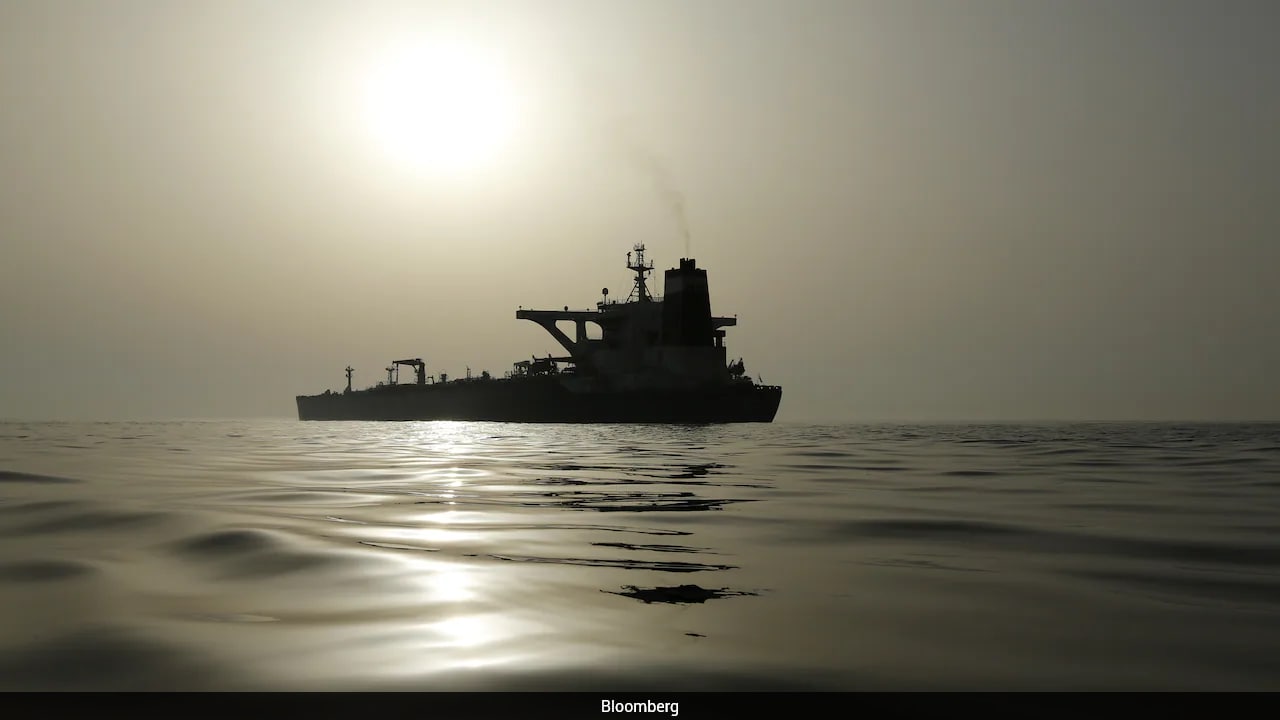
This isn't just another localized flare-up in the Middle East. The Strait of Hormuz is the most critical maritime choke point in the world, responsible for the transit of roughly 20% of global petroleum. When missiles start flying here, energy markets notice immediately, and the global economy feels the pinch. Understanding the real drivers of this fast-moving crisis requires looking past the official state department talking points to see exactly what is happening on the water and inside Tehran's halls of power.
The Choke Point on the Brink
The latest cycle of violence erupted when three commercial tankers—hailing from Saudi Arabia and Qatar—came under fire while transiting the international waterway. The response from Washington was swift and disproportionate. U.S. Central Command (CENTCOM) launched heavy airstrikes hitting over 80 targets inside Iran, wiping out coastal radar systems, air defenses, and more than 60 Islamic Revolutionary Guard Corps (IRGC) small boats.
Strait of Hormuz Conflict Timeline (July 2026)

[July 6-7: Iranian forces target three commercial tankers in the Strait]
               │
               ▼
[July 7: U.S. Treasury revokes Iran's 60-day oil export sanctions waiver]
               │
               ▼
[July 7-8: CENTCOM hits 80+ Iranian targets, destroying 60+ IRGC small boats]
               │
               ▼
[July 8-9: Iran retaliates with strikes on U.S. partner facilities in Bahrain & Kuwait]
               │
               ▼
[July 10: White House issues public ultimatum ahead of Oman emergency talks]
To twist the knife further, the U.S. Treasury Department instantly revoked the 60-day sanctions waiver that had allowed Iran to legally export oil under the short-lived June ceasefire agreement. Iran retaliated by targeting allied facilities in Bahrain and Kuwait, effectively shattering the April and June peace frameworks.
Now, the White House is demanding a public, humiliating concession from Tehran. White House advisers reveal that in private channels, Iranian diplomats have tried to smooth things over, claiming the tanker attacks were executed by an "errant part of their system" looking to sabotage ongoing negotiations. But the U.S. team—spearheaded by Vice President JD Vance, Jared Kushner, and Secretary of State Marco Rubio—isn't accepting behind-the-scenes apologies. They want a public declaration of safe passage, or they're ready to authorize strikes on much larger Iranian infrastructure targets.
A Fractured Regime in Tehran
What makes this situation incredibly volatile is the apparent power struggle playing out in real time within Iran. Following the recent death of Supreme Leader Ayatollah Ali Khamenei, a massive political vacuum opened up.
On one side, you have the pragmatic diplomats, including Foreign Minister Abbas Araqchi, who are desperate to save the economic lifelines tied to the sanctions waivers. They're the ones talking with Qatari negotiators and traveling to Oman for emergency talks. On the other side sits the IRGC and hardline factions who view any concession to Donald Trump as structural suicide.
By launching localized drone and missile attacks on passing tankers, these rogue IRGC units effectively forced the issue, deliberately blowing up the diplomatic progress their own foreign ministry was trying to secure. Washington knows this, but the administration's stance is simple: we don't care who pulled the trigger; the state of Iran is accountable, and they have to publicly say they're done attacking ships.
What This Means for Global Energy Markets
When shipping lanes in the Gulf contract, oil benchmarks jump. While prices are currently sitting below the terrifying $100-a-barrel spikes seen during the heavier spring combat, this renewed friction threatens to choke off traffic just as commercial fleets were regaining the confidence to sail the region.
Global Oil Flow Risk Metrics

Strait Width: 21 miles (Shipping lanes are only 2 miles wide in each direction)
Transit Volume: ~20.5 million barrels of oil per day
Alternative Routes: East-West Pipeline (Saudi Arabia) & Abu Dhabi Pipeline (UAE)
Remaining Spare Bypass Capacity: Less than 4 million barrels per day
The reality is that a closed or highly contested Strait of Hormuz cannot be bypassed effectively. Saudi Arabia and the UAE have pipelines that cross their respective territories to bypass the choke point, but their combined capacity can handle only a fraction of the daily volume that normally floats through the strait. The remaining volume has no backup route.
If Iran's hardliners dig in their heels and refuse the U.S. demand, shipping insurance premiums will skyrocket to prohibitive levels, effectively locking out standard commercial vessels even without a physical blockade.
The Strategy for Navigating the Choke Point
If you run operations for a maritime logistics firm, energy hedge fund, or supply chain division, watching the headlines isn't enough. You need concrete operational pivots to handle this window of high volatility.
- Enforce Strict Dynamic Routing: Avoid scheduling transits during tight diplomatic windows, particularly surrounding the Saturday deadline and the immediate aftermath of the Oman talks.
- Audit War Risk Insurance Clauses: Standard marine insurance policies exclude active conflict zones. Ensure your fleet has active, adjusted War Risk Addendums that explicitly define coverage boundaries within the Gulf of Oman and Persian Gulf.
- Diversify Near-Term Energy Procurement: If you're buying crude or refined products downstream, tilt your weight toward West African, US Gulf Coast, or North Sea barrels for the next 30 days to insulate against a sudden localized pricing spike if the Oman talks collapse.
The upcoming meetings in Oman will tell us everything we need to know. Either Iran's diplomatic wing finds a way to package the required public safety guarantees without looking like they completely surrendered, or the region prepares for another major round of airstrikes that could fundamentally disrupt global energy supplies for the rest of the year.