The Predictable Panicking Over the Strait of Hormuz
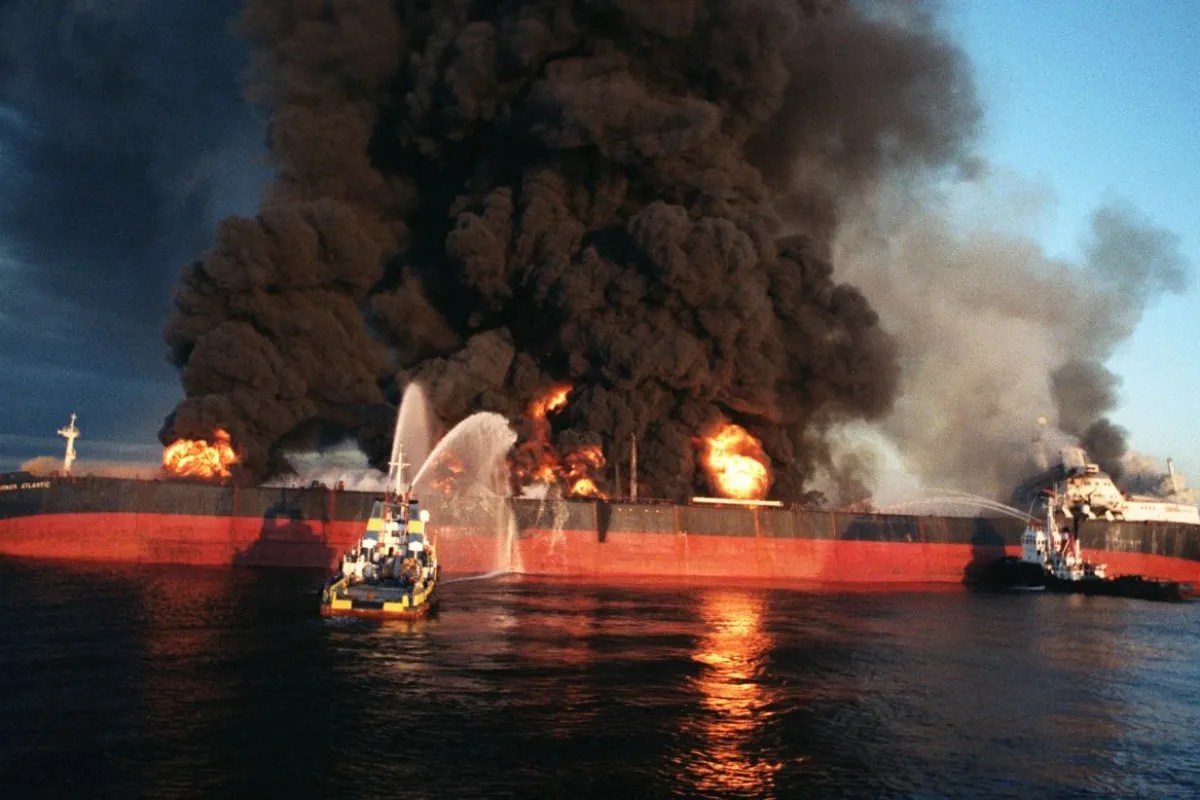
Mainstream media outlets love a loud, violent headline. When Iranian forces target commercial vessels with cruise missiles in the Strait of Hormuz—resulting in tragic, avoidable civilian casualties, like the recent death of an Indian crew member—the editorial narrative writes itself. The coverage immediately pivots to predictable talking points: "Global energy supply chains are collapsing," "World War III is brewing in the Persian Gulf," and "Shipping lanes are completely indefensible."
It is a lazy, reactionary consensus.
Sensationalist reporting frames these missile strikes as unprecedented geopolitical shifts that will break the back of global commerce. They will not. Having analyzed maritime risk and supply chain vulnerabilities for over two decades, I have seen this exact panic cycle play out during every major Gulf escalation. The hard truth is that localized missile strikes, while tragic, are a distraction from the structural failures of global maritime logistics.
The real danger to global trade isn’t the explosive payload of an Iranian cruise missile. It is the systemic vulnerability of how we route, insure, and staff modern commercial shipping.
The Math of Maritime Aggression
Let's dismantle the premise that a few missile strikes can permanently shut down the Strait of Hormuz.
About 20% of the world's petroleum passes through this 21-mile-wide choke point daily. Because the volume is immense, commentators assume the system is fragile. The physics of modern shipping prove the exact opposite.
Commercial tankers, particularly Very Large Crude Carriers (VLCCs), are essentially floating double-hulled steel fortresses. They are built to withstand immense hydrostatic pressure and accidental groundings. A conventional anti-ship cruise missile striking a VLCC rarely sinks it. Instead, it causes localized structural damage, fires that automated systems usually contain, and temporary propulsion failure.
[Missile Strike] ➔ [Localized Damage/Fire] ➔ [Insurance Payout/Repair] ➔ [Business as Usual]
Iran’s military strategy isn't designed to completely close the Strait. They know that a total closure would trigger an overwhelming, asymmetric kinetic response from a coalition of Western and regional navies. Tehran’s true objective is calculated, low-level friction. They want to spike insurance premiums and exert political leverage without crossing the line into a hot war that would destroy their own coastal infrastructure.
By treating these incidents as apocalyptic events, the media hands Iran the exact psychological victory it desires.
The Real Vulnerability: The War Risk Insurance Racket
If you want to understand the true impact of a missile strike in the Gulf, follow the money. The kinetic damage to a ship is minor compared to the financial shockwaves engineered by maritime underwriters in London.
The moment a missile is fired, the Joint War Committee (JWC) of the Lloyd's Market Association alters its listed hull war, piracy, terrorism, and related perils areas.
- The Immediate Penalty: Shipowners are forced to pay an additional premium just to transit the Gulf.
- The Escalation: These premiums can skyrocket from 0.05% of the vessel's value to over 1% in a matter of days.
- The Result: For a $100 million tanker, a single transit suddenly costs an extra $1 million.
This is where the real economic damage occurs. The shipping industry does not absorb these costs; they pass them directly to the consumer. The inflation you feel at the gas pump after a Middle East flare-up isn't caused by a physical shortage of oil. It is caused by the speculative pricing of maritime insurance companies capitalizing on the chaos.
We are operating within a deeply flawed framework where speculative risk modeling dictates global economic stability more than actual physical disruptions.
The Human Cost of the Flag of Convenience Scam
The tragic loss of life, such as the Indian crew member killed in the recent attack, highlights the ugliest, most ignored reality of merchant shipping: the Flag of Convenience (FOC) system.
Why are Indian, Filipino, and Bangladeshi seafarers continuously placed in the crosshairs of geopolitical conflicts? Because major shipping conglomerates hide behind the regulatory vacuums of nations like Panama, Liberia, and the Marshall Islands.
[Western Shipowner] ➔ [Panamanian Flag] ➔ [South Asian Crew] ➔ [High-Risk Choke Point]
Under the FOC system, shipowners register their vessels in developing countries to evade taxes, bypass strict labor laws, and skimp on security measures. They deploy underpaid crews from developing nations into known war zones without providing adequate defensive countermeasures, such as private maritime security teams or electronic warfare jamming equipment.
I have watched maritime executives sit in pristine boardrooms in Hamburg and Tokyo, signing off on routes through active combat zones because the financial penalty of delaying a cargo outweighs the value they place on the lives of their outsourced crew.
If the industry genuinely cared about maritime security, it would abandon the FOC loophole and mandate that any vessel transiting a high-risk zone fly the flag of a nation capable of providing active naval protection. But that would hurt the quarterly profit margins.
Stop Looking at Hormuz; Watch the True Choke Points
The obsession with the Strait of Hormuz blinds logistics managers to far more critical, unresolvable threats elsewhere on the map.
If the Strait of Hormuz faces disruption, oil can still be bypassed through Saudi Arabia’s East-West Pipeline to the Red Sea, or via the Abu Dhabi Crude Oil Pipeline to Fujairah. The infrastructure to reroute exists.
Now, look at the true vulnerabilities:
1. The Bab el-Mandeb Strait
A narrow passage between Yemen and Africa. Unlike the wide deep-water channels of Hormuz, the Bab el-Mandeb forces ships into tight lanes directly adjacent to unstable states armed with cheap, asymmetric drone technology. There are no viable overland pipelines to bypass a total closure here.
2. The Malacca Strait
The primary artery for Asian manufacturing and energy imports. It is congested, prone to state-sponsored piracy, and lacks any immediate alternative route. A protracted blockage here would halt global tech supply chains within 72 hours.
3. The Panama Canal
A system entirely dependent on freshwater lakes that are increasingly susceptible to climate-induced droughts, forcing severe draft restrictions and chopping daily transits by half.
Focusing exclusively on Iran’s missile capability is a failure of strategic vision. A drought in Central America or a drone swarm in the Red Sea does far more structural damage to global GDP than a localized missile strike in the Persian Gulf.
How to Navigate Post-Hormuz Logistics
If you are running a global business, relying on standard supply chain playbooks will leave you exposed. Stop waiting for navies to secure the oceans. They cannot be everywhere at once.
- De-risk Through Asset Diversification: Stop putting all your cargo on mega-vessels flying flags of convenience. Break shipments across smaller, agile carriers that utilize diverse routing, even if the upfront freight rate is higher.
- Audit Your Underwriters: Demand transparency in your war risk clauses. If your insurer hikes rates based on media headlines rather than localized telemetry data, change your underwriter.
- Enforce Crew Security Mandates: Refuse to charter vessels from operators who do not provide active electronic countermeasures and armored safe rooms (citadels) for their crews when transiting the JWC listed zones.
The era of cheap, frictionless ocean freight protected by the assumption of global peace is dead. The companies that survive the next decade will be those that stop panicking over the noise of explosions and start fixing the structural rot inside their own logistics networks.
Move your cargo differently, or prepare to watch your margins burn.