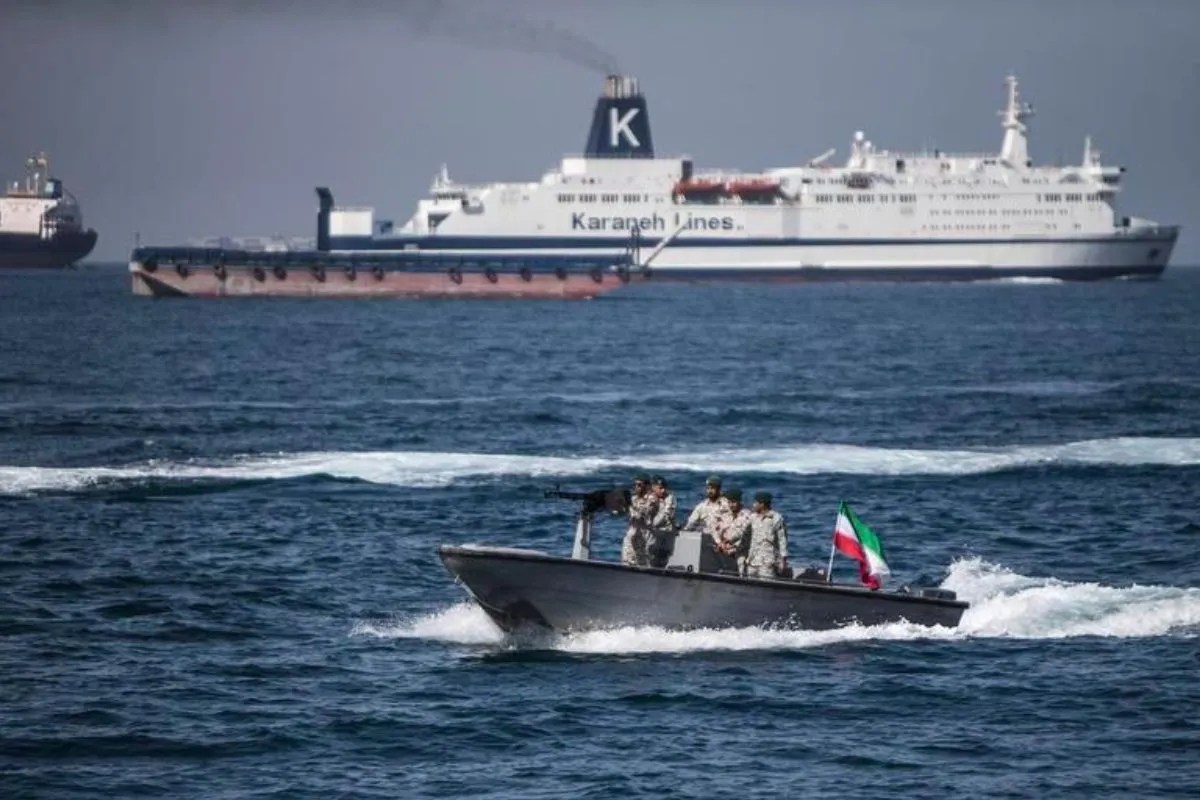
The Strait of Hormuz is not just a patch of water. It is the jugular vein of the global energy economy. Every day, millions of barrels of oil move through this narrow choke point. When Tehran makes threats about blocking the passage or taking hostages, the world doesn't just listen. It panics.
You’ve likely seen the headlines. Officials in Iran warn that any military strike against their territory will trigger a severe response. They talk about turning the strait into a trap. They mention holding foreign military personnel. It sounds like high-stakes poker, but the reality is much more complex and dangerous.
The Geography Of A Choke Point
Look at a map of the Middle East. The Strait of Hormuz connects the Persian Gulf with the Gulf of Oman and the Arabian Sea. At its narrowest point, it is only 21 miles wide. Ships travel through a two-mile-wide shipping lane—two miles for inbound, two miles for outbound.
This is where the vulnerability lies. Tankers are slow, massive, and impossible to hide. If a regional power decides to disrupt traffic, they don't need a full-scale naval fleet. They can use swarming tactics with fast-attack craft, sea mines, or precision missiles launched from the coastline.
I’ve watched military analysts track this region for years. They often point out that Iran doesn't need to permanently close the strait to destroy the global market. They just need to create enough fear to drive up insurance premiums. When insurance costs spike, shipping companies stay in port. The oil stops moving. That is how a regional skirmish becomes a global price shock at the gas pump.
Why The Hostage Threat Matters
Tehran’s rhetoric about taking military personnel hostage serves a specific purpose. It is psychological warfare. By shifting the threat from "we will sink ships" to "we will capture your people," they raise the stakes for Western leaders.
This isn't just about naval dominance. It is about domestic political fallout in Washington, London, or Paris. Governments are terrified of seeing their service members paraded on state media. Iran knows this. They understand that the fear of a hostage crisis can be more paralyzing than the fear of a kinetic strike.
The legal reality is messy. Under the United Nations Convention on the Law of the Sea, vessels have the right of "transit passage." This is international law. But international law doesn't stop a surface-to-air missile or a small boat packed with explosives. Treaties are just paper when someone is willing to burn the house down to prove a point.
Historical Precedents And Modern Realities
We have seen this movie before. During the Tanker War in the 1980s, the United States launched Operation Earnest Will. They reflagged Kuwaiti tankers and provided naval escorts. It was expensive, slow, and risky.
Today’s technology makes the threat different. Drone swarms are cheaper and harder to stop than the conventional weapons of the 80s. You don't need a billion-dollar ship to cause chaos. A handful of modified commercial drones can disrupt radar systems and create confusion.
The U.S. Navy maintains a constant presence in the Fifth Fleet, based in Bahrain. Their job is to keep the channel open. But keeping a 21-mile-wide channel secure against unconventional attacks is a massive drain on resources. It ties down assets that the Pentagon would rather deploy in the Pacific or Europe.
What You Need To Know About Energy Security
If you are wondering how this impacts you, look at energy supply chains. Global markets hate uncertainty. Even a rumor of a blockade sends Brent crude futures climbing. When the market thinks supply might be interrupted, it prices in a "risk premium." You pay that premium at the pump.
Many people think that because the U.S. produces a lot of its own oil, it is immune to events in the Persian Gulf. That is a mistake. The global oil market is integrated. If tankers stop moving in Hormuz, it doesn't matter where the oil came from. Prices will surge everywhere.
Practical Steps For Keeping Up
Don't fall for sensationalist clickbait that claims war is starting tomorrow. Instead, focus on these three indicators to understand the actual risk level:
- Shipping Insurance Rates: If you see reports that Lloyd’s of London is increasing premiums for tankers entering the Persian Gulf, the situation is getting real. This is where the private sector bets its money on the likelihood of conflict.
- Naval Posture: Watch for the movement of aircraft carrier strike groups. If the U.S. shifts a second carrier group into the region, they are preparing for a potential flare-up.
- Official Communications: Ignore the angry talking heads. Follow the statements from the U.S. Central Command and the relevant maritime authorities in Oman and the UAE. They provide the clearest picture of what is actually happening on the water.
This is a game of bluffs and counter-bluffs. Iran wants to ensure they have leverage in negotiations. The West wants to maintain the status quo. Nobody actually wants a war that would wreck the global economy and force a massive military intervention.
Still, the margin for error is razor-thin. One miscalculation by a junior officer on a patrol boat could spiral out of control. It is a fragile standoff, and it isn't going away anytime soon. Keep an eye on the insurance markets and the movement of naval assets. That is the only real story that matters.