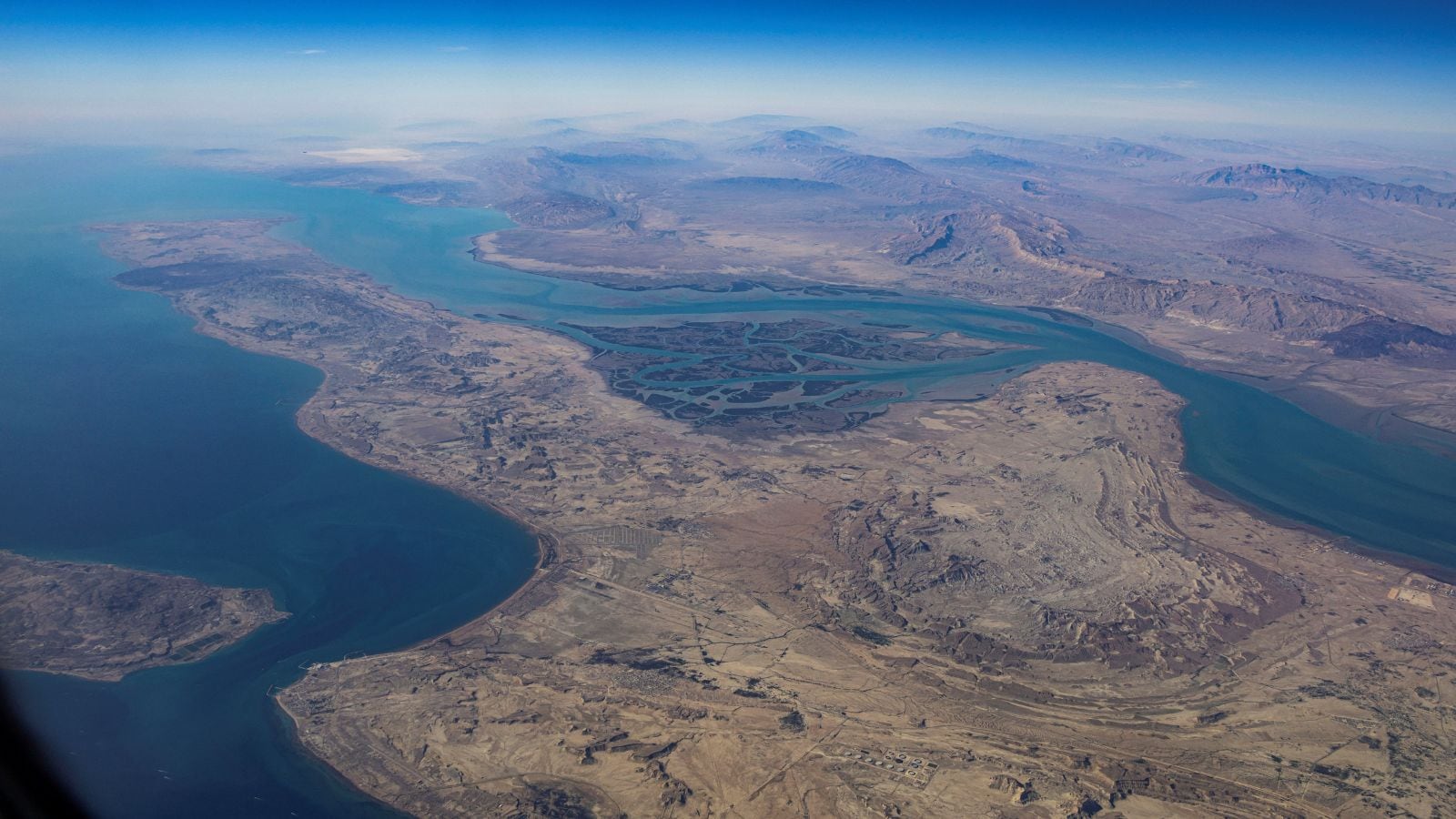
The maritime pulse of the global economy has effectively flatlined. Ship-tracking data from this past weekend reveals a chilling reality for international energy markets: transit through the Strait of Hormuz has slowed to a trickle, with only five commodity vessels documented on Saturday and a complete absence of registered traffic on Sunday. This is not merely a regional maritime spat. It is the systemic breakdown of a vital artery that once carried over 130 ships daily.
When the Abu Dhabi National Oil Company recently reported that three of its tankers were targeted in transit, the message to the shipping industry was clear. The insurance premiums for risk-prone waters are no longer a matter of simple accounting adjustments. They are a prohibitive barrier to entry. For the crew members and owners operating in these waters, the cost of doing business is no longer measured in fuel efficiency or port fees, but in the immediate survival of their hulls and their personnel.
This freeze reflects a deeper, more permanent shift in how energy security is perceived. For decades, the global order relied on the assumption that the world’s most critical chokepoints would remain open regardless of geopolitical friction. That assumption is now dead. We are witnessing the result of a total collapse in the informal rules of engagement that previously kept oil flowing even during periods of extreme tension.
Consider the contrast between current conditions and historical precedents. In past decades, even during heighted regional confrontations, the transit of crude oil and liquefied natural gas remained largely insulated. Today, the blockade of Iranian ports and the subsequent retaliatory actions have turned the Strait into a tactical zone. The reality is that the threat of sea mines and targeted strikes has moved from hypothetical war-game scenarios to daily operations.
The economic fallout is predictable yet severe. With no resolution on the horizon for the ongoing conflict, commodity traders are bracing for sustained volatility. Financial institutions like JPMorgan and Goldman Sachs are already modeling the potential for Brent crude to surge well beyond the $100 per barrel mark, depending on how long this near-total standstill persists. Each month of this disruption is not just a statistical headache for supply chain managers. It is a direct inflationary shock to every economy that relies on affordable energy.
We must look past the immediate price fluctuations and understand the structural changes occurring in how vessels navigate the region. Some ships have begun operating with their automatic identification systems deactivated to avoid detection. Others are navigating through hazardous or unconventional routes closer to hostile coastlines. This creates an environment where transparency is sacrificed for security, making it nearly impossible for insurers or maritime authorities to accurately assess the risk level of any single transit.
The strategy of relying on naval escorts is also showing its limitations. While the United States continues to assert its ability to maintain a presence, the efficacy of such protections is waning in the face of asymmetric warfare. When a merchant ship can be disabled by a low-cost drone or a simple mine, the relative strength of a naval cruiser becomes less relevant. The defensive advantage is shifting toward the aggressor.
For those who rely on these energy supplies, the window for a peaceful diplomatic resolution is closing. Tehran’s insistence that Washington must first meet specific conditions before standard operations resume signals that this is not a temporary logistical delay. It is a bargaining maneuver designed to force a fundamental change in the status quo.
The global market is currently witnessing the reality of what happens when the most important waterway in the world is effectively treated as a strategic weapon. Spare capacity in the global oil market might offer a temporary buffer, but it cannot fix the fundamental problem of access. If owners and captains deem the risk of an attack to be non-negotiable, the supply chain will not simply reroute. It will fail.
The era of effortless maritime transit is finished. We are instead entering a period where every barrel of oil carries a premium defined by the necessity of navigating a minefield. The price of this transition will not be paid solely by the shipping companies or the oil producers. It will be borne by the end users who are only now beginning to see the true cost of regional conflict. The infrastructure of global trade is being rewritten in real time, and the consequences will be felt long after the current tensions subside.

:max_bytes(150000):strip_icc()/lake-mead-173940030-5c25228846e0fb00014e8584.jpg)
