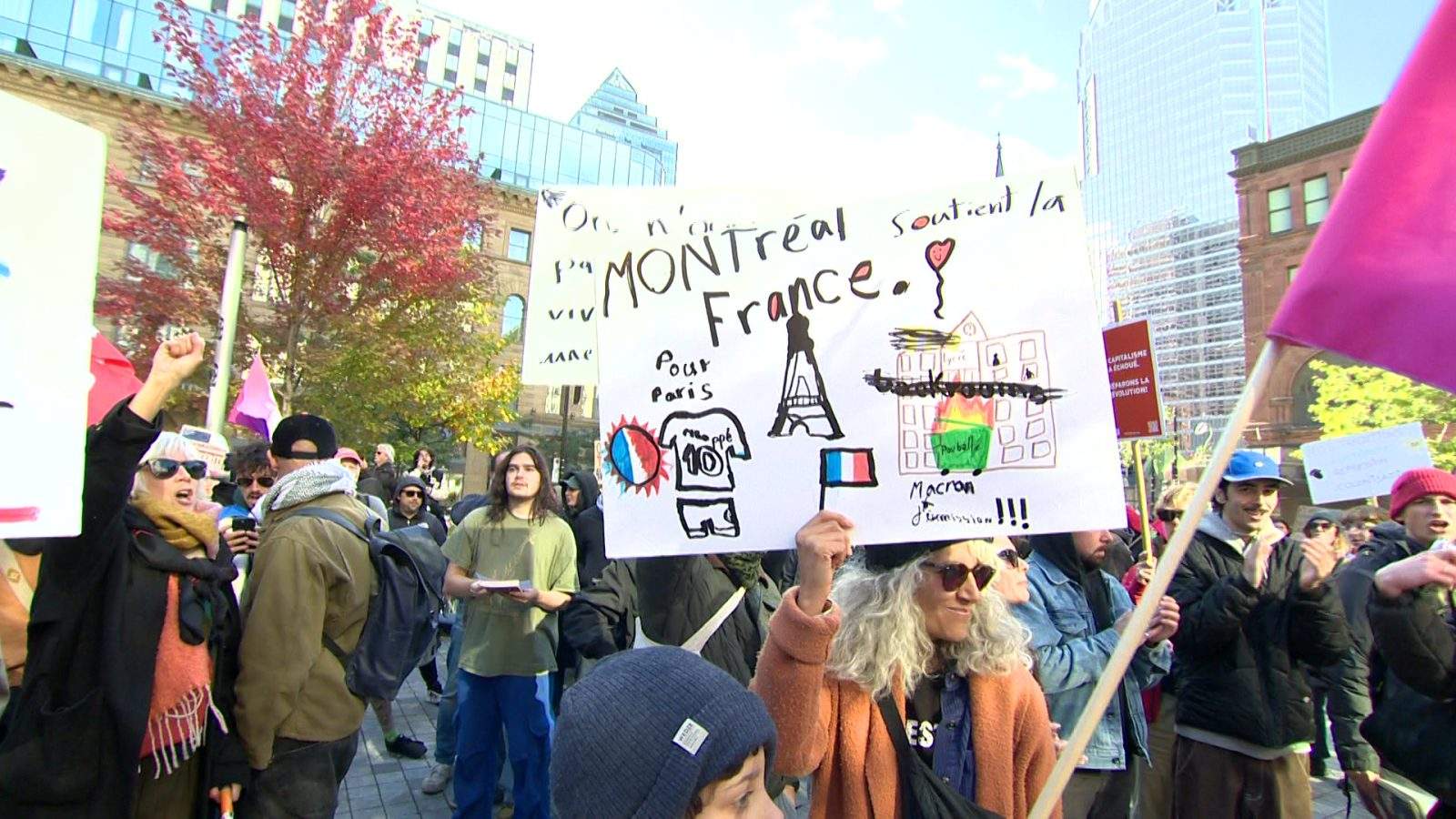
Waves of cost of living protests have swept across Belgium, Italy, Portugal and France, driven by years of accumulated price increases, stagnant real wages, unaffordable housing and tight national budgets. What looks on television like a sudden seasonal flare-up is actually a structural collision between indebted governments and households that have run out of financial buffer.
Standard wire reports treat these demonstrations as a single weather front moving across Western Europe. That framing misses how differently each capital is breaking down. A shopkeeper boarding up a window in Paris, a university student camped out in Lisbon, a factory worker facing a budget standoff in Brussels and a retiree watching public services thin out in Rome are all reacting to high prices, yet each country faces a distinct political trap.
The Myth of a Single Cost Shock
Inflation headlines often make rising prices sound like an external storm that arrived once and passed. Households do not experience price levels in isolation from what came before. When food, utilities and rents climb year after year and paychecks lag behind, even modest new price pressures hit families that have already burned through savings or cut discretionary spending to the bone.
There is also a counter-argument that critics of the protests raise frequently: Europe's central bankers and finance ministries spent years fighting inflation and trying to stabilize public debt after multiple economic shocks. From a fiscal standpoint, governments argue they cannot simply print money or borrow endlessly without triggering bond-market punishment or higher borrowing costs later.
Both sides hold real constraints, which is why the standoff feels so combustible. Finance ministries see spreadsheets and debt ceilings. Working families see grocery receipts, eviction notices and strained public clinics. When policy debates are reduced to abstract fiscal discipline while daily life feels like a slow squeeze, street anger stops being a fringe reaction and becomes a predictable pressure valve.
Four Capitals, Four Distinct Fault Lines
Calling every march a cost of living protest blurs the local mechanics that turn frustration into clashes or mass rallies. Each of the four countries has its own pressure points.
France and the Budget Clash
In France, anger over purchasing power has collided head-on with disputes over national budget choices, taxes and public spending. Demonstrations in October drew massive crowds and spilled into serious disorder in several cities, including clashes in Paris, property damage and fires, alongside heavy arrests and injuries among security forces. Business leaders warned that precautionary closures and disrupted foot traffic hit retail hard, while trade unions lined up strikes and marches over wages, public services and proposed budget plans.
French politics has long struggled with a specific contradiction. Citizens expect strong state protection and public services, yet every serious attempt to close fiscal gaps or reshape spending runs into immediate street resistance. When unions, protest organizers and violent fringe actors converge on the same calendar, governments face a double crisis: keeping order in the streets without losing legitimacy at the negotiating table.
Portugal and the Housing Squeeze
Portugal's protests highlight how housing costs can turn an entire generation against the economic model. For years, Lisbon and other urban centers have seen rents and purchase prices surge far faster than local wages. Strong tourism, short-term rentals, foreign buyers, investment funds and slow construction have all added pressure to a tight housing stock.
When a parliamentary move to speed up eviction procedures landed on top of years of steep rents, demonstrations gained fresh momentum. Students, long-term residents and low-income workers are not just complaining about expensive dinners out; they are asking a basic survival question about where they can live while working full time. That is a much harder grievance to soothe with temporary subsidies.
Belgium and Red Lines on Spending
Belgium's unrest sits right at the intersection of wage pressures and budget negotiations. Demonstrations in cities such as Brussels and Liège have seen clashes and arrests, following union-led marches against government budget cuts. In Belgium, labor unions wield substantial organizational muscle, and fights over budgets, social protections and public sector strain quickly escalate into warnings of broader strikes.
Unlike countries where protests are mostly diffuse or youth-led, organized labor in Belgium treats fiscal packages as direct tests of worker protection. Once union leaders declare that budget plans cross their red lines, negotiations turn into a high-stakes game of brinkmanship.
Italy and Fragile Public Foundations
In Italy, cost of living grievances are tightly woven into anxieties over precarious work, wages, pensions and public healthcare. Unrest in major cities—including clashes and police checks in Milan alongside broader demonstrations and business disruptions—underscores how raw economic strain can ignite quickly when young people and workers feel locked out of stability.
Italy's labor market has long featured a sharp divide between protected insiders and workers on more precarious terms, while public services face chronic demographic and fiscal headwinds. When everyday expenses stay elevated, any perception that healthcare, pensions or jobs are slipping triggers rapid mobilization across both street activists and major union confederations.
Why Policymakers Keep Misreading the Mood
Too many official responses treat cost of living protests as a messaging problem. Ministers blame agitators, highlight targeted relief checks or point to macroeconomic indicators improving on paper. None of those moves address the core math inside a household budget.
A family does not balance its life on year-over-year inflation percentages; it balances its life on rent, groceries, transit, power bills and what is left over at the end of the month.
Consider a hypothetical example of a two-earner household in a major European city. Suppose both adults earn modest wages that rose slowly over the past few years, while rent, electricity and groceries climbed much faster. Even if inflation cools slightly from its peak, the higher price plateau stays locked in. A one-off government rebate might cover a month of utility bills, but it does nothing to fix a structural gap between monthly income and fixed living expenses.
There is also a generational split running beneath these demonstrations. Younger Europeans often bear the brunt of high housing costs and less secure entry-level work, yet feel the least represented in traditional political bargains. Older residents, meanwhile, worry about pensions, healthcare and savings losing real value. Governments trying to please both groups under tight fiscal rules end up disappointing both.
| Pressure Point | What Drivers Fuel It | Why Quick Fixes Fall Short |
|---|---|---|
| Housing & Rents | Limited supply, tourism and investment demand, rising costs | Building homes takes years; cash handouts get absorbed by high rents |
| Wages & Purchasing Power | Past inflation waves outpacing pay growth | One-time bonuses fade while everyday prices stay elevated |
| Public Services | Budget constraints, aging populations, service strain | Spending cuts trigger immediate union and public pushback |
| Retail & Local Business | Closures, property damage, weaker consumer spending | Heavy policing restores order briefly but does not restore shopper confidence |
What Real Solutions Would Require
Fixing the root causes of cost of living protests in Belgium, Italy, Portugal and France requires uncomfortable trade-offs that short-term political cycles tend to avoid.
- Attack housing bottlenecks directly: Rent caps alone can freeze supply if construction stays sluggish, while unregulated short-term rentals and speculative buying keep local residents priced out. Serious reform means speeding up permitting, expanding affordable and social housing stock, and pairing tenant protections with clear rules on land and property use.
- Align wage growth with productivity and living costs: Encouraging fairer wage bargaining and reducing unnecessary tax wedges on lower and middle incomes helps restore real purchasing power without relying solely on state handouts.
- Protect core public services during fiscal adjustments: Across Europe, citizens tolerate belt-tightening far better when they see fairness in who bears the cost and when essential clinics, schools and transit are protected.
- Separate peaceful protest from street violence: Policing must hold the line against arson, looting and attacks on officers or shops, while governments keep real channels open for legitimate grievances over wages, housing and budgets.
None of these steps are painless, and none will calm every street overnight. As long as housing remains out of reach, paychecks stretch thinner and budgets collide with public expectations, the real risk for governments in Brussels, Rome, Lisbon and Paris is not a single noisy weekend—it is a permanent state of social friction.