Stand at a crossroads in New Delhi or Geneva during a heated march and listen to the air itself. Metal barricades groan against tired shoulders. Voices rise in overlapping waves—chanting slogans, demanding attention, pleading to be seen by people sitting in climate-controlled rooms thousands of miles away. Sweat cools on the back of a protester’s neck while a diplomat adjusts a silk tie before walking past a bank of microphones.
Two worlds collide in those moments. One smells of diesel, dust, and urgency. The other smells of starched linen, polished mahogany, and carefully calibrated sentences.
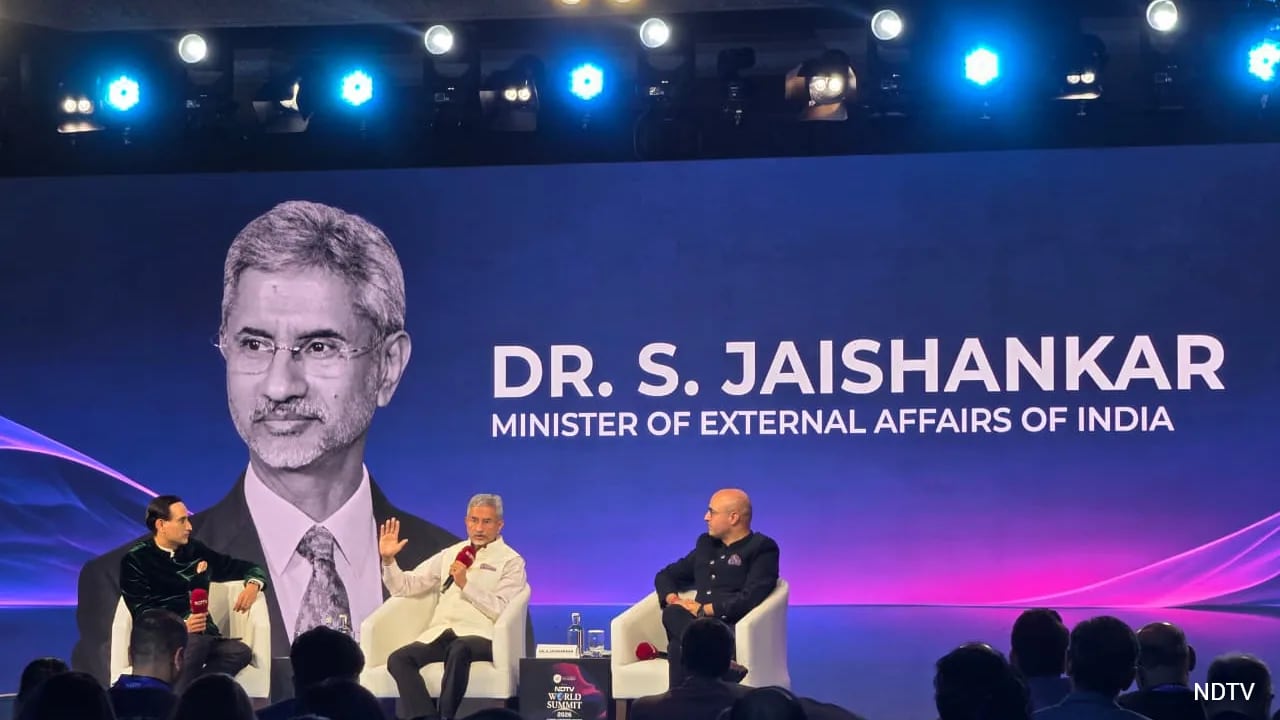
When Indian External Affairs Minister S. Jaishankar addressed criticism regarding protests in India and pushed back against what he called "double standards" at the United Nations, the clash was not merely about diplomatic protocol or press briefings. It touched a nerve that anyone who has ever watched global institutions react selectively to unrest immediately recognizes. Why does a crowd in one capital inspire urgent resolutions and breathless commentary, while a crowd of similar scale or passion in another capital is met with shrugs, caveats, or silence?
The answer feels obvious to Jaishankar—and to millions of citizens across the Global South who have watched international watchdogs apply a shifting ruler depending on who is holding it.
The Weight of Unspoken Rules
Diplomacy has a language of its own. Words are weighed like gold dust before they leave a podium. Yet beneath the polite phrasing of international commentary lies a stark reality: attention is finite, and outrage is rarely distributed evenly.
Consider a hypothetical character—let’s call her Meera, a schoolteacher from a mid-sized town who travels to a major city with neighbors to voice frustration over economic pressures and local governance. (This character is hypothetical, created to ground an everyday civic experience in human detail.) Meera does not wake up thinking about the United Nations Charter or multilateral diplomacy. She thinks about school fees, bus fares, and whether the people in charge are listening. When outside commentators weigh in from afar, reducing complex domestic politics to neat headlines, Meera feels a quiet alienation. Outsiders speak with certainty about streets they have never walked.
That gap—between lived complexity on the ground and distant commentary from above—is where resentment grows.
Jaishankar’s critique cuts right through that distance. His point is straightforward: if international bodies and influential voices claim universal principles on protest, expression, and governance, those principles cannot switch on and off at convenience. Consistency is the price of credibility.
To use a metaphor, global commentary often behaves like a camera lens with a stubborn focus ring. It zooms in sharply on certain frames while leaving adjacent scenes blurry or out of shot entirely. When the lens shifts selectively, people start asking who is turning the dial.
What Happens Inside the Room
International forums were built after devastation to prevent worse devastation. That history matters. Anyone who studies twentieth-century diplomacy understands how fragile peace can be and why institutions value restraint.
Still, restraint looks very different depending on which side of the table you sit.
I have sat in rooms where policy debates sounded clinical, almost detached from the heat of the street outside. Paper rustles. Speakers choose safe adjectives. A crisis in one region becomes a moral imperative; unrest in another becomes a "sensitive internal matter" or a passing headline. Over years of watching those patterns repeat, a pattern emerges that is hard to unsee: selective moral urgency erodes trust faster than open disagreement ever could.
Admittedly, untangling domestic politics from global scrutiny is messy. Governments often push back when criticized, and critics often argue they are simply holding states to high standards. None of this is simple, and pretending the picture is black-and-white would be dishonest. Even seasoned observers sometimes struggle to separate genuine concern for civic rights from geopolitical point-scoring.
Yet that confusion is precisely why double standards sting so deeply. When rules feel elastic, faith in the rule-maker cracks.
A Tale of Two Headlines
Imagine two parallel scenes unfolding on the same afternoon. (Again, this is a hypothetical illustration meant to clarify how perception shapes reaction.)
In Scene One, demonstrators block a major thoroughfare in a prominent capital, chanting against policy shifts. Within hours, international commentators frame the moment as a defining test of democratic vitality, complete with urgent panels and moral framing.
In Scene Two, a massive gathering takes place elsewhere—perhaps in South Asia—sparked by fierce debates over laws, livelihoods, or identity. Coverage arrives filtered through suspicion, pre-packaged assumptions, or selective omission. When officials in New Delhi call out the mismatch, the response is often defensive dismissal rather than honest self-examination.
Ordinary citizens watching both scenes do not need a graduate seminar in international relations to spot the discrepancy. They see it immediately. They feel it in their gut.
Double standards do not just frustrate diplomats like Jaishankar. They alienate everyday people who want to believe that fairness means the same thing everywhere.
Why Credibility Is Earned on the Ground
There is an old human truth at work here: people forgive hard truths far more easily than hypocrisy.
If an institution or a foreign critic speaks with humility, acknowledges context, and applies the same yardstick across borders, people listen—even when they disagree. When the yardstick changes mid-measure, the argument loses moral force before it even begins.
Jaishankar’s bluntness resonates precisely because it names what many feel but hesitate to say in diplomatic circles. Saying "the answer is obvious" is more than a rhetorical jab; it is a refusal to play along with pretense.
Consider what happens next when a nation’s leadership calls out perceived bias openly. Tensions rise in diplomatic exchanges. Headlines sharpen. Allies and critics alike recalculate how such remarks fit into broader strategic rivalries. Behind closed doors, envoys parse every syllable, wondering whether the pushback signals a harder posture on international criticism or a broader assertion of strategic autonomy.
None of that happens in a vacuum. Every speech at a summit or press conference echoes into domestic conversations, shaping how citizens view both their own government and the wider world.
The Invisible Stakes Behind Every March
Protests themselves are rarely tidy. They carry energy, frustration, hope, and risk all at once. A shopkeeper shutters early, worried about disruptions. A young student marches with cardboard signs, convinced that showing up is the only way to be counted. A police officer stands for ten hours under a harsh sun, trying to keep order without letting tension snap.
None of those people are abstract statistics. Each one carries a story that rarely survives intact inside a brief international statement.
When outside voices treat complex societies as chessboards rather than homes filled with real families, they miss the human texture of the moment. And when those same voices apply unequal scrutiny, they hand critics an easy, undeniable target.
Jaishankar’s remarks highlight a turning point in how emerging powers talk back. The era when major nations quietly absorbed one-sided commentary without pushing back publicly is fading fast. Leaders in New Delhi increasingly insist on reciprocity, context, and plain speaking—even when plain speaking ruffles feathers in traditional power centers.
Listening Without Blinkers
Can global institutions and national governments find common ground without losing honesty?
Yes.
It starts with a simple discipline: look at the whole room, not just the corner that fits a convenient narrative. Acknowledge real grievances where they exist, reject double standards wherever they appear, and resist the temptation to turn human struggles into talking points.
Truth is stubborn. It survives spin, survives diplomatic polish, and eventually forces every side to confront what it actually stands for.
Evening settles over the avenue. Barricades are rolled back, empty water bottles crunch under boots, and a lone streetlamp flickers on above quiet pavement—leaving behind a question that refuses to fade: who gets to judge the street when nobody is willing to stand in it?