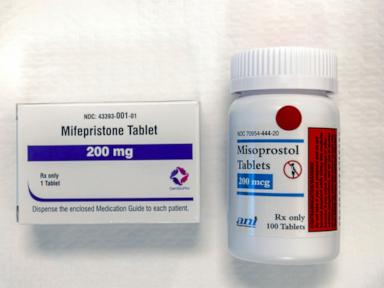
The nationwide injunction blocking the distribution of mifepristone by mail represents a fundamental reconfiguration of the pharmaceutical supply chain, transitioning a decentralized distribution model back into a localized, high-friction clinical system. This shift does not merely alter the point of sale; it creates a structural bottleneck in the delivery of reproductive healthcare by decoupling the drug’s pharmacological availability from its logistical accessibility. The friction introduced by this mandate operates across three primary vectors: regulatory compliance overhead, geographic accessibility gaps, and the operational strain on physical clinic infrastructure.
The Regulatory Framework of Chemical Abortions
To analyze the impact of the court’s order, one must first define the operational constraints of the Risk Evaluation and Mitigation Strategy (REMS). Historically, the FDA’s REMS for mifepristone functioned as a gatekeeping mechanism, ensuring that the drug was dispensed only by certified healthcare providers. The 2021 relaxation of these rules allowed for mail-order distribution, which shifted the burden of logistics from the provider to the postal infrastructure.
The reversal of this policy reinstates the "In-Person Requirement" as a critical operational hurdle. This requirement functions as a mandatory physical touchpoint, which increases the total time-to-treatment. In clinical logistics, time-to-treatment is a decisive variable; because mifepristone is typically indicated for use only within the first 70 days of gestation, every day of logistical delay increases the probability of clinical failure or the necessity of more invasive surgical interventions.
The Three Pillars of Distribution Friction
The removal of the mail-order option introduces specific inefficiencies that can be categorized into distinct operational pillars.
1. The Geographic Accessibility Gap
When mail-order distribution is eliminated, the availability of the medication becomes tethered to the density of certified brick-and-mortar facilities. This creates "healthcare deserts," where the cost of acquisition—measured in travel time, fuel, and lost wages—outweighs the cost of the medication itself. For a patient in a rural jurisdiction, the round-trip distance to a certified clinic may exceed 200 miles. This distance functions as a regressive tax on low-income populations, effectively narrowing the funnel of eligible patients through economic attrition rather than medical contraindication.
2. Clinical Infrastructure Saturation
Physical clinics operate with fixed capacities: a specific number of exam rooms, clinicians, and administrative staff. The sudden influx of patients who previously utilized remote telehealth services creates a "Denial of Service" (DoS) effect on physical infrastructure.
- Throughput Constraints: Clinics must now allocate room time for what was previously a digital consultation.
- Labor Elasticity: There is a finite supply of certified providers. Increasing the volume of in-person visits without a corresponding increase in staff leads to longer wait times.
- Inventory Risks: Unlike mail-order pharmacies that benefit from centralized, high-volume inventory management, individual clinics must manage localized stock levels, increasing the risk of stockouts or expiration waste.
3. Legal and Compliance Liability
The court’s order introduces a layer of "compliance anxiety" for distributors and healthcare systems. When a nationwide mandate conflicts with state-level protections or established FDA protocols, the resulting legal ambiguity acts as a deterrent to market participation. Wholesale distributors may choose to delist the product entirely to avoid the risk of contempt of court or conflicting litigation, leading to a secondary "Shadow Shortage" where the drug is legally manufactured but logistically frozen.
The Cost Function of Reverting to In-Person Care
The economic impact of this judicial shift can be modeled by examining the Total Cost of Access ($TCA$). In a mail-order environment, the $TCA$ is primarily the cost of the drug ($D$) and the telehealth consultation ($C$).
$$TCA_{mail} = D + C$$
Under the nationwide block, the formula expands to include variables for travel ($T$), childcare or lost wages ($W$), and the increased cost of physical clinic overhead ($O$):
$$TCA_{in-person} = D + C + T + W + O$$
The delta between these two values represents the "Access Barrier." When $TCA_{in-person}$ exceeds a patient's discretionary income or time availability, the medication becomes functionally unavailable, regardless of its legal status. This demonstrates that the court's order is not merely a change in delivery method, but a change in the economic viability of the medical procedure.
Mechanical Failures in the Telehealth Pipeline
Telehealth providers previously optimized the abortion pill protocol into a high-efficiency digital workflow. By removing the mail-order component, the court has effectively severed the "last mile" of the delivery chain. This creates a fragmented workflow where:
- A patient completes a digital screening.
- The provider confirms eligibility.
- The workflow breaks because the physical hand-off cannot occur via the existing digital infrastructure.
This fragmentation forces providers to either build out expensive physical networks—an impossible task in the short term—or cease operations in specific jurisdictions. This leads to a consolidation of the market into a few high-capacity urban centers, further straining those specific nodes.
The Hypothesis of Cross-Border Spillover
A nationwide order creates a unique pressure on states where abortion remains legal and accessible. Because the order impacts the distribution mechanism (the mail) rather than the legality of the drug, it forces a migration of patients from restrictive jurisdictions to permissive ones. However, since the mail-order ban applies nationwide, even patients in "protected" states must now travel to physical clinics.
This creates a localized surge in demand within permissive states. If a clinic in Illinois previously served 100 in-person patients and 100 via mail, it must now find the capacity to see 200 patients in person. This 100% increase in physical demand, without a corresponding increase in physical footprint, leads to a degradation in the quality of care and an increase in the time-to-treatment for all patients, regardless of their state of origin.
Operational Limitations and Systemic Risks
The primary limitation of any strategy designed to circumvent these blocks is the reliance on the existing postal and courier infrastructure. Even if providers attempt to use private couriers, these entities are often subject to the same regulatory pressures as the USPS. Furthermore, the reliance on "Advanced Provision"—prescribing the medication before a patient is pregnant—carries its own set of clinical and legal risks, including potential misuse or the expiration of the medication before it is needed.
The systemic risk is the potential for a "chilling effect" on pharmaceutical innovation. If a court can unilaterally revoke the distribution methods of an FDA-approved drug decades after its initial approval, the predictability required for long-term R&D investment vanishes. Pharmaceutical companies must now price in the risk of "Judicial De-listing," which may lead to higher costs across all medication categories, not just reproductive health.
Strategic Realignment for Healthcare Providers
To maintain operational viability under these constraints, healthcare organizations must pivot from a "Centralized Distribution" mindset to a "Mobile Hub" or "Franchised Clinic" model.
- Micro-Clinics: Deploying small-footprint, specialized units that focus exclusively on dispensing and counseling can mitigate the overhead of full-scale medical centers.
- Asynchronous-Synchronous Hybrids: Patients should complete all administrative and preliminary screenings via asynchronous digital platforms to minimize the "Room Time" required during the mandatory physical visit.
- Inter-State Logistics Coordination: Providers in permissive states must establish formal referral networks with patient-support organizations to manage the logistics of patient travel, effectively treating the "travel" component as a clinical variable that needs to be managed and optimized.
The current judicial landscape demands a shift from clinical excellence to logistical mastery. Organizations that fail to treat the supply chain as a primary clinical concern will find themselves unable to meet the demand, regardless of their medical expertise. The immediate requirement is the rapid expansion of physical "Point of Access" nodes to replace the lost capacity of the mail-order system.