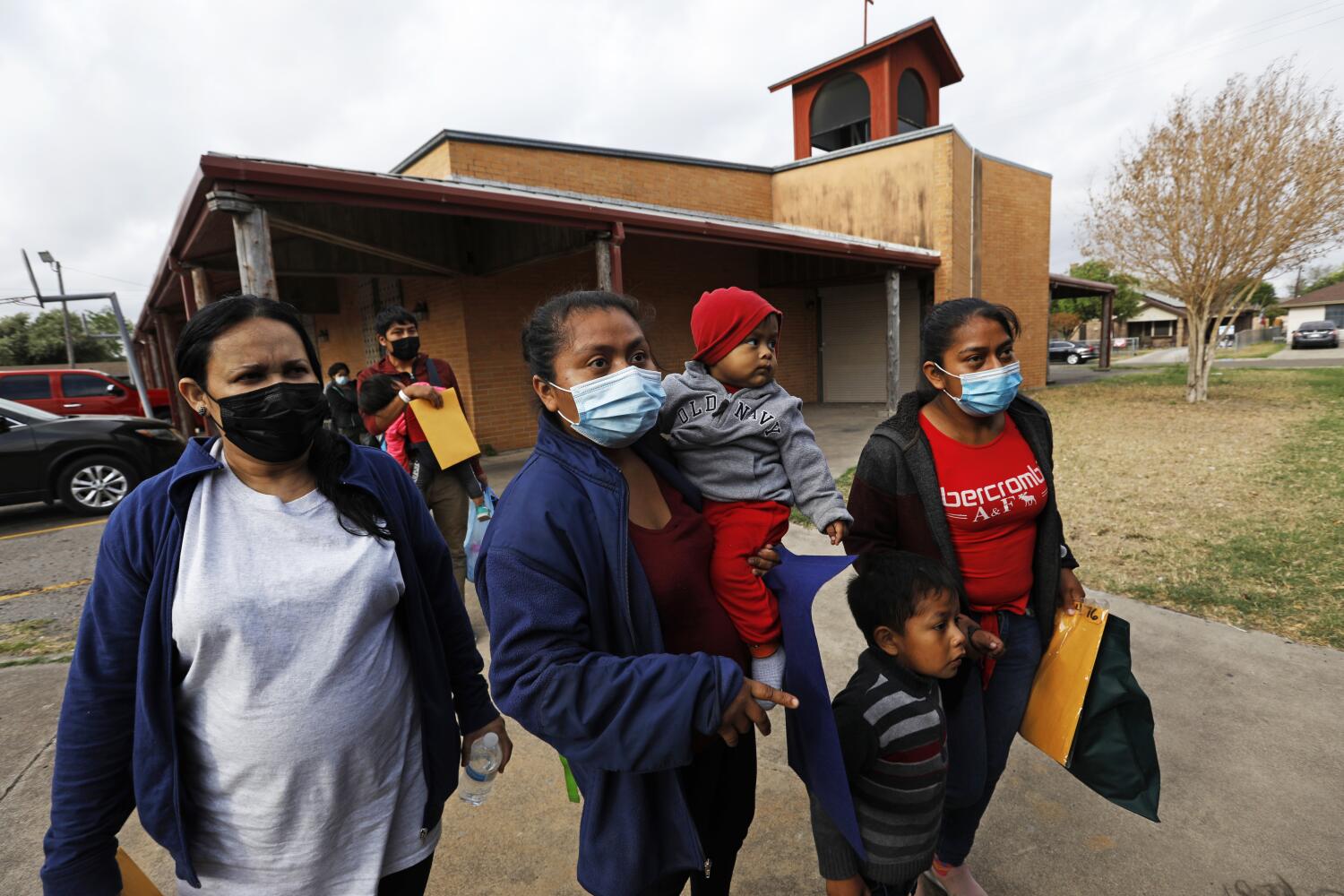
The Supreme Court is currently dissecting the very definition of what it means to seek safety in America. It's not just a legal debate over paperwork. It’s a fundamental clash between a president’s power to manage a border and an individual’s right to ask for protection from persecution. If you've been following the news, you know the southern border is a political lightning rod, but the technicalities inside the courtroom will actually dictate how thousands of lives play out over the next decade.
Right now, the justices are weighing whether the executive branch can severely limit asylum eligibility for those who cross between official ports of entry. It's a high-stakes game. The administration argues they need these tools to prevent chaos. Human rights groups argue these rules violate the Immigration and Nationality Act. Both sides think they’re saving the system. Only one can be right.
The Legal Tug of War Over Section 208
At the heart of this mess is a specific piece of law known as Section 208. It says that any noncitizen who arrives in the U.S., "whether or not at a designated port of arrival," may apply for asylum. That’s pretty clear language. Yet, recent policies have tried to add "but" or "except" to that sentence. The government wants to funnel everyone through an app or a pre-scheduled appointment.
When you look at the transcripts from oral arguments, the skepticism from the bench isn't uniform. You have some justices who are deeply concerned about "administrative surge." They worry that if the court strips the government of the power to set these boundaries, the border becomes unmanageable. On the other hand, you have justices who look at the plain text of the law and wonder how a federal agency can just ignore what Congress wrote.
I've seen this play out in lower courts for years. The Ninth Circuit usually strikes these restrictions down. Then the Supreme Court steps in, often staying those rulings while they deliberate. This "ping-pong" litigation creates a nightmare for Border Patrol agents and migrants alike. Nobody knows what the rules are from one Tuesday to the next.
Why the Port of Entry Requirement is a Flashpoint
The government's current strategy relies heavily on the idea that people should wait their turn at official crossings. Sounds logical, right? In practice, those ports are backed up for months. If you’re fleeing someone who wants to kill you today, waiting four months for a glitchy app to give you a timeslot feels like a death sentence.
Critics of the administration’s "Circumvention of Lawful Pathways" rule say it’s basically a rehash of older policies that the courts already killed. They call it a "rebuttable presumption" of ineligibility. Basically, if you didn't apply for protection in a country you passed through (like Mexico or Guatemala) and you didn't use the app, the law assumes you don't qualify for asylum.
That’s a massive shift in how the U.S. has handled refugees since the post-WWII era. We used to focus on the merit of the fear, not the method of the entry. By shifting the focus to the method, we're essentially saying that a person's life is less valuable because they climbed a fence instead of standing in a line that wasn't moving.
The Reality of the CBP One App
You can't talk about this Supreme Court case without talking about the tech. The CBP One app is the digital gatekeeper. It’s supposed to be the "lawful pathway," but it’s riddled with issues. Users report facial recognition errors, constant crashes, and a lack of available appointments in high-risk areas.
- High demand means slots vanish in seconds.
- Families are often split because the app can't handle large groups.
- Limited language options exclude many Indigenous speakers from Central America.
If the Supreme Court decides that the government can force everyone to use this app, they are effectively turning a smartphone into a requirement for human rights. That’s a bold move for a court that usually prides itself on following the letter of 20th-century laws.
How the Conservative Majority is Splitting
It’s a mistake to think all the conservative justices view this the same way. We often see a divide between the "textualists" and the "pragmatists." A strict textualist might look at the law and say, "The law says anyone can apply regardless of where they cross, so the government loses." A pragmatist might say, "The border is a crisis, and we have to give the President the power to fix it."
Justice Kavanaugh and Chief Justice Roberts often lean toward the pragmatist side in immigration cases. They want the executive branch to have the flexibility to respond to shifting global migrations. Meanwhile, Justice Gorsuch has shown a surprising streak of holding the government to the literal word of the statute, even when it’s inconvenient for the administration.
This isn't just about "liberal vs. conservative." It’s about how much power we want the White House to have over individual liberties. If the President can rewrite asylum rules on a whim, what else can they rewrite?
Misconceptions About the Right to Seek Asylum
Most people think "applying for asylum" means "getting to stay." That’s not true. Applying is just the first step in a years-long legal battle. The current case isn't about whether these people get asylum—it’s about whether they even get to ask.
- Fact Check: Crossing between ports is a misdemeanor, but it does not legally bar you from seeking asylum under international and domestic law.
- The "Safe Third Country" Myth: There is no international law that says you must stop in the first safe country you hit, though the U.S. has tried to implement domestic versions of this rule.
- The Burden of Proof: Even if the court allows the interview to happen, the migrant still has to prove a "well-founded fear" of persecution based on race, religion, nationality, membership in a particular social group, or political opinion.
The success rate for asylum claims varies wildly depending on the country of origin and the specific court. In some districts, the denial rate is over 80%. This isn't an "open door" policy; it's a gauntlet.
What Happens if the Court Sides with the Government
If the Supreme Court gives the green light to these restrictions, we’ll see a permanent shift in border management. The "right to seek asylum" will become the "privilege to seek asylum at a designated time."
This will likely lead to even larger camps on the Mexican side of the border. When people can't cross and can't get an appointment, they wait. Those camps are magnets for cartels and kidnappers. We’ve already seen a spike in extortions targeting migrants waiting for their CBP One appointments. By trying to create order, the government might be creating a different kind of chaos.
It also sets a precedent for future administrations. If a "moderate" administration can restrict asylum this way, a more hardline administration could use the same legal logic to shut the door entirely. The "shining city on a hill" starts to look a lot more like a gated community with a broken intercom.
Tracking the Impact on the Ground
While the lawyers argue in D.C., the situation in places like Eagle Pass or El Paso remains tense. Local NGOs are stretched thin. They’re the ones dealing with the fallout of these policies. When the rules change, these groups have to pivot overnight.
I spoke with a legal advocate last month who described the confusion as "total." People show up at the border thinking they followed the rules, only to find out a new court injunction changed everything while they were on the bus through Mexico. This isn't a way to run a country. It’s a way to break a system.
The Supreme Court's decision will likely land in June. Until then, the border exists in a state of legal limbo. You should keep an eye on the "shadow docket" too—sometimes the court makes temporary rulings that stay in place for years, effectively becoming the law without a full hearing.
If you care about the future of American immigration, you need to watch how the justices handle the "discretion" argument. The government claims they have the discretion to manage the border; the law says they have the duty to hear asylum claims. Those two things are currently crashing into each other at high speed.
Get familiar with the American Immigration Council's data sets. They track the actual outcomes of these policies with more precision than the government's often-politicized press releases. If you want the truth about what’s happening, look at the numbers, not the campaign ads. Pay attention to the specific language the justices use regarding "extraordinary circumstances." That phrase will be the loophole that either saves or destroys the asylum system.