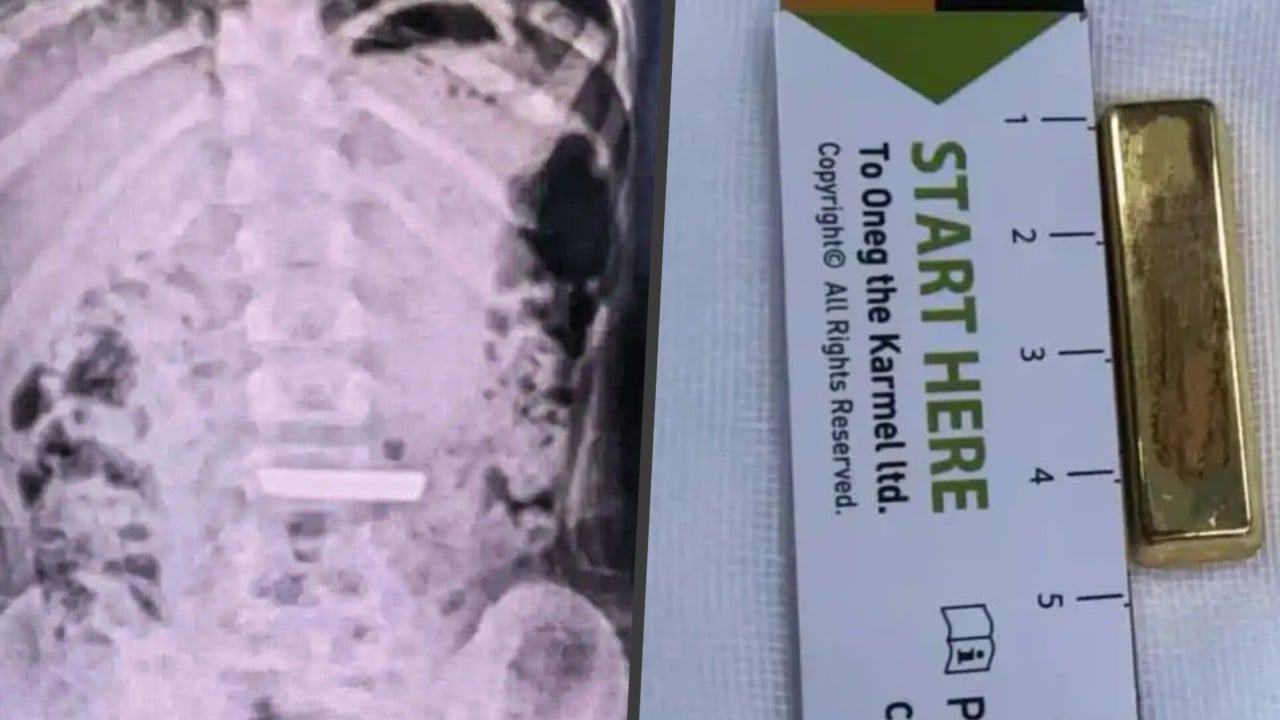
Every parent in the civilized world operates under a shared delusion. We childproof electrical outlets, slap soft foam bumpers on coffee table corners, and lock away chemical cleaners in subterranean vaults. Then, a five-year-old in China manages to ingest an actual gold bar, treating a precious metal reserve like a piece of chunky Halloween candy, and the media collectively loses its mind over the absurdity of the headline.
The lazy consensus screams that kids will swallow anything, that safety standards are impossible to maintain, and that bullion has no business being left on a bedroom nightstand.
That diagnosis misses the entire point.
The story is not about a bizarre medical anomaly or an eccentric collector leaving wealth within arm's reach of a toddler. It is a blazing indictment of how we misjudge household risk entirely. We obsess over plastic bag suffocation warnings while ignoring the dense, high-value physical hazards sitting right in front of us.
The Physics of Parental Blind Spots
Let us look at the mechanics of what actually happened. A child swallowed a gold bar. Not a coin, not a ring, but a minted bar.
When people hear about foreign body ingestion in pediatrics, they picture smooth marbles, small Lego bricks, or alkaline button batteries. Batteries are chemical time bombs. Coins are common annoyances that typically pass naturally through the digestive tract. But a gold bar introduces a completely different variable: extreme mass packed into a tiny geometric footprint.
Gold is exceptionally dense. A tiny bar packs enough weight to distort gastrointestinal physics compared to standard plastic toys. The panic surrounding the medical intervention is entirely justified, yet the public discourse focuses on the wrong villain. People blame the gold. People blame the child's curiosity.
Nobody blames the modern obsession with physical asset hoarding bleeding into domestic spaces.
For years, financial pundits have screamed from television screens that fiat currency is dead and that families need to hold hard assets. They tell average citizens to stash gold in their homes rather than trusting digital ledgers or traditional banking institutions. Well, this is what hard-asset accumulation looks like when it crashes head-first into domestic reality. You turn your living room into a poorly guarded central bank depository.
Domestic safety is not about eliminating every sharp edge. It is about recognizing that adults bring bizarre, high-risk industrial items into environments designed for creatures with zero impulse control.
Dismantling the Childproofing Industrial Complex
The multi-billion-dollar childproofing industry thrives on a simple fear-mongering formula. They sell you cabinet latches, toilet locks, and door pinch guards. They convince you that a toddler's primary mission in life is to pry open a drawer under the kitchen sink and drink bleach.
Statistics from pediatric emergency departments tell a much more mundane, brutal truth. The vast majority of severe childhood ingestions are not hidden hazards brought out by nefarious toddler stealth. They are everyday adult items left out in plain sight because adults suffer from cognitive fatigue.
When you treat your home like a fortress for precious metals, you create a dual-threat environment. You invite temptation while relying on flimsy behavioral habits to keep dangerous items secured.
If you own physical bullion, treats, medication, or heavy trinkets, treating them like casual decor is gross negligence. The child did not fail a safety test. The adult responsible for storing a dense, swallowable block of precious metal failed basic risk management.
The Real Cost of Financial Paranoia
Let us be completely transparent about the trade-offs here.
Advocating for domestic gold storage comes with a distinct downside that financial influencers refuse to mention. By moving wealth out of institutional vaults and into residential properties, you substitute cyber risk for physical hazard. You trade the threat of a hacked brokerage account for the very real possibility of a toddler swallowing your portfolio, or a home intruder turning your kitchen upside down.
There is a psychological comfort in holding tangible wealth. I have watched otherwise rational people spend thousands on home safes that offer less actual protection than a standard bank deposit box, all because they want to feel like a medieval lord sleeping on a chest of doubloons.
That paranoia has a body count, or in this specific case, an emergency room admission count.
The Uncomfortable Action Plan
Stop treating child safety as a checklist of plastic gadgets you buy off a retail website. Real safety requires structural changes to how you live with high-value, high-risk items.
If you insist on keeping physical gold or unique valuables in a home with small children, apply industrial security standards or get rid of them.
- Abolish Casual Storage: Valuables do not live on dressers, desks, or nightstands. If it does not belong in a toy box, it does not belong at floor level, period. A safe is only a safe if it is bolted directly into concrete studs and kept locked twenty-four hours a day.
- Re-evaluate Risk Priorities: Stop stressing over organic baby snacks while leaving heavy metals, dense jewelry, or loose change scattered across coffee tables. The things that can physically obstruct a windpipe or poison a system are rarely the obscure hazards; they are the shiny objects adults take for granted.
- Accept the Downside of Tangible Assets: If the mere presence of your investments requires a military-grade hazmat protocol just to keep your offspring alive, your asset allocation strategy needs a serious reality check.
The five-year-old who devoured a piece of a bullion reserve is fine, but the collective mindset that allowed a gold bar to become a choking hazard needs immediate surgery. Put the metal away, stop listening to financial preppers who treat residential homes like medieval keeps, and start securing your space for the actual humans living in it.