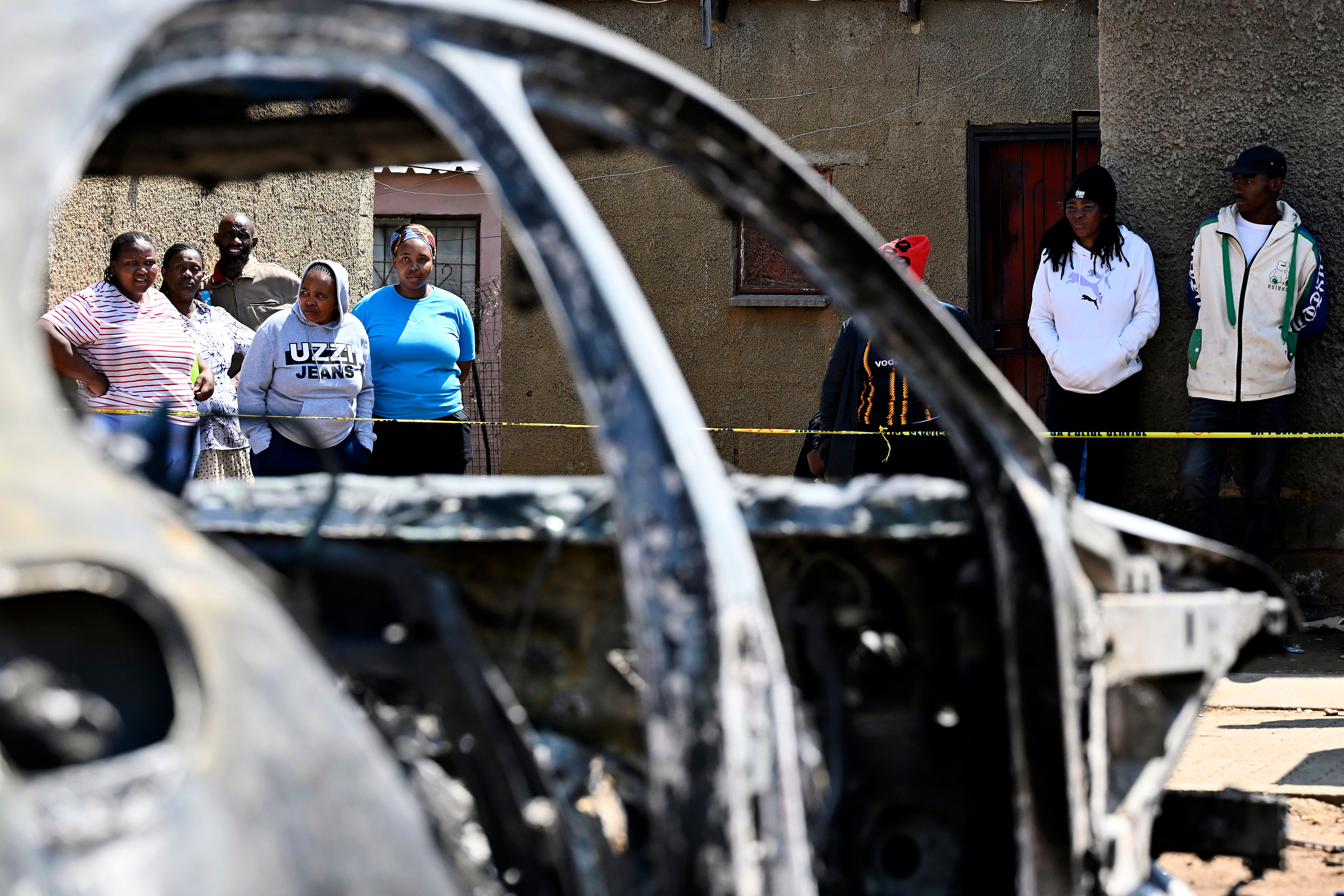
International group transit represents a concentrated operational risk profile where low-frequency, high-severity events expose systemic failures in transport logistics, vehicle safety enforcement, and route planning. The tragic incident involving a tour bus carrying travelers toward Germany's Oktoberfest—resulting in fatalities and multiple injuries—demands a rigorous structural deconstruction rather than a superficial recounting of the event. Examining such transit failures requires isolating the compounding variables that transform routine cross-border passenger movement into critical systemic failure.
The Core Risk Vectors of Cross-Border Bus Transit
Operating heavy passenger vehicles across regional and international borders introduces a distinct set of operational variables. Unlike domestic transit, which operates within stable regulatory and infrastructural familiarity, international tourist transit intersects with fluctuating road standards, driver fatigue thresholds governed by varying enforcement mechanisms, and compressed scheduling pressures common in commercial tourism.
The mechanical integrity of the transport asset serves as the primary barrier against catastrophic failure. In high-density tourism corridors, profit margins and tight turnaround times frequently incentivize fleet operators to compress maintenance cycles. When mechanical systems—particularly braking assemblies, steering linkages, or tire structural integrity—are subjected to sustained high-speed operations on multi-lane motorways, the margin for error narrows significantly.
Simultaneously, the human element introduces variable failure points. Long-distance tour operations frequently push against legal and physiological limits of continuous operation. Even when regulatory compliance regarding tachographs and mandatory rest periods is technically met, circadian rhythm disruptions and unfamiliarity with specific motorway interchanges degrade reaction times.
The Mechanics of Mass-Transit Incidents on Motorways
High-speed motorway environments amplify minor operational errors into major structural disasters due to kinetic energy equations. A heavy commercial coach traveling at velocity possesses massive momentum; when trajectory control is lost, the dissipation of that energy cannot be absorbed safely by standard highway barriers designed primarily for lighter passenger automobiles.
The sequence of failure typically follows a strict causal chain:
- An initiating trigger—such as driver distraction, micro-sleep, sudden mechanical failure, or evasive maneuvering around preceding traffic anomalies.
- Loss of directional stability, often exacerbated by high center-of-gravity dynamics inherent to double-decker or high-floor touring coaches.
- Secondary impact dynamics, including collisions with infrastructure barriers, rollover events, or multi-vehicle pileups.
- Egress and evacuation bottlenecks, where passenger panic, compromised emergency exits, and structural deformation of the cabin impede rapid clearance.
Passenger restraint systems represent a crucial variable in survivability metrics. While modern commercial coaches increasingly feature seatbelts, compliance rates among passengers on long-distance or tourist routes remain inconsistent. In a rollover scenario, unbelted occupants experience unconstrained displacement within the cabin compartment, converting human bodies into projectiles and dramatically increasing injury severity scales.
Regulatory Lags and Oversight Deficits
The oversight framework governing international motorcoach tourism exhibits structural fragmentation. While vehicle manufacturing standards are heavily regulated under regional frameworks such as European Union directives, operational enforcement—including roadside inspections, driver credential verification, and company safety audits—is decentralized across national and local jurisdictions.
This jurisdictional patchwork creates enforcement loopholes. A tour operator based in one nation may transit through multiple regulatory zones where inspection frequencies, enforcement rigor, and penalty structures vary wildly. Consequently, marginal operators can exploit these discrepancies, deferring critical safety investments and operational oversight.
Furthermore, the economic pressures of the tourism industry reward cost minimization. Consumers prioritizing low-ticket pricing inadvertently create market demand for operators who optimize for low overhead, often achieved by trimming safety redundancies, reducing fleet renewal rates, and cutting driver training budgets.
Mitigating Systemic Transit Exposure
Addressing the structural vulnerabilities exposed by cross-border tourism accidents requires a shift from reactive penalty enforcement to proactive operational resilience.
Fleet owners and transport authorities must transition toward predictive maintenance architectures, utilizing real-time telematics and automated sensor arrays to monitor critical mechanical systems continuously rather than relying on periodic manual inspections. Additionally, driver monitoring technologies—including optical fatigue tracking and automated lane-departure warning systems—must become mandatory baseline equipment rather than optional luxury configurations.
For the commercial tourism sector, procurement protocols must evolve. Corporate buyers and tour organizers must institute rigorous vendor vetting frameworks that evaluate safety records, mechanical audit histories, and driver shift management compliance, decoupling purchasing decisions from raw cost minimization.
Deploying advanced safety infrastructure along high-density tourist corridors—such as enhanced median barriers designed to redirect heavy vehicles, dynamic speed management systems, and standardized signage across international borders—remains essential for reducing the severity of inevitable human and mechanical errors.
Implement mandatory digital verification of passenger seatbelt compliance before motorcoach departure from initial staging areas to establish an immutable baseline of passenger safety readiness.