The Last Bastion in Africa
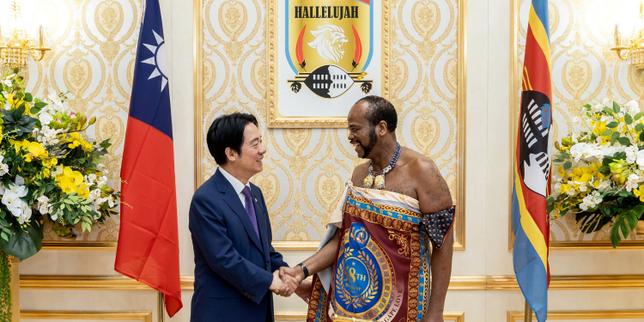
In September 2023, the diplomatic corps of Taiwan achieved what many foreign policy analysts considered a logistical and political miracle. President Tsai Ing-wen successfully traveled to the Kingdom of Eswatini to reaffirm a bilateral relationship that has weathered decades of intense pressure from Beijing. The visit was far more than a ceremonial gesture. It was a calculated display of resilience. Eswatini remains the final African state to maintain official diplomatic ties with Taipei.
For decades, the diplomatic contest over the recognition of Taiwan has played out in the developing world through the strategic use of foreign aid, infrastructure development, and medical assistance. Today, however, the calculus is changing. As Beijing aggressively expands its footprint through the Belt and Road Initiative, Taipei must rely on different mechanisms to maintain its footing. The relationship between Taiwan and Eswatini reveals a deeper story about how small, vulnerable states survive in the shadow of superpower competition.
Understanding this dynamic requires examining the economic, medical, and geopolitical threads that bind these two seemingly disparate nations together. Eswatini, an absolute monarchy in Southern Africa, relies heavily on Taiwanese investment and medical diplomacy. In return, Eswatini provides Taiwan with a voice in international forums such as the World Health Organization. It is a symbiotic relationship born out of mutual necessity rather than ideological alignment.
+-------------------------------------------------------------+
| TAIWAN-ESWATINI DIPLOMATIC MATRIX                           |
+-------------------------------------------------------------+
| Area of Cooperation | Taiwan Contribution   | Eswatini Role |
+---------------------+-----------------------+---------------+
| Healthcare          | Medical missions,     | Broadens      |
|                     | specialized training  | health        |
|                     | and infrastructure    | diplomacy     |
|                     | support.              | access.       |
+---------------------+-----------------------+---------------+
| Trade and Investment| Targeted agricultural | Advocates at  |
|                     | and solar energy      | international |
|                     | projects.             | organizations.|
+---------------------+-----------------------+---------------+
The Anatomy of the Alliance
To understand why this relationship persists, one must look past the geopolitical rhetoric and examine the tangible infrastructure on the ground. Eswatini, formerly known as Swaziland, faces immense economic challenges. Its population deals with high unemployment and significant public health hurdles. Taiwan’s strategy in the region relies heavily on the Taiwan Technical Mission.
For years, these missions have focused on agricultural modernization and maternal health. By deploying agricultural experts, Taiwan has helped Eswatini increase its maize and rice production, improving local food security. This approach creates tangible benefits for the local population. When a foreign power delivers tangible benefits, the relationship becomes harder for an opposition or an external power to sever.
Furthermore, Taiwan's medical diplomacy remains a cornerstone of its bilateral strategy. Medical teams from Taipei's teaching hospitals rotate through Eswatini, providing specialized care that is otherwise unavailable to many citizens. This provides a clear contrast to the large-scale, state-backed infrastructure projects favored by Beijing. While a massive road built by foreign capital may look impressive, the daily health and agricultural assistance builds grassroots loyalty.
The Financial Web of Recognition
The contest for diplomatic recognition is expensive. In the past, this was often described as dollar diplomacy, where nations switched recognition based on the highest financial bidder. Taiwan has largely shifted away from this approach. The country cannot compete with the massive capital reserves and state-backed lending institutions of the People's Republic of China.
Instead, the relationship focuses on targeted development assistance and private-sector investment. Taiwan has supported the construction of a strategic petroleum reserve and promoted solar energy initiatives in Eswatini. These investments are designed to be sustainable. They create jobs rather than just extracting resources or accumulating sovereign debt.
> "The relationship between Taiwan and Eswatini is not built on unlimited cash reserves, but on highly targeted, resilient development aid."
However, this approach comes with inherent vulnerabilities. Eswatini’s economy remains deeply dependent on South Africa, which maintains strong ties with Beijing. If Pretoria were to exert pressure on Eswatini to re-evaluate its diplomatic standing, Eswatini’s leadership would face difficult economic choices. Taipei must constantly balance the need to support its ally against the risk of overextending its resources in a distant continent.
The Geopolitical Chessboard
Why does Taiwan fight so hard to keep this single remaining African ally? The answer lies in international organizations. Taiwan is excluded from the United Nations and faces severe limitations on its participation in global health and aviation bodies due to pressure from Beijing.
Eswatini consistently uses its position at the United Nations General Assembly and the World Health Organization to speak on behalf of Taiwan’s inclusion. During the global health crisis of the early 2020s, Eswatini was one of the most vocal advocates for Taiwan's participation in global health monitoring networks.
Having a sovereign state willing to raise its voice in international forums provides Taiwan with legitimacy. It proves that its existence as an independent, democratic entity is recognized by at least some members of the international community.
- Eswatini offers critical speaking rights at the United Nations.
- The alliance provides a diplomatic listening post in Southern Africa.
- It challenges the narrative of total isolation pushed by Beijing.
The Strategy Going Forward
The survival of the Taiwan-Eswatini alliance depends on adaptation. As economic pressures mount and China's influence across Africa continues to grow, traditional forms of diplomacy may no longer suffice. Taipei is increasingly focusing on digital economy partnerships and vocational training programs.
By helping Eswatini build a tech-literate workforce, Taiwan is shifting its approach from basic infrastructure to human capital. This creates a lasting impact that is difficult for competing powers to replace. The partnership is no longer just about aid. It is about creating a shared future in an unpredictable world.
The visit of the Taiwanese president demonstrated that the alliance is still active, but the true test lies in the years ahead. The partnership must continue to deliver real, measurable improvements for the people of Eswatini while navigating the complex web of global diplomacy. The survival of this relationship depends on the ability to remain flexible, relevant, and indispensable.