The outrage machine is predictable, loud, and fundamentally wrong.
When Taiwan’s Premier Cho Jung-tai flew to Tokyo to support the national team during the Premier12 tournament, the keyboard warriors and opposition pundits didn't miss a beat. They called it a "swing and a miss." They labeled it a waste of taxpayer money. They suggested he should have stayed home to manage the budget or fix the power grid.
They are looking at the scoreboard while the rest of the world is playing a different game entirely.
The "lazy consensus" suggests that a high-ranking official attending a sporting event is a frivolous junket. This perspective assumes that statecraft only happens in windowless rooms behind mahogany desks. It’s an antiquated, parochial view of how modern power functions. In reality, Cho’s trip wasn't a distraction from his job; it was a masterclass in the only currency that actually matters for a nation in Taiwan's unique geopolitical position: Soft Power Legitimacy.
The High Cost of Staying Home
Let’s dismantle the "waste of money" argument first. Critics point to the price of a flight and a hotel room as if those numbers exist in a vacuum. I have seen governments dump hundreds of millions into "rebranding" campaigns and digital advertisements that nobody watches. They hire PR firms to "build bridges" and "engage stakeholders"—buzzwords for burning cash.
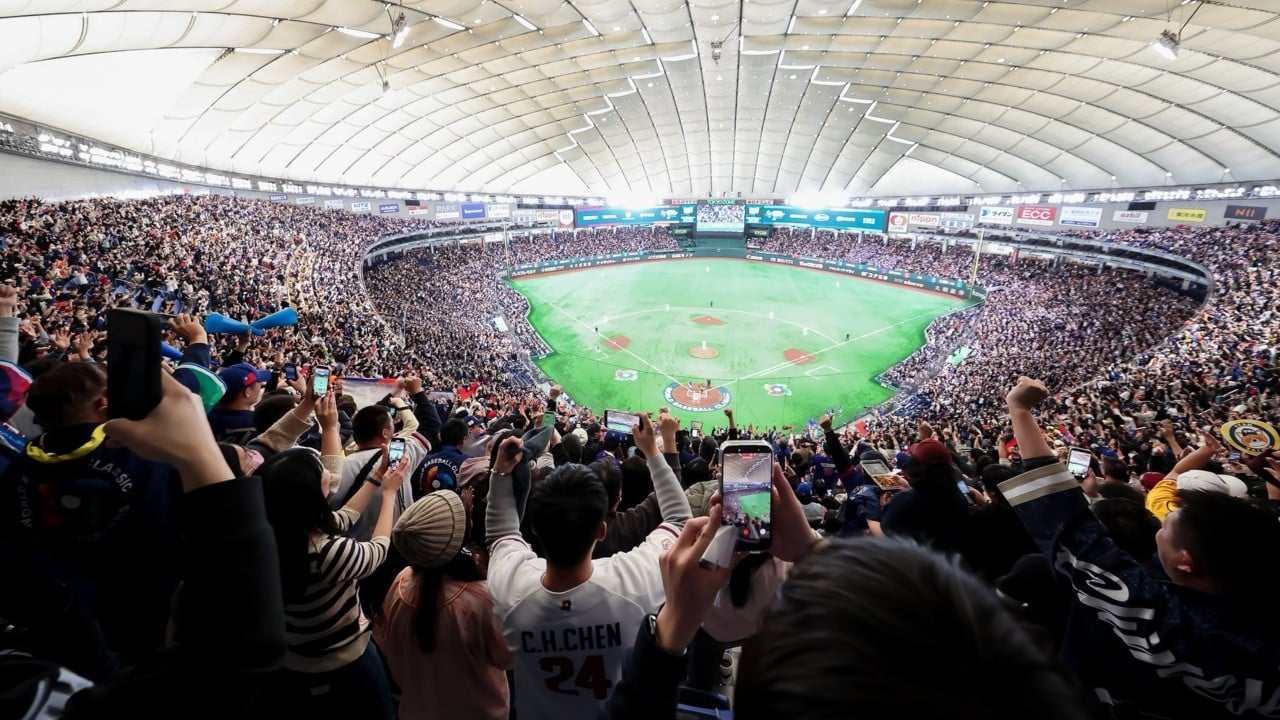
Yet, when a leader stands in a stadium in Tokyo, wearing the national colors while the eyes of the international sporting world are on the region, that is a direct, unmediated assertion of sovereignty.
In the world of international relations, presence is the ultimate signal. For Taiwan, which battles daily for recognition on the global stage, every minute of airtime where the Premier is treated as a head of state by host broadcasters is worth ten times his annual travel budget. To stay home is to concede the stage. To stay home is to admit that Taiwan is a minor player that cannot afford to be seen.
The Diplomacy of the Dugout
The opposition argues that Cho has "no expertise" in baseball. This is a classic category error. He isn't there to coach the bullpen; he is there to facilitate the kind of "sideline diplomacy" that traditional channels can no longer handle.
Japan and Taiwan are currently navigating a complex web of trade agreements and security cooperation. When Cho is in Tokyo, he isn't just watching a home run. He is in the VIP lounges. He is shaking hands with Japanese officials in a high-stakes, informal environment where the stiff protocols of a formal summit are stripped away.
History shows us that sports aren't just a metaphor for diplomacy—they are the vehicle for it. Look at the "Ping-Pong Diplomacy" of 1971. The US and China didn't start talking because of a brilliant white paper; they started talking because of a table tennis match.
By attacking the Premier for being at the stadium, critics are effectively saying they want Taiwan to stop practicing high-level networking. It’s the equivalent of a CEO being scolded for attending an industry gala because they "should be in the office answering emails." If your CEO is answering emails instead of closing deals at the gala, you should fire them.
The Productivity Fallacy
The most exhausting part of this critique is the "work from home" mentality applied to the Premiership. The idea that a Premier’s productivity is measured by the number of hours spent in the Executive Yuan is a relic of the industrial age.
We are talking about a role that is 90% symbolic and 10% administrative. The administrative work can be done from a laptop in a Tokyo hotel suite. The symbolic work—the work of boosting national morale and projecting a unified front—requires physical presence.
When the national team sees the head of their government in the stands, the psychological impact on the "national brand" is immeasurable. It tells the citizens that their triumphs are the nation's triumphs. It builds social capital.
What the Critics Get Wrong About "Public Optics"
- Misconception: People hate seeing politicians have "fun."
- Reality: People hate seeing politicians be inauthentic.
- The Nuance: If Cho had stayed home and tweeted a generic "Go Team!" message, he would have been roasted for being out of touch. By going, he took a risk. Risks are what leaders do.
Stop Asking if it’s a "Junket" and Start Asking About ROI
If we want to be "fiscally responsible," let’s look at the numbers. The Premier12 tournament draws millions of viewers across Asia and the Americas. The visibility provided to "Team Taiwan"—and by extension, the Taiwanese government—is a marketing goldmine.
Imagine a scenario where a private corporation could get their CEO featured on every major sports network in Japan for the cost of a business-class ticket and a few security guards. The board of directors would call it the greatest ROI in the history of the marketing department.
Instead of whining about the cost of the trip, we should be asking why we aren't sending more officials. Why isn't the Minister of Economic Affairs there? Why isn't the Minister of Culture hosting a "Taiwan Night" in Tokyo during the semi-finals?
We are playing small-ball when we should be swinging for the fences. The criticism leveled at Cho Jung-tai isn't about the budget. It’s about a lack of imagination. It’s about a political opposition that would rather see the Premier fail at a desk than see the nation succeed on a global stage.
The Brutal Truth of Global Recognition
Taiwan does not have the luxury of "normal" diplomacy. Because of the constant pressure to be sidelined in international forums, Taiwan must seize every non-traditional opportunity to assert its existence.
Sports is one of the few arenas where the "Taiwan" name—or at least the Taiwanese identity—is allowed to resonate without immediate vetoes from global superpowers. When the Premier attends these games, he is anchoring that identity in the physical world. He is saying, "We are here, we are participating, and we are led by a functional, legitimate government."
To call this a "miss" is to fundamentally misunderstand the geopolitical landscape of the 21st century.
Stop demanding that your leaders be grey bureaucrats who never leave their cubicles. Demand that they be visible. Demand that they be present where the world is watching.
If you’re worried about the price of a ticket to Tokyo, you’re missing the fact that the stadium is the only place where Taiwan is currently allowed to win.
Pack the bags. Buy the tickets. Send the whole cabinet next time.