Iranian President Masoud Pezeshkian arrives in New York for the United Nations General Assembly carrying a mandate that defies standard diplomatic choreography. While state media frames the journey around multilateral engagement, the underlying reality involves a administration attempting to navigate severe economic fracture at home alongside intensifying confrontation across the Middle East. Pezeshkian represents a reform-minded faction within the clerical establishment, yet he operates under the unyielding strategic ceiling dictated by the Islamic Revolutionary Guard Corps and Supreme Leader Ayatollah Ali Khamenei.
Diplomacy in Manhattan rarely functions as a venue for sudden breakthroughs. For Tehran, the General Assembly floor serves as a megaphone to counter international isolation, shape regional narratives, and test Washington's appetite for indirect channels. Observers tracking Iranian foreign policy recognize that presidential visits to the United Nations rarely alter fundamental state doctrines, but they frequently signal tactical shifts in how leadership chooses to present its posture to the West.
The Domestic Imperative Behind the Flight
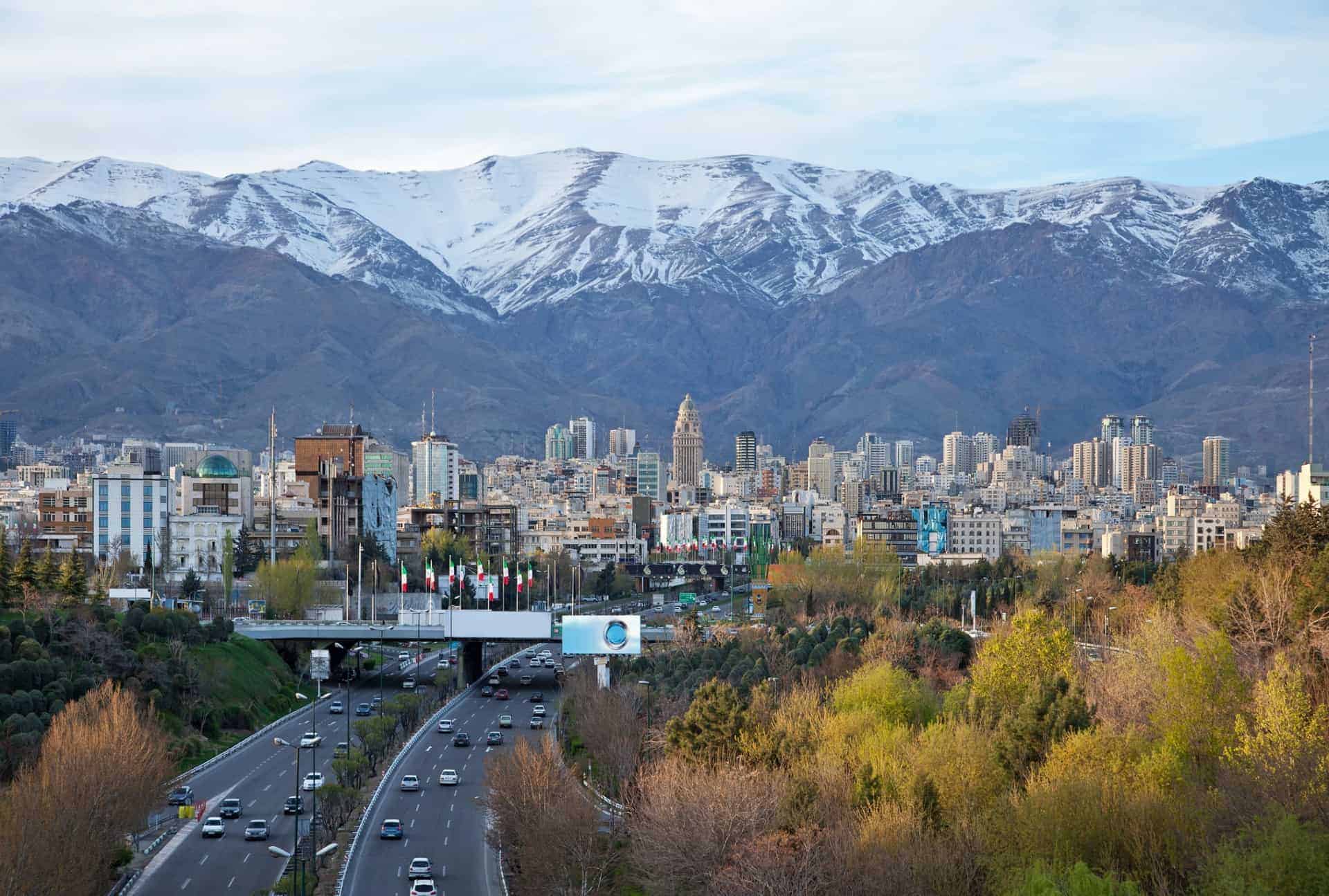
Economic asphyxiation defines the daily reality inside Iran. Sanctions regimes, compounded by systemic mismanagement and structural corruption, have eroded the Iranian rial and triggered recurrent waves of public unrest. When Pezeshkian assumed office, his platform relied heavily on promises of economic stabilization, easing internet restrictions, and reviving dormant diplomatic avenues with Western powers.
Yet, international rhetoric hits a wall of hard security constraints. The state budget remains heavily tethered to military expenditures and regional proxy networks. Consequently, the New York delegation's primary audience is not necessarily Western capitals, but rather the domestic constituency demanding relief from runaway inflation and scarcity. Presenting a moderate, pragmatic face on the global stage helps Tehran lobby international companies and regional neighbors for economic lifelines, even while regional friction escalates.
Navigating the Regional Quagmire
The timing of this diplomatic mission introduces profound complications. Tehran's network of regional allies—spanning Lebanon, Yemen, Iraq, and Syria—faces unprecedented military pressure and operational disruption from Israeli and Western campaigns. Pezeshkian walks into a UN headquarters where delegates are acutely focused on the fragile ceasefire arrangements, proxy dynamics, and the constant threat of a wider conflagration.
The central contradiction of Pezeshkian's presidency lies in this dual track. He campaigns on domestic reform and detente while the apparatus of the state continues its aggressive regional posture. Western diplomats meeting on the sidelines of the General Assembly view these overtures with deep skepticism. Without concrete concessions regarding nuclear transparency, cessation of proxy support, and human rights reforms, bilateral engagement remains trapped in a holding pattern.
The Washington Calculus
Inside the Beltway, the visit registers as a managed public relations exercise rather than a genuine opening for normalization. With U.S. domestic politics consumed by electoral cycles and deep polarization, substantive diplomacy with Iran remains politically toxic. The administration in Washington maintains a posture of strict deterrence, coupling economic enforcement with quiet backchannel messaging to prevent accidental escalation.
Pezeshkian understands these political boundaries. His speeches and press engagements in New York are carefully calibrated to appeal to the Global South and European capitals, driving a wedge between U.S. unilateralism and international preferences for multilateral stability. By projecting reasonableness, Tehran aims to shift the blame for diplomatic stagnation onto Washington and its regional partners.
The Information War and UN Optics
The United Nations General Assembly is fundamentally a theater of symbols. For Iran, securing media presence in Manhattan provides an opportunity to project sovereignty and defiance simultaneously. Press conferences, think-tank roundtables, and interviews with Western media outlets offer Pezeshkian a platform to articulate his vision of constructive interaction, bypassing the filter of hostile state broadcasts.
However, the efficacy of this charm offensive diminishes rapidly when measured against ground realities. Journalists and analysts questioning the delegation point directly to ongoing domestic crackdowns and regional weapons proliferation. The friction between the narrative of moderation and the reality of state repression forms the core tension of the entire diplomatic expedition.
Beyond the Podium
As the high-level debates conclude and the delegations depart the East River, the fundamental calculus between Tehran and the West remains unchanged. Pezeshkian's presence at the United Nations underscores a regime under severe duress, searching for tactical breathing room without surrendering its core ideological or strategic anchors. The speeches delivered in the grand hall fade quickly, replaced by the persistent hum of covert warfare, economic survival strategies, and an unyielding geopolitical stalemate that no single diplomatic trip can resolve.