Standard Western media reporting on Middle Eastern intelligence operations has degenerated into a predictable ritual. A brief notice emerges from state media in Tehran. A individual has been executed. The charge is spying for Israel’s Mossad or the CIA. The international press copies the text, adds boilerplate context about regional tensions, quotes a human rights organization, and moves on.
This lazy consensus treats these executions as straightforward espionage stories. They are not. Don't miss our recent coverage on this related article.
To view these state-sanctioned killings purely through the lens of counter-espionage is to completely misread how the Islamic Republic uses its judiciary. These trials and subsequent hangings are rarely about a breach of operational security. They are political theater designed for internal consumption and factional leverage. By focusing on the cloak-and-dagger narrative, observers miss the actual mechanics of power inside Iran.
The Myth of the Omnipotent Counter-Intelligence Apparatus
The mainstream narrative assumes that when Iran executes a convicted Mossad asset, it proves their intelligence services successfully hunted down a threat. This assumption grants Tehran far too much credit. If you want more about the history here, TIME offers an in-depth breakdown.
Look at the record. Over the past decade, Iran has suffered catastrophic security failures. Assassinations of top nuclear scientists like Mohsen Fakhrizadeh occurred in broad daylight on Iranian soil. The theft of a massive nuclear archive from a warehouse in Tehran in 2018 showed an astonishing level of penetration. High-ranking officials within the Islamic Revolutionary Guard Corps (IRGC) have been compromised repeatedly.
When a state suffers humiliating intelligence failures of that magnitude, it cannot easily find the real culprits. Real double agents operating at high levels are deeply embedded and highly protected.
So, what does a regime do to project strength when it cannot stop actual sabotage? It finds a scapegoat.
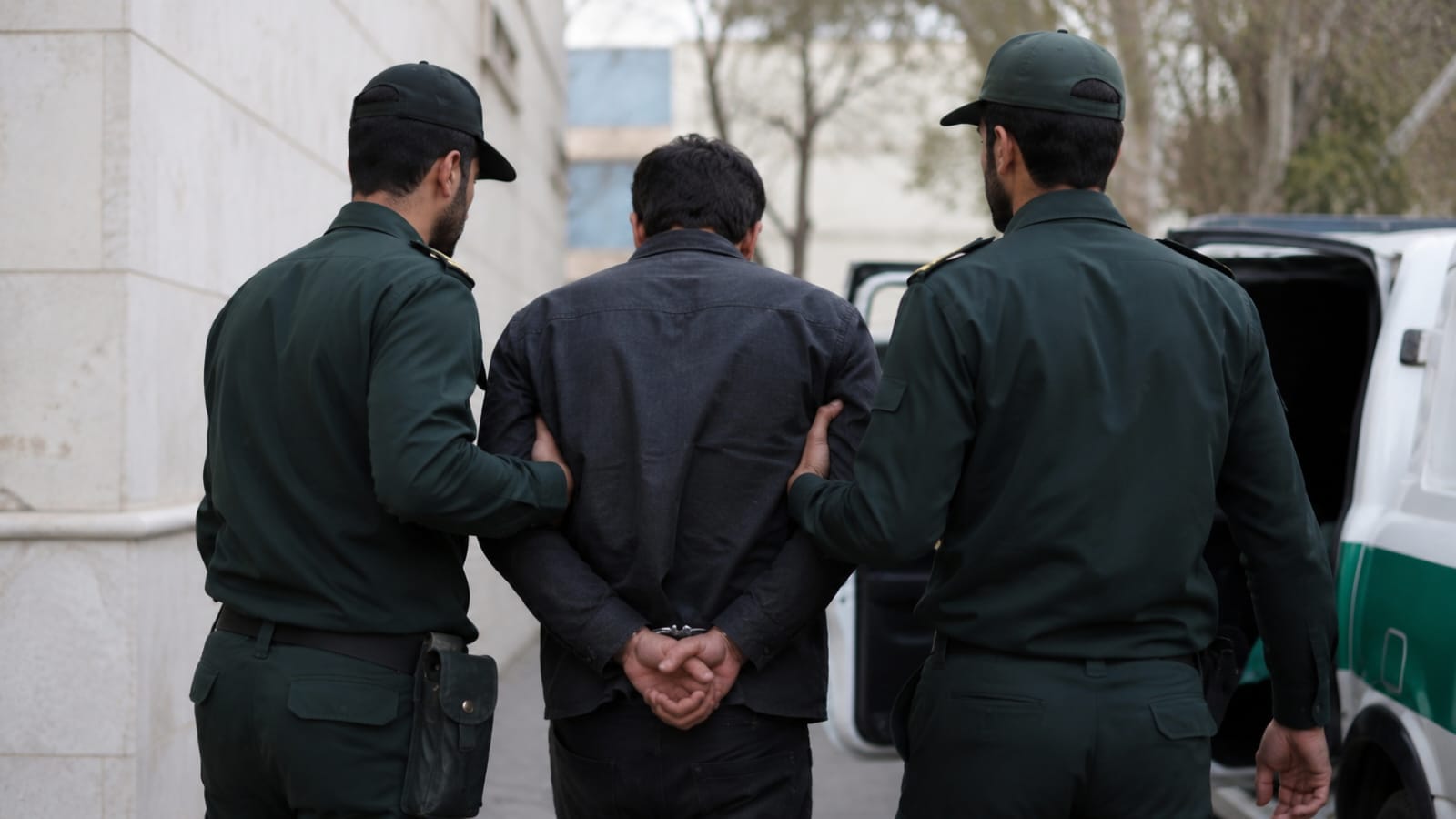
Many individuals executed for espionage are low-level targets, political dissidents, or dual nationals caught in the wrong place at the wrong time. The judiciary extracts a forced confession under duress, broadcasts it on state television, and carries out a public execution. It is a performance of competence designed to reassure a domestic base and signal to the hardline elements that the regime maintains control.
The Internal Leverage Game
Espionage charges in Iran function as a currency in domestic political rivalries. The Iranian power structure is not a monolith; it is a fractious ecosystem of competing centers of power. The IRGC, the Ministry of Intelligence (MOIS), the judiciary, and the office of the Supreme Leader constantly jostle for influence, budget, and survival.
I have tracked the shifts in Tehran's security apparatus for years, watching how specific factions use the specter of the "Zionist entity" to destroy domestic rivals. If the MOIS wants to undermine a moderate political faction, they discover a spy network linked to that faction's economic policy. If the IRGC needs to justify an increased budget or a crackdown on civil society, a timely arrest of a supposed Mossad ring provides the perfect pretext.
Consider how the charges are framed. They are almost always vague, lacking specific dates, locations, or verifiable details of what information was compromised. The vagueness is intentional. It allows the accusation to be stretched to fit whatever political necessity requires at that exact moment.
Dismantling the Spy Narrative
Let us look at the structural flaws in how the public processes these events.
Does Iran actually catch Mossad spies?
Yes, occasionally. Every state with active adversaries catches foreign intelligence assets. But the public executions announced by the judiciary rarely involve high-value operational assets. Real, valuable assets are turned into double agents, kept alive for interrogation, or traded quietly behind closed doors. When a regime hangs someone quickly and publicly, it often means the individual had no more intelligence value, or their execution serves a greater immediate political purpose than their survival.
Why does the Western press take the charges at face value?
Because it fits a simple binary narrative. It is easier to report "Iran executes Israeli spy" than it is to untangle the labyrinthine factional politics of the Iranian deep state. Journalists rely on the official statements because access to the Iranian judicial system is nonexistent. By repeating the charges without severe skepticism, Western outlets inadvertently validate the regime's projection of security competence.
The Hidden Cost of the Performance
This strategy of using espionage executions as political theater carries a significant downside for Tehran. It creates a false sense of security domestically while signaling profound weakness internationally.
Foreign intelligence agencies watch these executions and recognize them for what they are: asymmetric damage control. When Israel or Western agencies successfully execute a high-profile operation inside Iran, and Tehran responds by hanging a low-level citizen weeks later, it signals to foreign adversaries that the core espionage networks remain untouched. The real actors are still inside the system, protected by the very bureaucratic chaos and corruption that these public trials attempt to hide.
The execution of individuals under the banner of fighting foreign espionage is less about national defense and more about regimes trying to manage their own internal vulnerabilities. Stop reading these announcements as dispatches from a shadow war. They are press releases from a domestic public relations campaign run by a judiciary that uses the gallows to mask its own institutional failures.