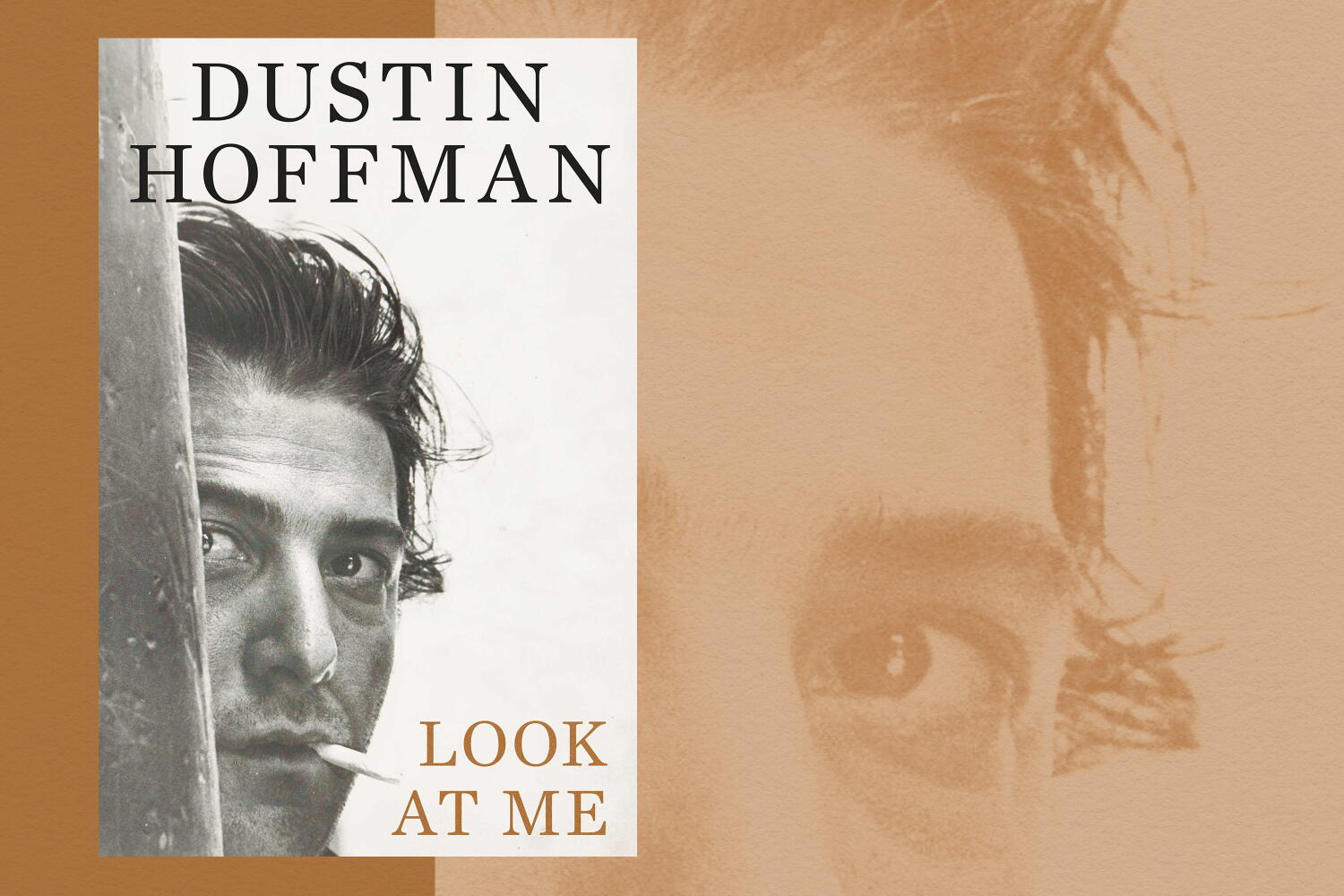
A literary superstar returning after a decade with a sequel is rarely a simple triumph of artistic inspiration. Behind the romanticized narrative of quiet reflection and sudden creative breakthrough lies a calculated commercial play designed to test whether an aging reputation can still command front-table attention in a distracted market.
Publishing houses love a long absence. Silence builds mystery, and mystery lowers reader skepticism long before an advance copy reaches a critic's desk. When a celebrated author vanishes for ten years and emerges with a follow-up to a beloved book, the industry treats the release less like a standalone work and more like an event with built-in nostalgia. Yet the economics of modern book publishing make that bet far riskier than the public relations spin admits.
The Myth of the Quiet Decade
Readers imagine a famous novelist spending ten years in a cabin or a sunlit study, waiting for the right voice to return. Sometimes that happens. Often, the reality is messier.
A decade is a long time in the book business. Editors leave houses, imprints merge, publicity budgets shrink, and cultural tastes shift in ways that make a once-dominant voice sound slightly distant. An author who stepped away at the peak of critical or commercial relevance may return to find that the literary ecosystem has reorganized itself around shorter attention cycles, aggressive social media marketing, and backlist algorithms that reward constant visibility rather than monastic withdrawal.
Withdrawal can also harden expectations. When a writer has not published a major book in ten years, fans stop imagining a normal novel and start imagining a monument. Every page of a sequel is weighed against a decade of anticipation and memory. That gap between memory and text is where many high-profile comebacks stumble.
What Happens Behind Closed Doors
During a long hiatus, a writer's relationship with their own catalog changes. Early success can create a kind of creative gravity where every new sentence feels obligated to answer to an older triumph. Some authors wrestle with unfinished drafts for years. Others pursue screen adaptations, teaching, private life, or quieter projects that never generate headlines.
By the time a sequel is formally announced, years of quiet negotiation have usually already occurred. Agents test market appetite. Editors ask hard questions about whether new readers will understand the premise without having read the original years ago. Marketing teams begin shaping a story about patience, maturity, and return.
A ten-year gap does not automatically deepen a story. Sometimes it simply lengthens the shadow cast by the first book.
Why Publishers Bet Big on Sequels
In an era when midlist authors struggle to earn out modest advances, a sequel from a known name looks like shelter from uncertainty. A proven title carries a recognizable world, established character dynamics, and an existing audience that already knows how to find the book.
That familiarity reduces discovery costs. Publishers spend vast sums trying to convince buyers to take a chance on an unfamiliar name. With a sequel to a landmark book, much of the initial curiosity already exists. Bookstores know where to stack it. Reviewers already have a framework for discussing it.
The Nostalgia Multiplier
Nostalgia is one of the most reliable engines in entertainment, and books are no exception. Readers who encountered a defining novel in their twenties or thirties often carry an emotional attachment to its world that outlasts ordinary literary trends.
A sequel taps directly into that attachment. It offers the promise of re-entering a familiar room after a long trip away. Even skeptical readers often pick up a long-awaited sequel just to see whether the magic still holds or how the characters aged.
Yet nostalgia cuts both ways. If a sequel merely repeats the formulas of the original, critics accuse the author of coasting on past glory. If it reinvents too aggressively, longtime fans complain that the spirit of the first book was abandoned. Threading that needle is harder than signing a lucrative contract.
The Hidden Traps of the Long Follow-Up
Long absences create blind spots. A writer who steps out of the public release cycle for a decade can lose touch with the subtle shifts in pacing, dialogue, and reader patience that have occurred while they were away.
Consider a hypothetical example. Suppose a novelist publishes a celebrated crime or literary drama in 2016, steps out of the spotlight, and returns in 2026 with a direct sequel. Readers picking up the new book may have forgotten minor plot threads from ten years earlier, while newer readers may feel locked out of inside jokes or secondary relationships. If the sequel spends too much energy catching people up, the momentum stalls. If it assumes total recall, half the audience feels left behind.
Legacy Pressure and Creative Risk
The longer an author waits, the heavier the crown feels. A writer who has been absent for ten years rarely wants to return with something small or tentative. There is intense internal and external pressure to deliver a statement book.
Statement books carry their own hazards. Over-explaining themes, inflating subplots, or polishing prose until every rough edge is sanded smooth can drain a story of the urgency that made the original electric. Early work often succeeds because the writer is hungry and unburdened by legacy. A late sequel carries history on its back.
| Factor | Advantage of a 10 Year Gap | Risk of a 10 Year Gap |
|---|---|---|
| Anticipation | Scarcity heightens curiosity and media coverage | Expectations can become impossible to satisfy |
| World and Characters | Familiar setting gives buyers an immediate hook | Readers may forget details or outgrow the tone |
| Author Perspective | Time can bring sharper observation and restraint | Distance can dull original energy or current relevance |
| Market Position | Major launch visibility in a crowded calendar | Competition from newer voices and shifting tastes |
How Readers Actually Judge the Return
Once the launch week buzz fades, readers judge a sequel by a simple standard: does it earn its existence on the page? Prestige and mystery can get a book into people's hands, but only voice, character, and momentum keep them turning pages.
A sequel works best when it treats the original book as a launchpad rather than a museum. Characters who have lived through real consequences should feel changed by them, not frozen in amber. When a writer brings genuine curiosity back to an old world—asking what happens next without pretending the intervening years never happened—the return feels earned.
When the book instead feels like an obligation fulfilled or a brand reactivated on cue, readers spot the hollowness quickly. A decade is too long to wait just to be told something you already knew.
What This Means for Writers and Buyers
For aspiring writers, the lesson of the ten-year sequel is not that disappearing makes you a genius. Most disappearing acts end in quiet obscurity rather than triumphant comebacks. Longevity in publishing comes from building a body of work that can withstand scrutiny over time, not from manufacturing scarcity.
For readers and industry watchers, the smart move is to look past the hype cycle. Ignore the breathless talk of literary resurrection for a moment and ask a sharper question: is this book alive right now, or is it trading on a ghost? That distinction separates a genuine creative return from a well-packaged event.