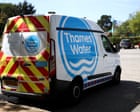
Running out of cash when you supply drinking water to 16 million people creates a very specific kind of panic. Thames Water is staring down a £20 billion debt pile, and management is begging creditors for breathing room before the whole financial structure snaps.
Most headlines treat this like a sudden corporate surprise. It isn't. For years, Britain's biggest water utility piled on cheap debt while paying out billions in dividends, operating under the assumption that interest rates would stay near zero forever and inflation wouldn't spike. When economic reality shifted, that entire financial engineering model broke overnight. Now, executives are asking bondholders and lenders for extensions, waivers, and emergency liquidity just to keep the taps running without triggering a government takeover.
If you live in London or the Thames Valley, or if you hold UK infrastructure bonds in your pension fund, this mess affects your wallet directly.
The Real Math Behind Thames Water's Debt Crisis
Let's strip away the corporate jargon. Thames Water owes roughly £20 billion across different tiers of bonds and bank loans, split mostly between Class A senior debt and riskier Class B junior debt.
Why does a utility company carry a debt load larger than the GDP of several small countries? Because private equity owners—most notably Macquarie during its ownership period between 2006 and 2017—used a legal structure called a Whole Business Securitisation. In plain English, they borrowed heavily against the company's future guaranteed customer bills, extracted huge dividends, and left the operating company heavily geared.
Here is how the trap snapped shut:
- Roughly half of Thames Water's debt is index-linked, meaning the principal amount grows alongside UK inflation.
- When inflation surged past 10% in 2022 and 2023, the company's debt pile ballooned automatically by billions of pounds without a single new pipe being laid.
- Interest payments exploded at the exact same time Ofwat, the water regulator, demanded massive capital spending to stop raw sewage spills and fix Victorian-era leaking pipes.
You can't pay down £20 billion when your interest bill eats your operating cash flow. Management basically hit a wall. Without new equity from existing shareholders—who flatly refused to inject more money after calling the regulator's draft rules "uninvestable"—Thames Water had only one move left. Ask the lenders for more time.
Why Creditors Are Cornered Into Negotiating
You might wonder why billionaire hedge funds and massive pension schemes don't just pull the plug and force Thames Water into bankruptcy.
They can't afford to. Not yet.
If creditors refuse an extension and trigger a default, the UK government steps in through a Special Administration Regime (SAR). Under an SAR, the state takes control to ensure uninterrupted water and sewage services, and then restructures the company before selling it off. In that scenario, Class B junior bondholders get wiped out completely, and even Class A senior bondholders face brutal haircuts of 20% to 40% on their investments.
So the lenders are trapped in a high-stakes standoff. By granting Thames Water extra time, approving emergency liquidity facilities at punitive interest rates, and delaying debt covenants, creditors are buying themselves a window to negotiate a controlled restructuring on their own terms. They want to keep the government out of the boardroom for as long as possible.
Honestly, it's a classic game of financial chicken. Bondholders know the company is technically insolvent on a balance sheet basis, yet forcing a collapse today guarantees immediate, massive losses. Extending the clock keeps the illusion of recovery alive while they fight Ofwat for higher customer bills.
What Most People Get Wrong About Customer Bills and Bailouts
Every time Thames Water makes the front page, politicians start shouting about nationalisation and angry customers assume their monthly direct debit is about to double tomorrow. Both assumptions miss how UK utility regulation actually works.
First, taxpayers aren't bailing out the shareholders. Existing equity investors—including pension funds from Canada, the UK, and sovereign wealth funds from Abu Dhabi and China—have already written down the value of their stakes to near zero. Their money is gone.
Second, customer bills are going up, regardless of who owns the company. Ofwat's price review process (PR24) determines how much utilities can charge between 2025 and 2030. Thames Water originally demanded bill increases of over 40% to fund infrastructure upgrades and service its debt. Ofwat pushed back, offering a smaller increase, which sparked the current liquidity crunch. Whether Thames Water survives via a creditor-led debt-for-equity swap or enters Special Administration, the physical pipes still need £15 billion to £20 billion in upgrades over the next decade. Customers will pay for those pipes through higher bills either way, because water infrastructure has no other revenue source.
The real fight isn't over whether bills will rise. The fight is over whether your higher water bill goes toward fixing leaky mains in Oxfordshire or paying 8% emergency interest rates to distressed-debt hedge funds in New York and London.
How a Debt Restructuring Actually Plays Out
When a company asks creditors for more time on £20 billion, it rarely ends with a simple handshake and a delayed due date. Extensions are just temporary bridges toward a permanent restructuring.
Based on how major UK infrastructure workouts happen, three steps are unfolding behind closed doors right now:
- Emergency Liquidity Injection. Distressed debt funds provide £1.5 billion to £3 billion in short-term super-senior cash to keep wages paid and chemicals bought for water treatment plants. They charge eye-watering fees and double-digit interest for the privilege.
- Debt-for-Equity Swap. Senior Class A bondholders eventually agree to write off billions in debt in exchange for owning the company outright, wiping out the old shareholders and junior Class B lenders.
- Regulatory Settlement. The new creditor-owners strike a deal with Ofwat, accepting stricter limits on dividends and executive bonuses in exchange for predictable bill increases that allow the newly slimmed-down company to borrow at normal investment-grade rates again.
This process takes months, sometimes over a year, which explains why Thames Water keeps asking for sequential extensions. Courts have to approve the restructuring plans under Part 26A of the Companies Act, and rival creditor groups constantly sue each other over who gets priority in the payout line.
What You Should Watch Next
If you're a Thames Water customer, a fixed-income investor, or someone tracking UK infrastructure risk, don't get distracted by daily political rhetoric. Focus on three concrete signals over the coming months.
Check the court approval dates for any interim liquidity plan. If a judge blocks the emergency financing package because junior creditors prove it unfairly strips their recovery rights, the company runs out of cash within weeks and triggers immediate government Special Administration.
Watch Ofwat's final determination appeals to the Competition and Markets Authority (CMA). If Thames Water's new creditor-owners refer the regulator's pricing decision to the CMA, expect a 12-to-18-month regulatory freeze that will keep the company in financial limbo and delay major sewage upgrade projects across the South East.
Finally, if you hold UK corporate bond funds or utility-heavy pension allocations, review your fund's top holdings now. Many institutional managers still hold Class A Thames Water paper marked well below par, and any sudden shift toward Special Administration will trigger immediate markdowns across sterling fixed-income portfolios.