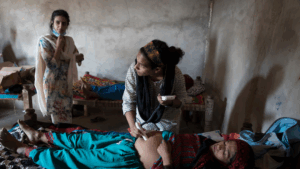
Maternal physiology operates under strict thermal homeostatic limits. When ambient temperatures exceed the capacity of human thermoregulation, the resulting physiological strain compromises placental perfusion and accelerates systemic inflammation. Recent international survey data mapping the observations of more than one thousand maternity healthcare professionals across multiple geographies reveal a structural convergence between rising global temperatures and acute obstetric complications. Rather than viewing climate change as an abstract environmental issue, healthcare systems must analyze thermal stress through a rigorous physiological lens: as a direct disruptor of vascular, endocrine, and metabolic stability during gestation.
The primary mechanism linking elevated ambient heat to adverse pregnancy outcomes is maternal dehydration coupled with peripheral vasodilation. To dissipate core body heat, maternal blood flow is diverted toward the skin and extremities, reducing the effective circulating volume available to the uteroplacental unit. This circulatory adaptation creates a state of relative placental hypoperfusion. Chronic or acute oxygen and nutrient restriction to the fetus triggers intrauterine growth restriction and increases the risk of premature uterine contractions. Data compiled from frontline clinical observations indicate that nearly one-fifth of maternity workers note an escalation in preterm labor cases during extreme heat episodes, while over a third document increased presentations of low birth weight and neonatal dehydration.
A secondary physiological cascade involves the premature activation of inflammatory pathways and endocrine responses. Heat stress induces the release of heat shock proteins and systemic inflammatory cytokines, which can destabilize the membranes surrounding the amniotic sac and stimulate prostaglandin synthesis. This biochemical environment mimics the triggers of spontaneous labor. Furthermore, heat-induced strain elevates maternal blood pressure and exacerbates endothelial dysfunction, compounding the risk profile for hypertensive disorders of pregnancy, including pre-eclampsia. Survey metrics show that nearly a quarter of reporting clinicians observe a direct correlation between extreme heat events and climbing rates of hypertensive complications.
The distribution of these clinical risks is fundamentally asymmetric, driven by structural vulnerabilities rather than uniform exposure. Populations lacking access to temperature-controlled living environments, reliable electrical grids for cooling, and potable water face an amplified hazard function. Occupational exposure further exacerbates vulnerability; pregnant individuals compelled to perform physical labor outdoors or in poorly ventilated indoor settings absorb cumulative thermal loads that routine clinical advice cannot mitigate. The limitation of behavioral guidance—such as advising patients to stay cool in environments devoid of climate control—exposes the failure of passive intervention models in the face of systemic infrastructure deficits.
Clinical infrastructure itself exhibits systemic vulnerability during extreme weather events. Maternity hospitals and local health clinics frequently experience grid failures, interruptions to water supplies, and thermal overloads that degrade the storage safety of temperature-sensitive medications and disrupt emergency response capacities. When ambient indoor temperatures in clinical facilities become unsafe, the standard of care deteriorates rapidly, translating environmental stress into systemic institutional failure. Nearly thirty percent of healthcare providers report that extreme weather strains emergency presentation workflows and overwhelms regional institutional capacity.
To shift the strategic response from reactive treatment to proactive risk mitigation, healthcare frameworks must integrate thermal monitoring directly into antenatal care protocols. This requires establishing localized heat-health warning systems tied explicitly to maternal vulnerability indices, upgrading the thermal resilience of clinical facilities, and deploying community-level interventions such as reflective roofing, targeted hydration kits, and decentralized support networks. Policymakers must treat maternal health protection as a primary variable in climate adaptation financing and infrastructural planning. If healthcare systems fail to restructure their operational models around the physical reality of thermal stress, the intersection of climate change and obstetric care will continue to drive avoidable morbidity across generations.