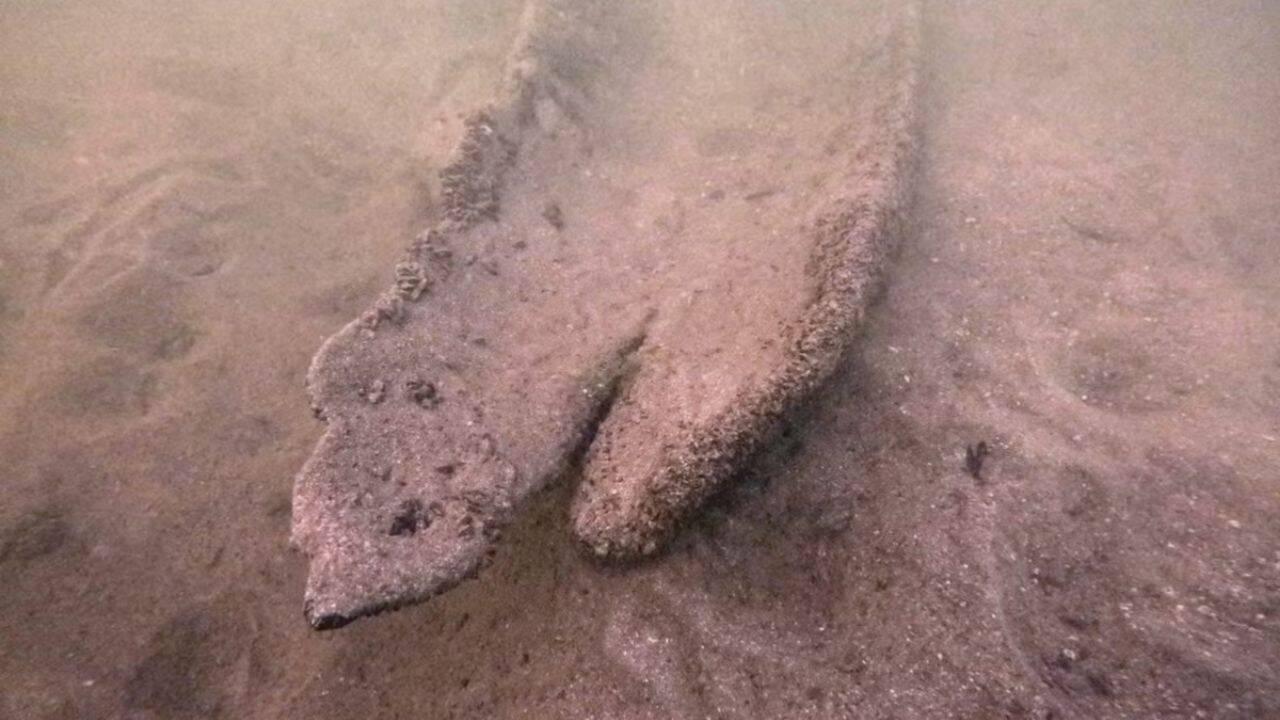
Most people assume ancient history only reveals itself through dramatic temple ruins or grand archaeological digs. Sometimes, though, history is sitting quietly at the bottom of a murky lake, waiting for a weekend diver to bump into it.
When a Wisconsin scuba diver stumbled upon a massive 17-foot wooden watercraft resting on the lakebed, it looked like a standard sunken log at first glance. It turned out to be a remarkable prehistoric artifact. Radiocarbon dating soon placed its age at roughly one thousand years old. That single discovery shakes up what we think we know about the sophisticated engineering and lifestyle of the indigenous communities who lived around the Great Lakes long before European settlers arrived.
The Reality of Underwater Archaeology in the Midwest
Finding a pristine wooden artifact submerged in freshwater is astonishingly rare. Wood rots. Organisms chew through it. Currents break it apart. Yet, Wisconsin lakes and rivers act as natural preservation chambers under the right conditions. Low oxygen levels and cold sediment trap submerged timber, freezing it in time for centuries.
When divers encounter these submerged treasures, they face a ticking clock. The moment oxygen hits waterlogged wood exposed to air, the degradation process accelerates rapidly. Archaeologists have to step in fast to preserve, document, and safely recover these pieces of heritage before they crumble.
This particular canoe wasn't just a casual afternoon paddleboat. Crafting a seventeen-foot vessel from a single massive tree trunk requires incredible patience, precise toolwork, and a deep understanding of wood grain. You can't just hack away at a log with a stone axe and hope for the best. Every single cut dictates balance, buoyancy, and durability on open water.
How Radiocarbon Dating Pinpoints the Past
Carbon-14 testing sounds like science fiction to most people, but the process is straightforward chemistry. Every living organism absorbs carbon from the atmosphere, including a tiny fraction of radioactive carbon-14. Once the tree was chopped down to hollow out this canoe, it stopped absorbing carbon.
By measuring the remaining radioactive isotopes in a tiny wood sample, scientists can calculate precisely when the tree stopped living. Getting a date right around one thousand years ago places this canoe squarely in the Late Woodland period.
During this era, communities across the Upper Midwest were shifting. They relied heavily on maize agriculture, established permanent seasonal villages, and traded extensively across vast water networks. Rivers and lakes functioned as the interstate highways of the ancient world. A seventeen-foot canoe wasn't a recreational toy. It was a heavy-duty cargo vehicle used for moving families, harvested crops, and valuable trade goods across dangerous open water.
Why This Discovery Matters Right Now
History books tend to oversimplify ancient North American life. We hear about massive mound builder cultures or nomadic hunters, but we rarely picture the daily logistics of river travel. Finding a intact dugout canoe provides tangible proof of advanced maritime capabilities.
Think about the sheer scale of a seventeen-foot vessel. It had to carry multiple paddlers, gear, and supplies without capsizing in choppy Great Lakes conditions or swift river currents. The builders possessed profound ecological knowledge. They knew which tree species offered the right balance of weight, flexibility, and rot resistance. They understood water dynamics better than most modern weekend boaters.
Local tribal nations and state historical preservation groups immediately recognize the cultural significance of these finds. These aren't just dead logs or museum props. They are ancestral connections. They represent the ingenuity of people who managed, protected, and traveled these exact waterways long before dams, motorboats, and concrete shores altered the landscape.
Protecting these sites poses a massive challenge. Amateur divers stumble across ancient artifacts all the time, and the temptation to souvenir-hunt is real. State laws protect underwater archaeological sites for a reason. Pulling a waterlogged artifact out of the water without proper chemical stabilization destroys it within days. Conservationists spend months soaking recovered wood in specialized solutions like polyethylene glycol to replace lost cellular moisture before anyone can safely display it.
If you ever find yourself diving in Great Lakes waters, keep your eyes open. You might just swim past a piece of history that shifts our understanding of the past. Leave it where it rests, note the coordinates, and report it to local authorities. That is how we keep the past intact for the next generation.