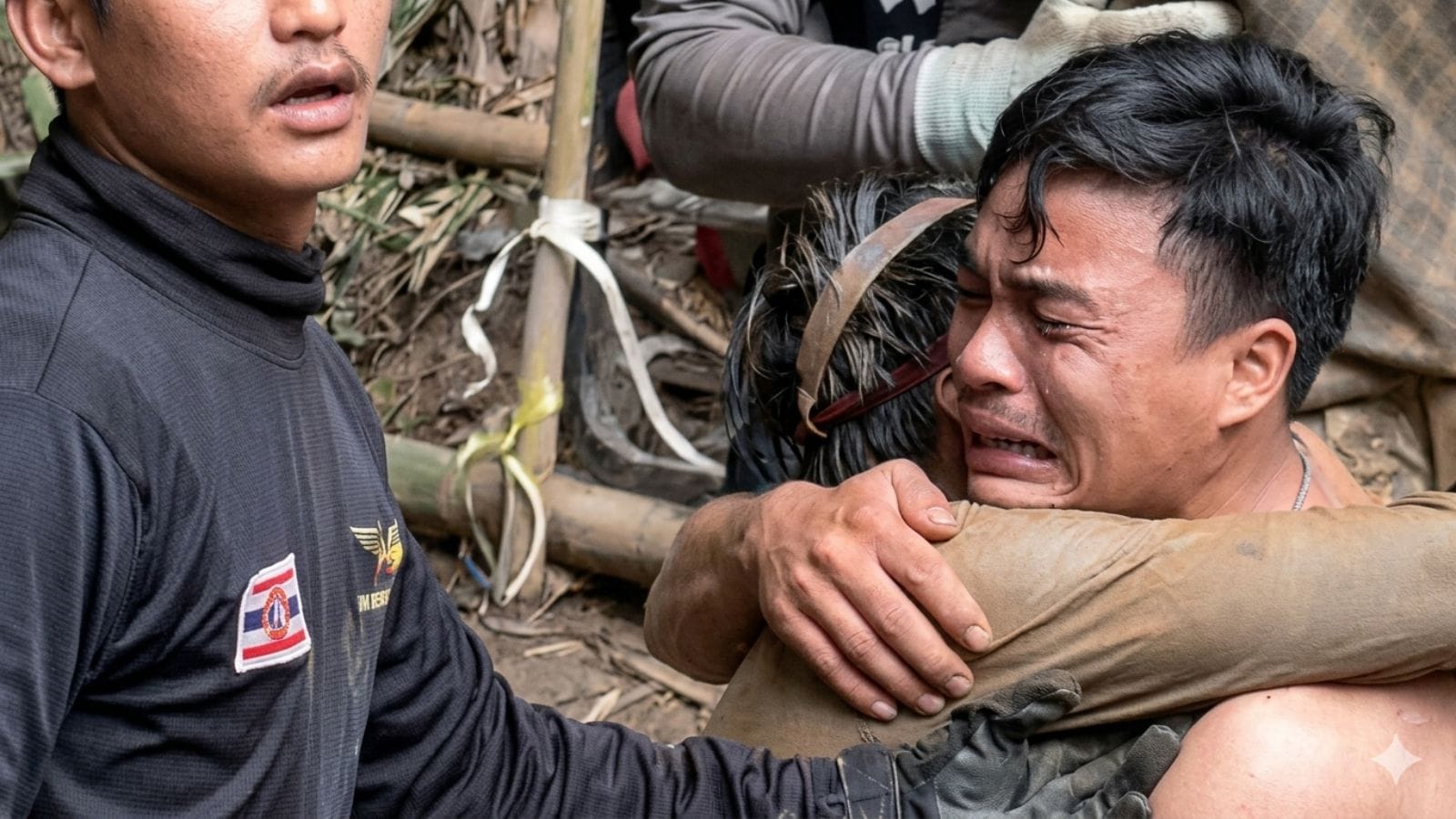
Eighteen people are dead because they tried to go home in the back of a commercial cargo truck. On May 30, 2026, a packed vehicle carrying recently returned Afghan refugees from Pakistan flipped into a ditch along the Kabul–Jalalabad highway. The tragedy took place around 5:30 a.m. near the Surkhakan intersection in the Qarghayi district of Laghman province. Ten children, five women, and three men died right there on the asphalt or in the wreckage. Another 29 passengers are injured, some fighting for their lives in nearby Nangarhar province hospitals.
This isn't just an unfortunate traffic accident. It's the direct result of a massive humanitarian squeeze. When you force hundreds of thousands of people across a border with all their worldly belongings, they don't buy tickets on luxury buses. They pack into the back of whatever freight vehicle they can afford. Aminullah Sharif, the provincial Director of Public Health, noted that the driver likely fell asleep before the truck veered off the road. But the real structural issues go way deeper than a tired driver.
The Brutal Reality of the Kabul–Jalalabad Highway
If you've never traveled the roads in eastern Afghanistan, it's hard to picture how dangerous they are. Decades of war and zero maintenance have left major arteries like the Kabul–Jalalabad highway full of deep craters, missing shoulders, and unstable geometry. Combine that infrastructure with a heavy freight truck loaded to the brim with household goods, furniture, and dozens of human beings. It's a recipe for disaster.
The families involved in this crash had crossed back from Pakistan and were temporarily staying in eastern Kunar province. They were trying to reach Kabul to rebuild their lives at the end of the Eid al-Adha holiday. Instead, their journey ended in a ditch. Traffic police and rescue teams from the provincial migrant affairs committee pulled survivors out of the debris, but the damage was already done. The central Taliban government announced 730,000 afghanis, which translates to roughly $10,000, in emergency financial assistance for the families. That money doesn't bring back ten children.
Why Mass Expulsions Lead to Deadly Transit
You have to look at the numbers to understand why these hazardous journeys happen so often. Since the beginning of 2026 alone, 447,400 Afghans have returned from Pakistan. Islamabad has aggressively tightened its stance on undocumented migrants, leaving families with few choices. They face immediate deportation or intense pressure to pack up and get out.
When an entire family gets uprooted, they take everything, their bedding, cooking utensils, and tools. International aid groups have repeatedly warned that these forced expulsions compel families to use commercial cargo trucks. These vehicles have no seats, no seatbelts, and zero passenger protection. When a vehicle like that flips, the heavy household goods crush the people riding alongside them.
This isn't an isolated incident. Just last August, a massive collision in western Afghanistan involving a bus carrying returnees from Iran and a fuel truck killed 78 people. Over the last ten days of May 2026 alone, separate road accidents across the country took another 20 lives. The transportation system simply cannot handle the sheer volume of displaced people moving across the borders.
How to Navigate the Returning Refugee Crisis Safely
If you're working with aid organizations or trying to help families navigating the return process from Pakistan or Iran, you can't rely on local commercial transport lines to keep people safe. Here are the immediate steps required to reduce these highway fatalities.
- Demand Dedicated Passenger Transit: Aid networks must prioritize funding for designated passenger buses rather than allowing families to contract independent freight trucks. Cargo and people must be separated.
- Establish Border Transit Hubs: International monitors need to set up checkpoints at major crossings like Torkham to inspect vehicles for overcrowding before they hit the mountainous highways.
- Coordinate Phased Travel Schedules: Rushing during holidays like Eid increases traffic density and driver fatigue. Families should be given logistical support to travel during safer, daylight hours with scheduled rest stops.
The Taliban's chief spokesperson, Zabihullah Mujahid, expressed sorrow online and offered prayers for the wounded. But state condolences won't fix a broken transport network or stop the aggressive regional deportation policies that drive people into these dangerous situations in the first place. Without systemic changes to how refugee returns are handled, more cargo trucks will finish their journeys in ditches along the highway.