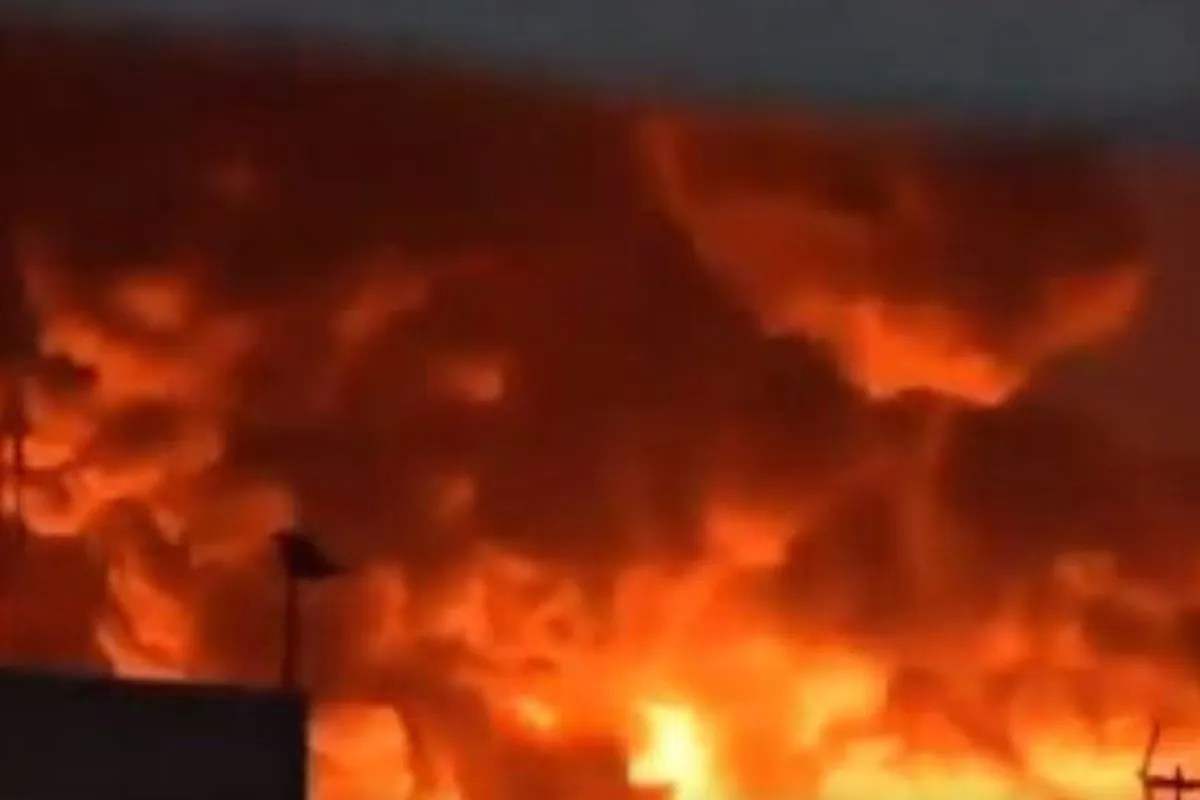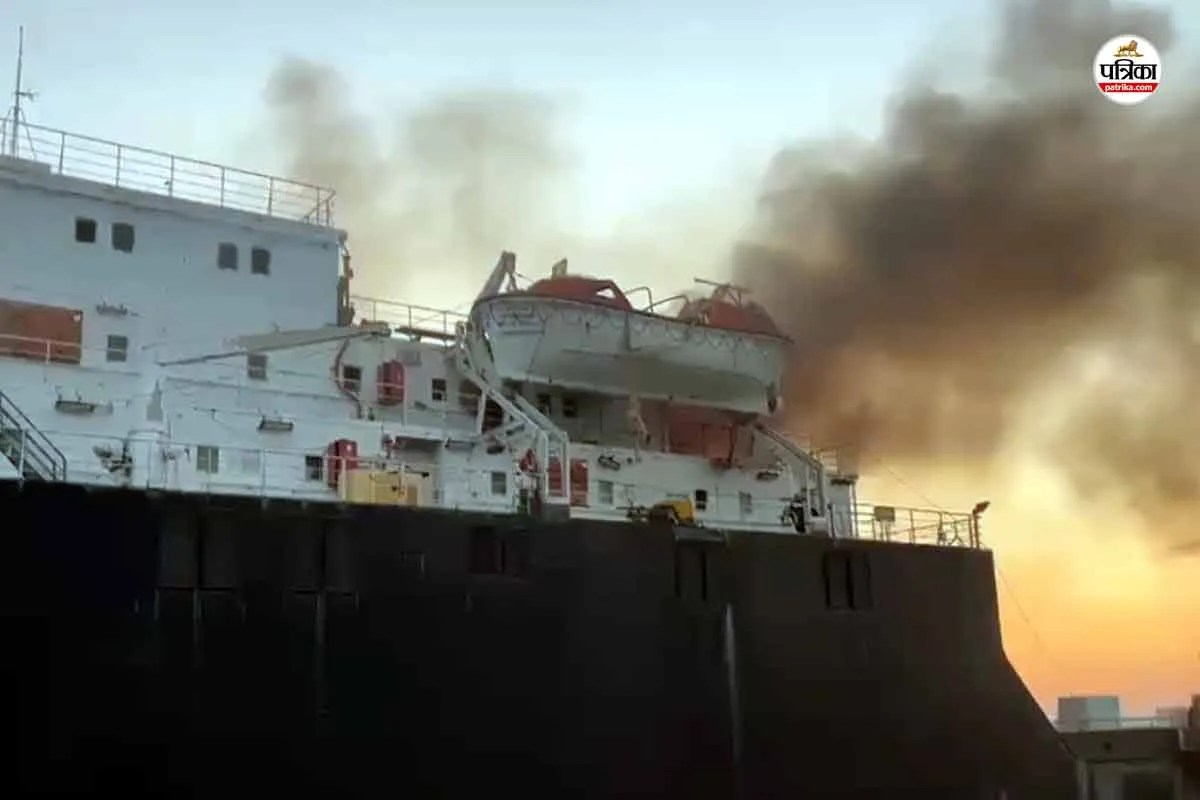
Thirteen Indian merchant sailors remain trapped aboard a commercial vessel anchored perilously close to active conflict zones in Ukraine, caught between relentless aerial bombardments, bureaucratic paralysis, and the harsh realities of maritime logistics during total war. While international headlines frequently focus on the macro-level geopolitical maneuvering, the ground reality for ordinary maritime crews working these contested waterways involves enduring sirens, dwindling provisions, and a desperate waiting game for consular repatriation.
The core crisis centers on vulnerability at sea. Commercial shipping operations in the Black Sea and connected waterways have long operated under high-risk insurance riders, but the escalation of drone and missile strikes has transformed routine maritime navigation into a game of survival. For these thirteen Indian nationals, the primary issue is not just the immediate proximity of incoming ordnance, but the complex legal and logistical hurdles preventing safe extraction from active ports.
The Anatomy of Maritime Abandonment in Wartime
When air raid sirens wail across Ukrainian port infrastructure, cargo vessels do not simply weigh anchor and sail away. International maritime law, port authority directives, and shipowner liability create a web of restrictions that often immobilize crews. Marine insurance policies for war-risk zones carry astronomical premiums, and many vessel operators hesitate to authorize movement without explicit security guarantees that naval commanders refuse to issue in active combat sectors.
Thirteen Indian citizens found themselves stranded after their vessel became restricted by local harbor closures and the constant threat of naval mines drifting through regional choke points. These sailors are skilled professionals managing engine rooms, navigation systems, and deck operations, yet their technical expertise offers little defense against supersonic cruise missiles or loitering munitions.
The geopolitical chessboard complicates matters further. India maintains a delicate diplomatic balance, advocating for peace while managing deep-seated economic ties with multiple global actors. For the families back home in states like Kerala, Punjab, and Maharashtra, this diplomatic tightrope translates into agonizing silence and frantic phone calls routed through patchy satellite connections.
Logistical Bottlenecks and Consular Hurdles
Extracting civilians from a sovereign nation under martial law requires extraordinary coordination between the Ministry of External Affairs in New Delhi, the Indian Embassy in Kyiv, local port authorities, and neighboring European transit nations.
- Port Closures: Ukrainian maritime authorities enforce strict navigational bans in targeted sectors to prevent collateral damage and manage military logistics.
- Airspace Restrictions: Commercial aviation remains completely grounded across Ukraine, meaning any evacuation must occur via exhausting overland routes through western border crossings like Poland, Slovakia, or Romania.
- Replacement Crews: Shipowners frequently refuse to abandon multi-million-dollar assets without a skeleton crew, creating a vicious cycle where stranded sailors cannot leave until relief crews arrive—a prospect few replacement mariners are willing to entertain.
Diplomatic channels operate continuously behind closed doors. Consular officials negotiate safe corridors, secure transit passes through active checkpoints, and coordinate with shipping companies to ensure that back wages and repatriation expenses are honored. Yet, every kilometer of overland travel through a war zone carries inherent risk, turning a simple commute to an international border into a harrowing operational hurdle.
The Broader Impact on Global Seafarers
The plight of these thirteen Indian sailors highlights a systemic vulnerability within the global supply chain. India supplies a massive percentage of the world's merchant navy workforce, ranking among the top contributors of officers and ratings globally. When regional conflicts erupt, Indian mariners routinely find themselves on the front lines of economic warfare.
From the early days of the conflict in 2022—when multiple bulk carriers were struck in Black Sea ports—to the ongoing drone campaigns targeting grain silos and fuel terminals, civilian crews have borne the brunt of logistical attrition. Shipowners face intense financial pressure to keep vessels moving, occasionally pushing operational limits close to active engagement zones.
Trade unions and maritime welfare organizations have repeatedly called for enhanced hazard protections and mandatory repatriation clauses specifically tailored for armed conflict scenarios. Despite these advocacy efforts, enforcement remains lax. Maritime contracts often favor corporate liability limits over crew welfare, leaving individual sailors to shoulder the psychological and physical toll of geopolitical instability.
As diplomatic efforts press forward, the immediate focus remains on securing localized ceasefires long enough to execute a safe transfer of the stranded crew to western Ukrainian borders. Until that transit materializes, these thirteen individuals remain onboard, watching the radar screens and listening to the distant rumble of interception missiles, serving as silent witnesses to the human cost of modern industrial warfare on the high seas