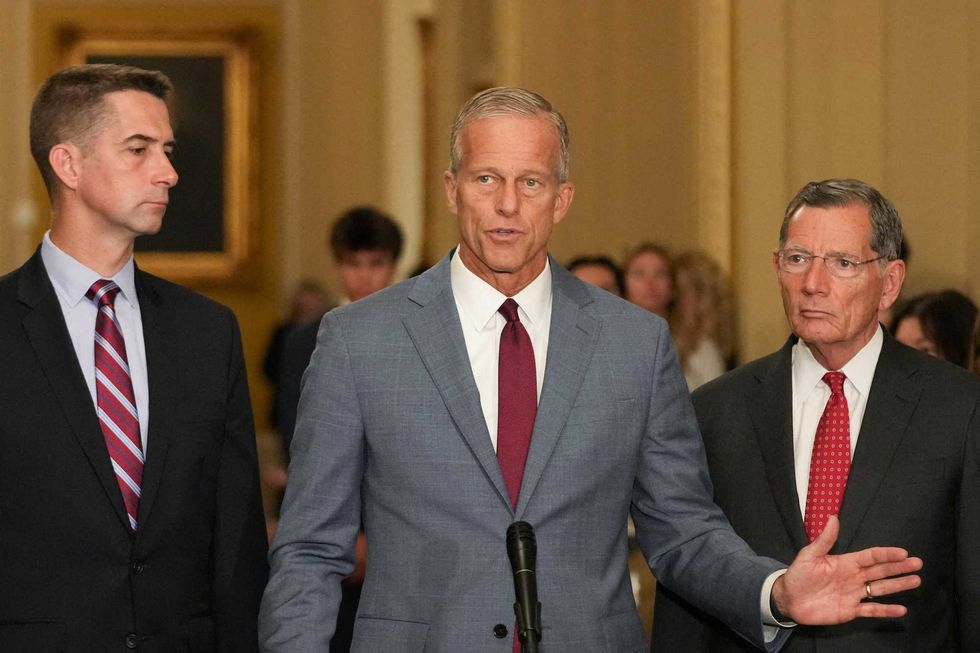
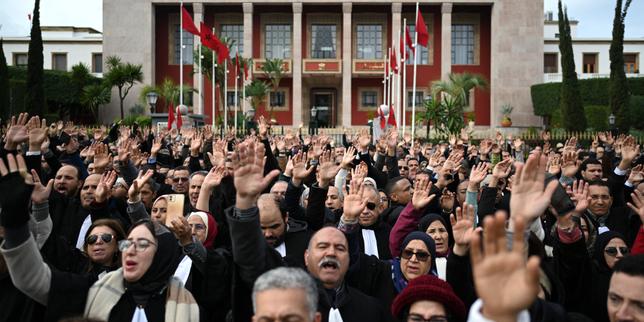
Everyone wants to read a simple story. A high-profile leader tweets or speaks out, demanding that a foreign regime halt executions, and the internet erupts into applause or cynicism. The lazy consensus from mainstream media reads like a predictable script: Western condemnation exerts pressure, moral outrage alters authoritarian behavior, and public statements serve as a direct tool for saving lives on the ground.
It is a comforting illusion. It is also entirely wrong.
When public figures like Donald Trump demand that Iran stop executing protesters, they are playing a role in a predictable theater. But treating that theater as an effective diplomatic or humanitarian strategy demonstrates a profound misunderstanding of how sovereign paranoia and internal state survival actually operate inside Tehran.
Let us look at the mechanics.
The Domestic Survival Trap
Foreign leaders operate under the assumption that authoritarian governments care about international reputation. They do not. Not when their survival is on the line.
When Western leaders loudly demand a halt to domestic crackdowns, they accidentally grant the ruling clerical establishment a powerful narrative weapon. The Islamic Revolutionary Guard Corps does not hear a humanitarian plea. They hear foreign interference. They see a golden opportunity to frame every single protester not as a citizen demanding economic relief or basic freedoms, but as an asset of a hostile foreign power.
I have watched foreign policy analysts misdiagnose this dynamic for decades. They look at sanctions, public rebukes, and angry statements as pressure valves. In reality, for a cornered regime, external pressure accelerates internal consolidation. Every time Washington steps into the ring with a megaphone, the regime uses that exact audio clip on state television to justify harsher measures, mass trials, and expedited sentences.
Public posturing satisfies domestic political audiences in the West. It registers zero positive impact in Evin Prison. In fact, it often shrinks the margin for quiet, behind-the-scenes diplomatic maneuvering that occasionally saves a life before a death sentence hits the docket.
The Fallacy of Transactional Diplomacy
The core misunderstanding stems from applying a transactional, real estate style negotiation framework to a theological-security apparatus that views compromise as existential suicide.
If you negotiate a commercial contract, you find leverage points, apply pressure, and extract concessions. If you apply that same simplistic logic to the Iranian security state, you ignore the internal ecosystem of power. The hardliners inside Tehran do not maintain power through popular consent. They maintain it through the monopoly of violence and the systematic elimination of rival centers of gravity.
When outside leaders treat executions as a negotiable line item rather than a structural symptom of a regime fighting off obsolescence, they misallocate their own capital. Shouting from the sidelines feels proactive, but it substitutes noise for strategy.
Imagine a scenario where Western capitals completely stopped treating human rights abuses as talking points for campaign rallies and instead systematically dismantled the financial obfuscation networks that fund the security apparatus behind those executions. The difference would be immediate. Yet, grandstanding plays better on television than targeting shell companies in offshore jurisdictions.
What People Get Wrong About Sanctions and Statements
Critics often ask: Should leaders stay silent? Does speaking out not show solidarity with the brave people risking everything on the streets of Tehran?
This is the emotional trap. Solidarity matters, but performative solidarity that worsens the security environment of the oppressed is worse than useless; it is dangerous.
The people facing live ammunition on Iranian asphalt do not need another press release from a Western capital expressing deep concern. They need structural disruption of the regime's surveillance technology, unfettered satellite internet access to bypass state blackouts, and the freezing of elite assets hidden in Western financial hubs.
When a leader focuses entirely on demanding that executions stop without backing it up with measures that cripple the operational capacity of the executioners, the demand becomes empty air. It signals to the regime that they can absorb the verbal blow and continue business as usual.
The Real Leverage Nobody Wants to Use
Real power does not live in a tweet or a podium speech. It lives in the unglamorous, tedious work of tracking illicit oil shipments, closing loopholes in banking compliance, and cutting off the digital tools used for facial recognition and crowd suppression.
The mainstream narrative wants you to believe that foreign policy is shaped by moral clarity expressed through bullhorns. History shows the exact opposite. Regimes fall or change their calculus when their ledger no longer balances, not when their feelings are hurt by foreign condemnation.
Stop confusing volume with impact. The shouting match must end if the results are ever going to change.