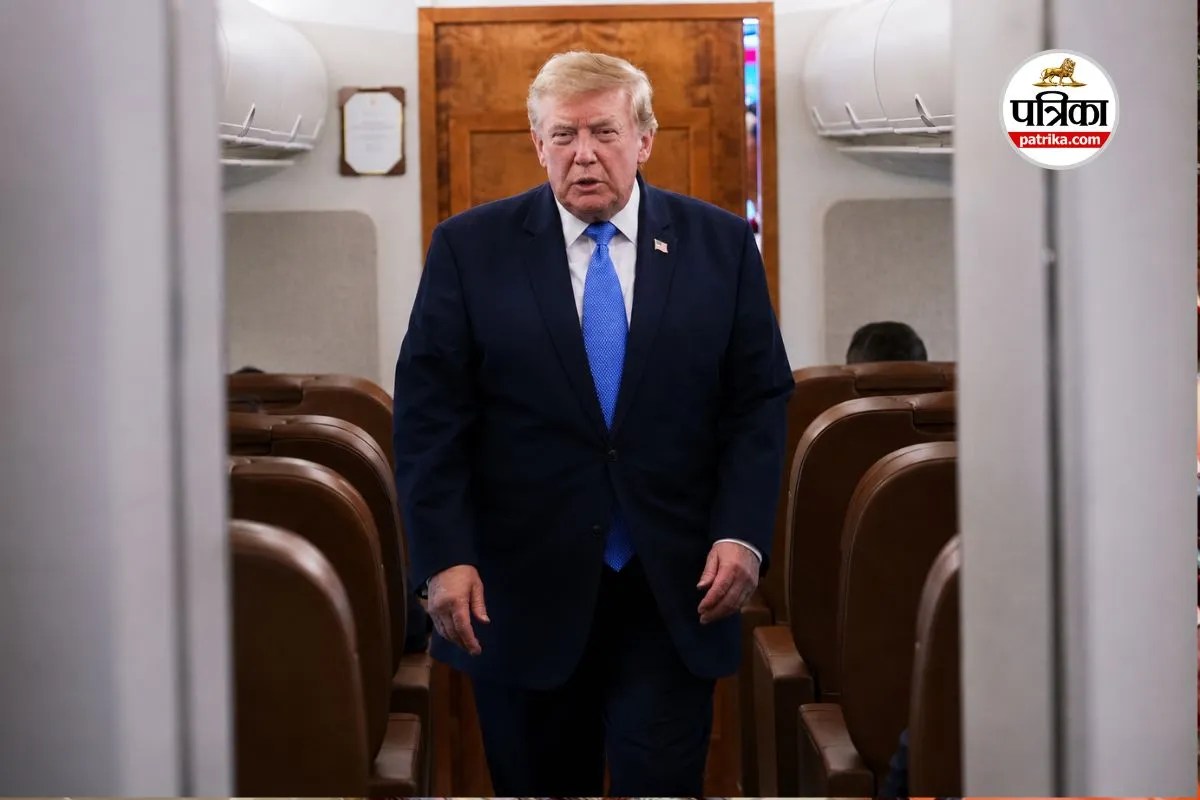
Every time Washington and Tehran trade public insults, the media machine prints the exact same script. Donald Trump drops a fiery quote labeling Iranian leadership double-faced, pointing to secret backchannels that supposedly contradict their public defiance. Pundits nod along. Analysts on cable news furrow their brows and talk about broken trust, diplomatic stalemates, and the impossibility of negotiation.
It is a comfortable narrative. It paints geopolitics as a simple morality play where the bad guys said one thing in private and another in public.
It is also completely naive.
If you think diplomacy fails because politicians are simply being hypocritical, you do not understand how sovereign power operates. Secret talks do not contradict public bluster. They require it. What the mainstream press labels as duplicity is actually the baseline operational protocol of modern statecraft. When a leader rails against an adversary on a global stage while simultaneously negotiating terms behind closed doors, they are not failing at diplomacy. They are executing it.
The Lazy Consensus Of Diplomatic Sincerity
The foundational flaw in mainstream foreign policy analysis is the absurd expectation that nations should act like honest brokers at a Sunday school debate.
When Donald Trump calls Iranian officials double-faced for denying cooperation while backchannel talks occur, he is playing to a domestic audience that demands moral clarity. But looking at state actors through the lens of personal honesty is a rookie error. I have watched corporate executives negotiate multi-billion dollar mergers while actively trashing each other in the press to maintain leverage with their respective boards. State actors operate on a vastly larger scale with infinitely higher stakes.
In high-stakes international negotiations, public rhetoric is a weapon, not a diary entry.
Tehran cannot afford to look soft to its hardline domestic constituents, its regional proxy networks, or its ideological base. If Iranian leadership walked into a room with American envoys and beamed about finding common ground, the regime would face immediate internal destabilization. Public defiance is armor. Private dialogue is survival.
Expecting a sanctioned, ideologically driven regime to broadcast its compromises to the world is like expecting a poker player to announce the contents of their hand to the table. When they deny the talks, they are protecting their position. When Trump calls them out, he is playing his own hand for domestic political consumption.
The Mechanics Of Dual Track Statecraft
Let us strip away the moral outrage and look at the actual machinery of conflict resolution. Real negotiations between hostile powers never happen in the open. They happen in the shadows, through third-party intermediaries, via Swiss embassies, or through encrypted backchannels managed by intelligence agencies.
Imagine a scenario where two hostile nations openly announce every concession, every preliminary thought, and every compromise before a treaty is even drafted. The moment a compromise hits the public wire, domestic opposition groups mobilize, hardliners scream treason, and the deal dies before it breathes.
Secret talks exist precisely because public communication is toxic to compromise.
When Iranian officials sit across from Western interlocutors in a neutral European capital, they are exploring the boundaries of possible survival. They are calculating economic pressures, military deterrents, and regime security. The moment they step outside that room, their survival depends on projecting unyielding hostility toward the Great Satan.
Calling this dynamic double-faced is like calling a trial lawyer a hypocrite because they smile at the opposing counsel in the hallway after tearing them apart in the courtroom. It misunderstands the venue.
The Cost Of Buying The Surface Narrative
When commentators focus on whether Iranian leaders are telling the truth about secret talks, they miss the variables that actually dictate outcomes. They ignore supply chains of illicit oil, currency devaluation rates, domestic protest movements, and military positioning in the Persian Gulf.
Focusing on political hypocrisy is a distraction. It provides cheap headlines while obscuring the real leverage points.
Consider the economic reality. Iran operates under a siege economy. Its leadership faces an existential domestic crisis driven by inflation, water scarcity, and a restless youth demographic that despises theocratic governance. Secret talks are not born of goodwill or a sudden desire for friendship with Washington. They are born of desperation.
Conversely, Washington uses public call-outs to maintain maximum pressure, reassure regional allies like Israel and the Gulf states, and signal strength to domestic voters. Trump labeling them two-faced is not an analytical breakthrough; it is a tactical move designed to box Tehran into a corner where they must choose between economic collapse and capitulation.
If you judge this dynamic by who is being honest, you are grading a heavyweight boxing match on table manners.
Why The Critics Are Looking In The Wrong Direction
The standard critique of this diplomatic theater usually argues that aggressive rhetoric destroys trust and makes peace impossible.
That argument crumbles under historical weight. Peace agreements are rarely forged by trusting partners. They are forged by bitter enemies who realize that the cost of continued conflict outweighs the cost of a bad compromise. The Camp David Accords, the Iran Nuclear Deal, the normalization pacts in the Middle East—none of these were born from mutual admiration or transparent communication. They were transactional arrangements hammered out by cynical operators who distrusted each other profoundly.
When analysts whine about politicians lying about backchannel talks, they are betraying a fundamental ignorance of how power maintains equilibrium. Trust is a luxury for peacetime alliances. In adversarial relations, verification, leverage, and fear are the only currencies that clear the bank.
Stop Falling For The Performance
The next time a politician exposes a secret negotiation to score cheap political points, or a reporter acts shocked that a regime denied talking to its enemies, ignore the theater.
Look at the balance sheets. Look at where the warships are moving. Look at the flow of capital and the internal stability metrics of the regime in question.
The Iranian leadership is not double-faced. They are rational actors fighting for regime preservation using every tool available in a high-stakes, asymmetric environment. And the politicians calling them out are doing the exact same thing.
Stop looking for honesty in a war zone.