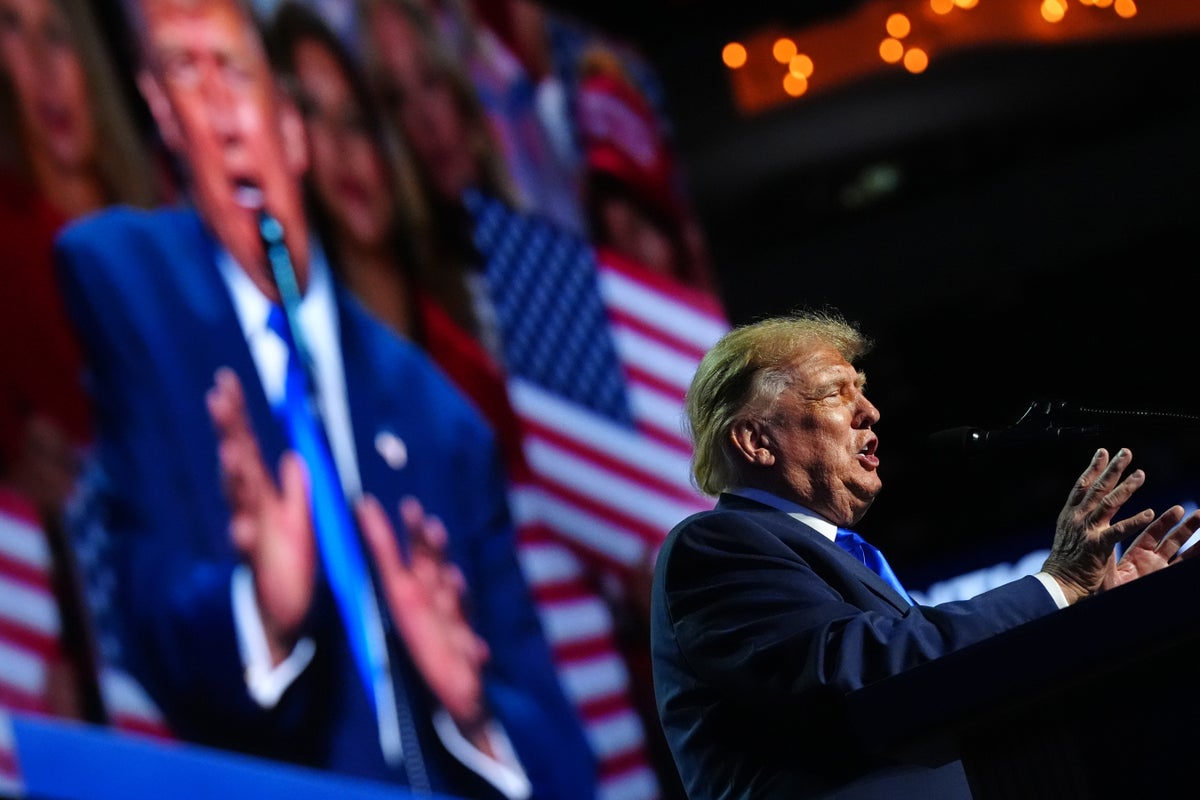
Campaign rallies are built on big moments. They thrive on roaring crowds, sharp soundbites, and sweeping financial pledges that sound too good to ignore. During various election cycles, Donald Trump has leaned heavily into this playbook. He drops bold ideas about eliminating taxes on tips, slashing rates for overtime work, or sending direct financial relief straight to household budgets.
People hear these lines and hold onto hope. Bills are piling up. Groceries cost a fortune. Rent keeps climbing. Yet months after the applause fades, the reality settles in. Millions of everyday Americans are still waiting to see a single extra dollar hit their bank accounts.
We need to look past the campaign trail rhetoric and understand why these sweeping cash promises rarely materialize the way voters expect. The gap between a stadium pitch and actual legislation is wide, expensive, and filled with political hurdles.
The Mechanics of Empty Promises
Politicians love talking about tax cuts and direct relief because it instantly connects with voters. But wanting to put money back into people's pockets is very different from passing a functional law.
When you hear a candidate promise to eliminate federal income tax on tips or overtime pay, your first thought is probably about how much breathing room that would give your monthly budget. Service workers, hospitality staff, and hourly employees work grueling hours. Letting them keep more of that specific income sounds fair.
The trouble starts with the math. Federal revenue does not magically refill itself when you carve out massive exemptions. Lawmakers have to figure out where that missing money comes from. Do they raise taxes somewhere else? Do they slash funding for public services? Or do they just add billions to the national debt?
These questions stall bills in Congress for months, sometimes years. Special interest groups step in. Lobbyists rewrite provisions. By the time a proposal limps through committee hearings, it looks nothing like the simple, punchy promise made on a campaign stage.
Where the Proposals Stand Right Now
Let's look at the specific financial pledges that drew the most attention.
- No Tax on Tips: The idea gained traction quickly among service workers in states like Nevada. Critics pointed out that high earners might try to rebrand their compensation as tips to dodge taxes, while many low-income workers already owe little to no federal income tax.
- Overtime Tax Exemptions: Aimed at factory workers, nurses, and truck drivers working extra shifts. Economists warned this could incentivize employers to cut base pay while inflating overtime hours to game the system.
- Tariff-Funded Rebates: Proposals to replace income taxes or fund domestic dividends entirely through sweeping import tariffs. Trade experts argued this would trigger massive inflation, driving up the cost of everyday goods faster than any cash rebate could compensate.
None of these concepts have transformed into permanent, reliable financial relief for the average household. They remain talking points, legislative drafts, or partisan talking points designed to win news cycles rather than balance checkbooks.
Why Voters Keep Falling for It
Hope is a powerful motivator. When inflation eats away at your purchasing power year after year, hearing someone say they have a magic bullet to fix your finances feels like a lifeline.
Campaigns understand this psychology well. They know voters do not want to hear about CBO scoring, deficit projections, or bicameral legislative compromises. Voters want to hear that help is on the way.
This dynamic creates a cycle of recurring disappointment. Every few years, a new set of financial promises rolls out. People get excited. Fact-checkers point out the logistical impossibilities. Politicians double down anyway. And the baseline financial reality for the working class remains unchanged.
Protecting Your Personal Finances
Waiting around for federal tax overhauls or sudden cash windfalls from Washington is a losing strategy. If you want financial stability, you have to build it outside the political theater.
Take a hard look at your current budget. Assume no new tax cuts are coming. Assume grocery prices and utility bills will stay high. Build an emergency fund that covers at least three months of essential expenses, even if you can only squirrel away twenty bucks a paycheck to start.
Focus on variables you can control. Negotiate your pay directly with your employer based on your performance and market rates. Cut subscription services you barely use. Pay down high-interest debt aggressively.
Campaign cash promises make for great headlines, but your financial future depends entirely on the choices you make when the cameras turn off. Stop waiting for a political savior and take control of your own ledger today.