Donald Trump just dropped a diplomatic hammer that most people didn't see coming. On Thursday, April 16, 2026, he announced a 10-day ceasefire between Israel and Lebanon. It’s a short window, basically a blink in geopolitical terms, but the stakes couldn't be higher. While everyone's obsessing over the temporary silence of the guns in southern Lebanon, the real story is what’s happening in the shadows between Washington and Tehran.
This isn't just about stopping rockets for a few days. It's a high-stakes squeeze play. Trump’s administration is currently enforcing a massive naval blockade on Iranian ports, and he’s using this Lebanon truce as a carrot—or maybe a very sharp stick—to force Iran to a permanent bargaining table by the weekend. Meanwhile, you can read similar developments here: The Sky Above the Atacama.
The 10 Day Countdown in Lebanon
The ceasefire officially kicked off at 5 p.m. EST on Thursday. It’s designed to give "breathing room," as Trump put it on Truth Social. After weeks of brutal exchanges that displaced over a million people and killed thousands, the IDF and Hezbollah have hit a pause button. But don't mistake this for a sudden outbreak of pacifism.
Israel spent the 24 hours leading up to the deadline absolutely hammering Hezbollah targets. We're talking hundreds of strikes. They wanted to make sure they left the "party" with the last word. Meanwhile, Lebanon’s President Joseph Aoun and Prime Minister Benjamin Netanyahu are reportedly being invited to the White House. If that actually happens, it’ll be the first time leaders from these two countries have sat in the same room in over 30 years. To see the bigger picture, check out the excellent report by NPR.
Why this truce feels different
- The Duration: Ten days is incredibly specific. It's not an "indefinite" pause; it’s a deadline.
- The Exclusion: Trump didn't even mention Hezbollah by name. He’s dealing with the Lebanese government directly, trying to sideline the militants.
- The Pressure: It’s happening while the U.S. military is literally surrounding Iranian shipping lanes.
The Iran Connection and the Weekend Gamble
You can't talk about Lebanon without talking about Iran. They're the ones funding the show. Right now, the U.S. is running "Operation Epic Fury," and it’s as intense as it sounds. Over a dozen warships and 10,000 sailors are currently blocking Iranian ports. CENTCOM says they’ve already forced 14 ships to turn around.
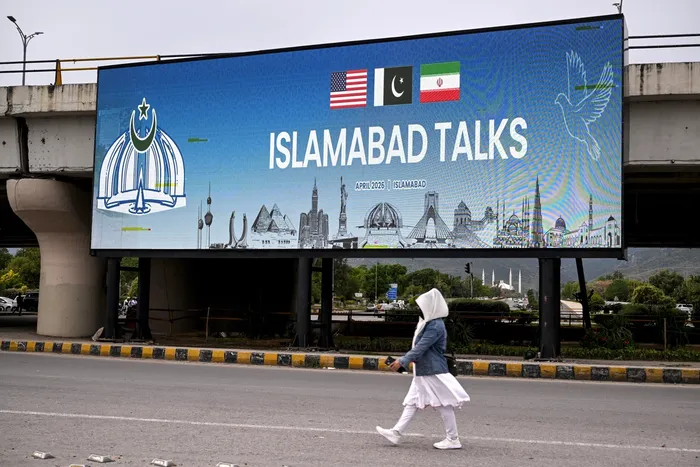
Trump’s strategy is simple: choke the economy until the regime has no choice but to talk. There are reports that U.S. and Iranian officials might meet in Pakistan as early as this weekend. This would be a massive follow-up to the fragile two-week truce between the U.S. and Iran that’s currently hanging by a thread.
The Sticking Points
The Iranians aren't just going to roll over. Their U.N. Ambassador, Amir Saeid Iravani, says they’re "cautiously optimistic" but deeply mistrustful. They want the blockade lifted and sanctions scrapped. On the other side, Secretary of War Pete Hegseth isn't playing nice. He’s told the Iranian regime to "choose wisely," or the U.S. will swap the blockade for bombs on their energy infrastructure.
What’s Actually at Stake for You
You might think this is just another Middle East skirmish, but it's hitting your wallet. The effective closure of the Strait of Hormuz sent oil prices through the roof. If this 10-day ceasefire leads to a real breakthrough with Iran this weekend, you’ll see it at the gas pump. If it fails? Expect energy markets to go into a full-blown tailspin.
There’s also the human cost that’s often ignored in the "Grand Strategy" talk. Organizations like the International Rescue Committee are scrambling to use these ten days to get food and medicine to 1.3 million displaced people in Lebanon. For them, this isn't a diplomatic maneuver; it’s a literal lifeline.
The Real Risks of Trump's Approach
Trump’s betting that Iran has a lower pain threshold than the United States. It's a gamble. Iran has spent decades learning how to survive under sanctions. They’re a hardline regime that doesn't mind if their people suffer, as long as the leadership stays in power.
Meanwhile, the U.S. is a democracy. If gas prices stay high and the "blockade" turns into a "shooting war," the political pressure on the White House will become unbearable. Trump needs a win, and he needs it fast. That’s why he’s pushing for a meeting this weekend. He wants to clinch a deal before the American public loses patience with the economic fallout of another foreign conflict.
How to Track the Next 48 Hours
The next two days are going to be a whirlwind of "unnamed sources" and conflicting reports. If you want to know if this is actually working, don't watch the news anchors—watch the shipping data.
- Monitor the Strait of Hormuz: If tankers start moving again, a deal is close.
- Watch the Rhetoric out of Tehran: If the Supreme Leader’s office starts toning down the "Great Satan" talk, they’re getting ready to sign something.
- Check for White House Arrivals: If Aoun and Netanyahu actually show up in D.C., the 10-day ceasefire just became a permanent shift in the region's history.
This is a high-wire act with no safety net. Trump has successfully frozen the fighting in Lebanon for a week and a half. Now, he has to see if he can turn that "breathing room" into a total regional reset. Grab your coffee; it’s going to be a long weekend.