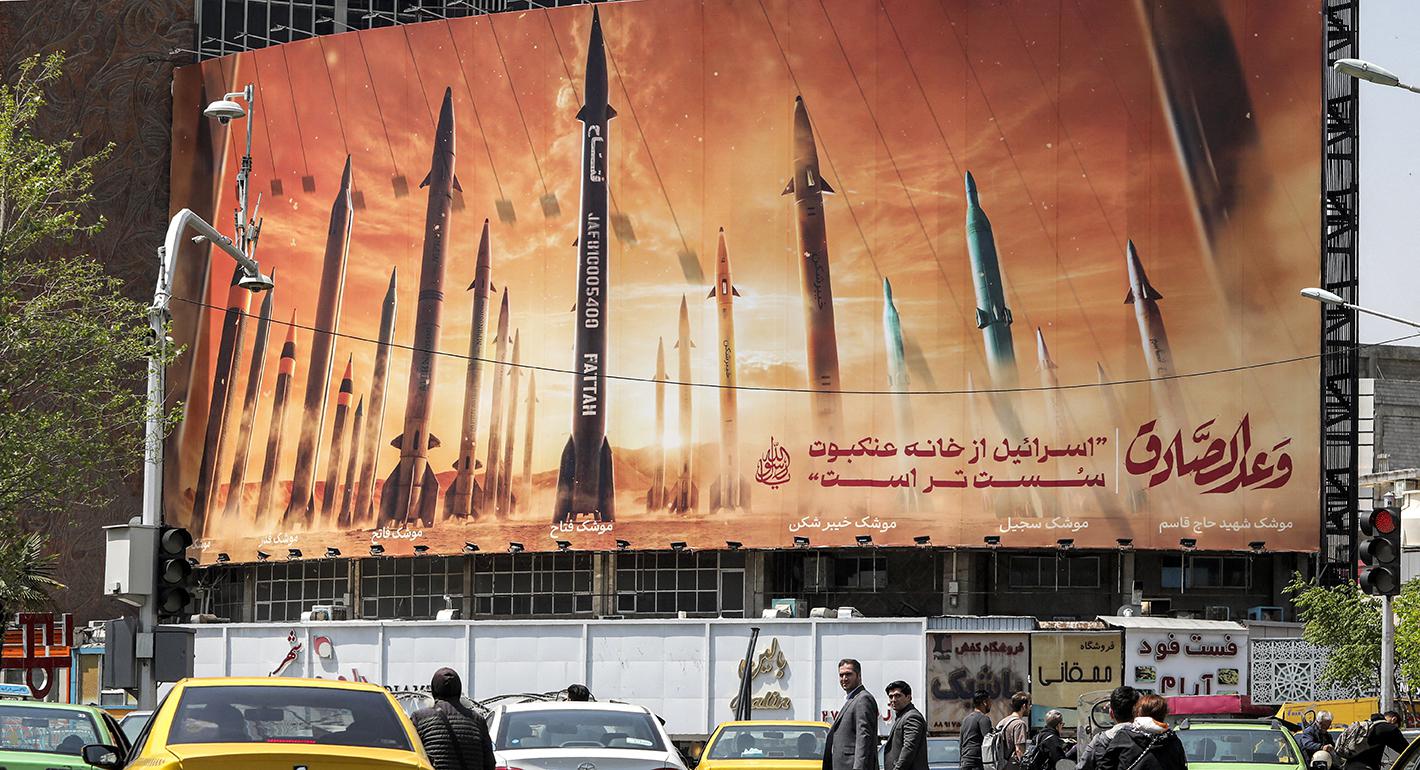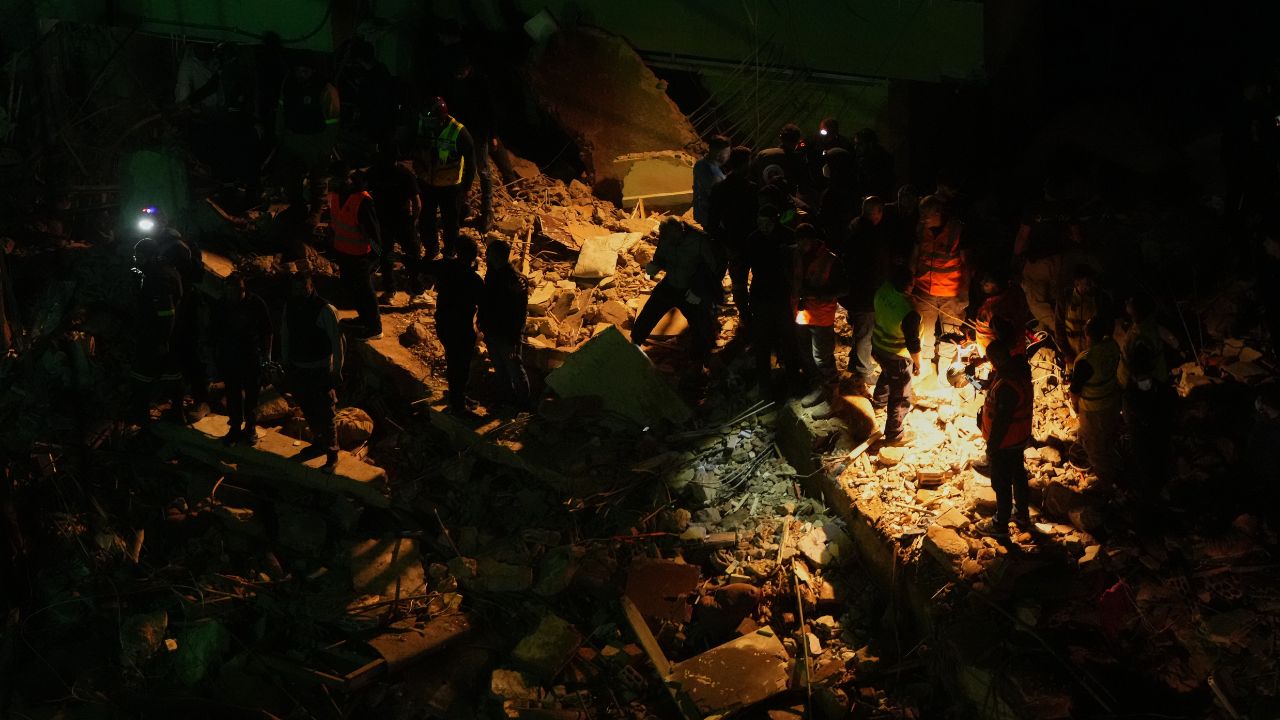
Donald Trump just gave Iran a one-week deadline to sign a "one-page" peace deal or face a fresh wave of bombing. Honestly, it sounds like classic Trump theater, but the stakes this time are as real as they get. The Strait of Hormuz is effectively a parking lot for oil tankers, global energy markets are twitching, and we're currently staring at $4.50 a gallon at the pump. Everyone wants to know if the "Epic Fury" military operation is actually ending or if we're just in the eye of the storm.
I’ve watched these geopolitical standoffs play out for years, and they usually follow a predictable pattern of posturing and retreats. But this 2026 conflict is different. We aren't just talking about sanctions anymore. We’re talking about a US naval blockade of Iranian ports and a counter-blockade of the world’s most vital energy artery. Here’s the reality of what’s happening on the ground and why you should care.
The one page that could end a war
Washington has reportedly handed Tehran a memorandum of understanding that fits on a single sheet of paper. It’s a bold move. Instead of a 500-page technical manual that nobody reads, it’s a list of 14 points designed to stop the bleeding. The core of the deal is simple: a 30-day window for deeper negotiations in exchange for an immediate end to hostilities.
The US wants a 15-year moratorium on uranium enrichment and for Iran to ship its stockpile of highly enriched uranium out of the country—possibly even to the US. In return, the US would lift its crippling naval blockade and release billions in frozen Iranian funds. It's a "stop the world" button for a conflict that started back in February.
Why the Strait of Hormuz is the only thing that matters right now
You’ve probably seen the headlines about the HMM Namu, that South Korean cargo ship that caught fire in the Strait this week. Iran says they didn't do it. The US says they did. Regardless of who pulled the trigger, the result is the same: the Strait is a ghost town.
Iran knows that closing this waterway is their only real leverage. About 20% of the world's liquid petroleum passes through here. When the Strait closes, the world economy chokes. The proposed deal aims to reopen the route "to all" within 30 days. If that doesn't happen, Trump’s "Epic Fury" becomes a permanent reality, and we’ll be lucky to see gas under $5 again this year.
Trump's ultimatum and the Pakistani backchannel
Trump isn't playing the traditional diplomatic game. He's posting on Truth Social that "the bombing starts" if Iran doesn't agree. It's blunt. It’s aggressive. And it's exactly how he’s trying to force a signature. While he’s talking tough publicly, his team—led by Steve Whitkoff and Jared Kushner—is quietly working through Pakistani mediators.
Pakistan has become the indispensable middleman here. Most of the heavy lifting is happening in Islamabad. The Pakistanis are trying to bridge the gap between Trump's "wishlist" and Iran’s demand for dignity. Iran’s President Masoud Pezeshkian recently met with the new Supreme Leader, Mojtaba Khamenei, likely to get the final green light on how to respond without looking like they’re surrendering.
What experts get wrong about Iran's "delays"
Most talking heads on TV say Iran is just stalling for time. I don't think that’s it. Tehran is dealing with a massive internal power shift following the injuries to the previous Supreme Leader. They aren't just stalling; they're calibrating. They need to know that if they give up their uranium, Trump won't just slap the sanctions back on three months from now.
There's also a major sticking point with Lebanon. Iran wants the US to "restrain its dog" (referring to Israel) in Lebanon as part of the deal. The US claims the ceasefire doesn't cover Lebanon. This mismatch is exactly why these talks often fall apart at the last minute.
What happens if the deal fails
If the response from Tehran—expected any minute now—is a "no," expect immediate escalation.
- Airstrikes: Trump has already threatened to hit Iranian power plants and infrastructure.
- Naval Skirmishes: The US military just shot the rudder off an Iranian tanker trying to break the blockade. Expect more of that.
- Market Chaos: Oil prices fell on news of a potential deal. If it collapses, they’ll skyrocket.
Basically, we're in a holding pattern. The US has even paused "Project Freedom"—the plan to escort commercial ships through the Strait—to give these talks room to breathe.
If you're looking for the next move, watch the Pakistani Foreign Ministry. They’ll be the first to signal if the 14 points have been accepted. Until then, keep an eye on the gas station signs. They’re the most honest indicator of how these talks are actually going. Check the latest updates from verified regional sources to see if that one-week deadline holds or if we're headed for a very long summer.
Amanpour untangles Hormuz negotiation nuance
This video provides a breakdown of the current negotiations and the complexities of the maritime rules Iran is attempting to establish in the Strait.