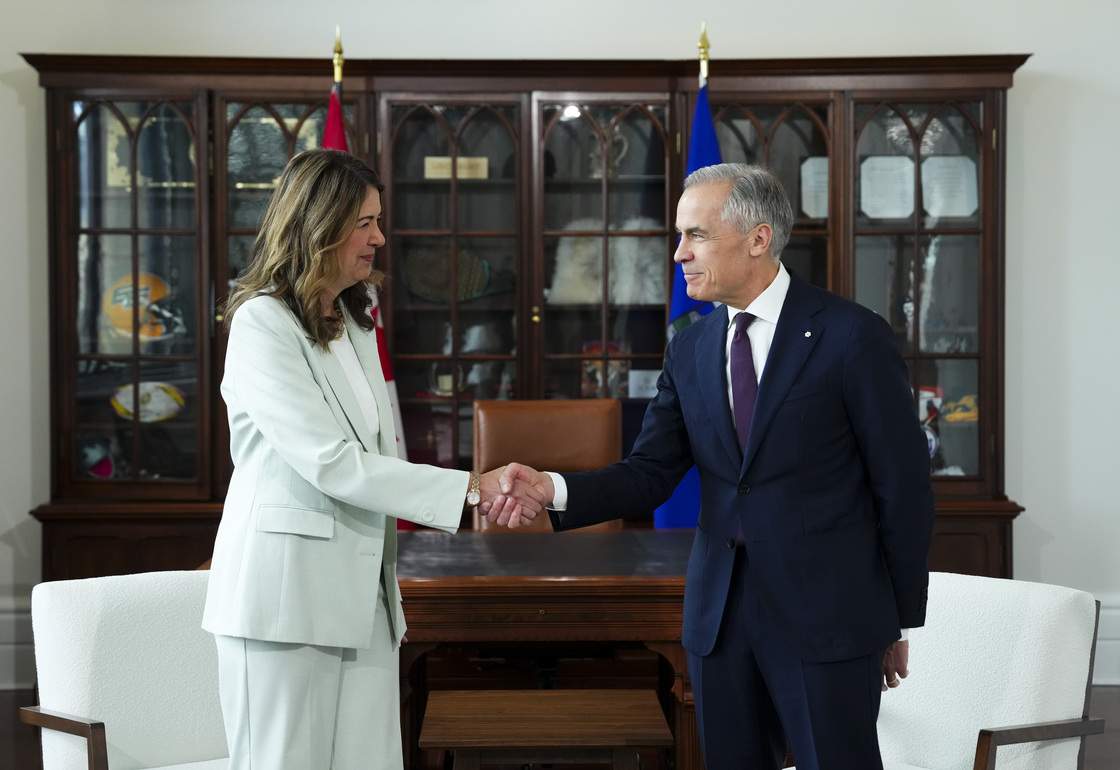
Donald Trump just did something that usually makes State Department officials spill their coffee. He sat down with Xi Jinping, looked him in the eye, and spent a good chunk of time talking about whether the U.S. should keep selling weapons to Taiwan.
On his way back from the Beijing summit today, May 15, 2026, Trump told reporters on Air Force One that he hasn't made a final call on a pending $14 billion arms package. The real shocker isn't the delay—it's the fact that he's negotiating it with Beijing at all. For decades, the "Six Assurances" have dictated that the U.S. doesn't consult China on what it sells to Taipei. Trump just tossed that playbook out the window.
The Art of the Taiwan Deal
You've got to understand how radical this shift is. Historically, U.S. arms sales to Taiwan are treated like a non-negotiable legal obligation under the Taiwan Relations Act. We don't ask Beijing for permission. But Trump is treating this like a real estate transaction. He basically admitted he heard Xi out on why China hates these sales and said he’d make a "determination" soon.
This isn't just about missiles and radar systems. It's about leverage. Trump wants three things from China right now:
- Help ending the war with Iran.
- A massive purchase of Boeing jets (he mentioned maybe 200 of them).
- A new three-way nuclear deal involving Russia.
If you're sitting in Taipei, you're probably wondering if you're the "chip" being traded for better soy prices or a ceasefire in the Middle East. It’s a high-stakes gamble that ignores the traditional "strategic ambiguity" the U.S. has clung to for forty years.
Breaking the Six Assurances
Let's talk about the 1982 Six Assurances. One of those explicit promises is that the U.S. side has not agreed to consult with the PRC on arms sales to Taiwan. By discussing the specifics of a $14 billion package with Xi, Trump has effectively bypassed that barrier.
The package in question is massive. It's rumored to include Patriot missile interceptors and advanced surface-to-air missiles. These aren't just toys; they’re the "Taiwan Dome" tech intended to make the island a "porcupine" that China can't swallow. China’s response has been predictable. Xi warned that "mishandling" Taiwan leads to conflict. Usually, a U.S. president would ignore that rhetoric and sign the check. Trump, instead, said he "heard him out" and "didn't make a comment."
What Happens to the Porcupine Strategy
Defense experts like Bonnie Glaser have argued that these sales are the only thing stopping a full-scale invasion. The logic is simple: make the cost of crossing the Strait so high that Xi Jinping never gives the order.
But Trump has a different logic. He’s previously complained that Taiwan should "pay" for its protection, suggesting they should spend up to 10% of their GDP on defense. For context, most NATO allies struggle to hit 2%. By holding up the $14 billion sale, Trump is likely pressuring Taiwan's President Lai Ching-te to pony up more cash or buy more American goods.
It's a "pay to play" foreign policy. It’s direct, it's transactional, and it's making everyone in the traditional foreign policy establishment incredibly nervous.
The China Trade Connection
Don't ignore the timing. Trump mentioned that China might buy billions in soybeans and hundreds of planes. He’s also looking for a "reciprocal tariff reduction."
If he blocks the Taiwan arms sale, he gets a "win" with Xi that might unlock these trade deals. If he approves the sale, he risks the trade deal falling apart. It’s a classic squeeze. But foreign policy isn't a business deal. If the U.S. stops arming Taiwan, the power balance in the Pacific doesn't just shift—it collapses.
What You Should Watch For Next
The "short period of time" Trump mentioned for his decision likely means the next few weeks. Keep an eye on these specific triggers:
- The Boeing Order: if a massive contract is signed, see if the Taiwan arms package suddenly gets "restructured" or delayed further.
- The Strait of Hormuz: Trump wants China to help reopen this waterway. If Xi makes a move there, expect a concession on Taiwan.
- The Phone Call: Trump hinted he might talk to "the person running Taiwan" (President Lai). A direct call between the two would be a massive middle finger to Beijing, even if the arms sale stays on ice.
Stop looking at this as a diplomatic failure or a success. Look at it as a liquidation sale. Everything is on the table, and for the first time, that includes the very weapons meant to keep a war from starting. If you're invested in defense stocks or tech manufacturing in the region, start hedging. The old rules are dead.
Keep your eyes on the State Department’s mandatory notifications to Congress. If those don't land by June, the delay is no longer tactical—it's a policy shift. Check the official trade boards being set up between the two countries; they’ll tell you more about the future of Taiwan than any press release from the White House ever will.