Diplomacy rarely breaks down with quiet whispers. Instead, it shatters through live television interviews and aggressive social media posts. As the sixty-day negotiation window established by the June memorandum of understanding between Washington and Tehran officially expired, President Donald Trump escalated tensions not just with Iran, but with a longtime American security partner in the region.
If you're wondering how a routine diplomatic deadline turned into a threat against a key Gulf ally, you have to look closely at the crumbling architecture of the current Middle East conflict. The stakes couldn't be higher. Oil prices immediately jumped past ninety-one dollars a barrel as markets registered the failure of the interim accord.
The Anatomy of a Broken Deadline
Back on June 17, high hopes accompanied the memorandum of understanding signed at the Palace of Versailles. It set a strict sixty-day timeframe to hammer out a lasting agreement addressing broader security concerns, most notably Iran's nuclear program. It also mandated an immediate pause in military operations.
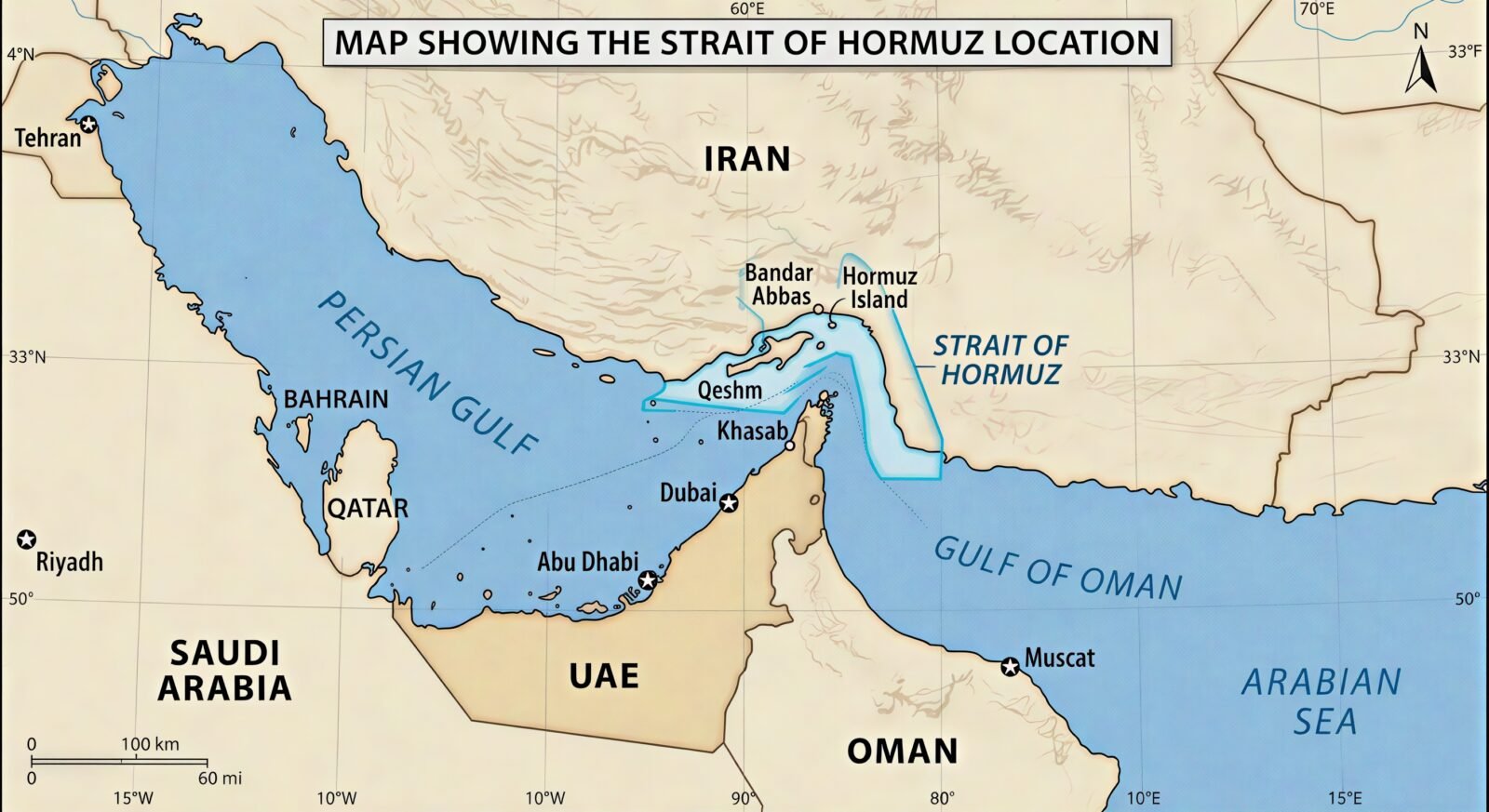
That fragile pause didn't survive the realities on the ground. Control over the Strait of Hormuz—the vital maritime chokepoint through which roughly a fifth of global seaborne oil supply moves—remained a permanent flashpoint. Iran sits to the north of the strait, while Oman guards the southern coast. As talks between Muscat and Tehran over shipping routes and fee structures continued, Washington grew increasingly impatient.
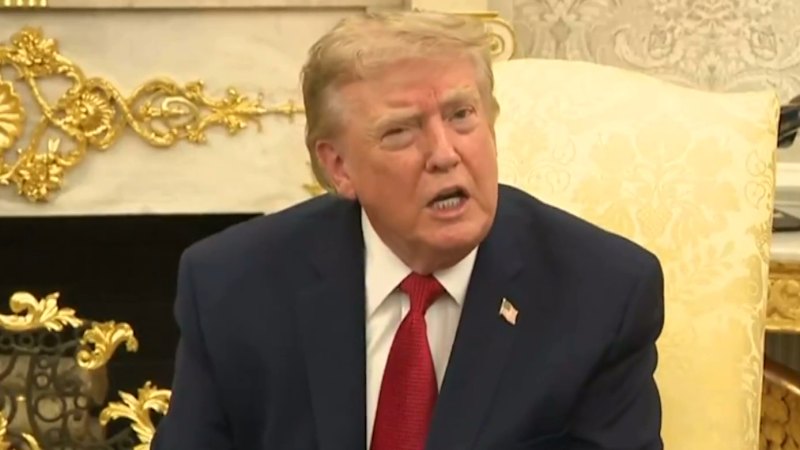
Trump made his frustration crystal clear during a Monday appearance on Fox News. When asked about the stalled diplomatic efforts and Oman's mediating role, the president issued a blunt warning.
"If Oman gets in the way, we'll bomb the shit out of them," Trump stated.
Why Target Oman?
The threat stunned foreign policy observers for a simple reason. Oman is not an enemy combatant. For decades, the Gulf nation of 5.3 million people has served as a trusted strategic partner and a vital backchannel for communication between Washington and Tehran.
Muscat has historically walked a careful diplomatic tightrope, maintaining friendly ties with Western powers while keeping channels open with regional adversaries. Yet, Trump's administration views any independent maneuvering over the Strait of Hormuz as a direct obstacle to American terms.
Iran's foreign ministry maintained that discussions with Oman regarding future shipping lanes continued in earnest despite the expiration of the deadline. Meanwhile, senior Iranian officials signaled that Tehran would pivot to a fully offensive military stance now that the diplomatic track has hit a brick wall.
The Broader Strategic Fallout
Dismissing concerns about depleted military stockpiles after nearly six months of active conflict, Trump claimed that U.S. munitions expended so far amounted to "peanuts". He also reiterated his baseline demand on Truth Social: Iran cannot be allowed to acquire a nuclear weapon under any circumstances.
Yet, treating traditional regional partners like potential targets creates a dangerous precedent. When diplomacy relies on coercion directed at mediators rather than adversaries, alliances fracture. The breakdown of the sixty-day window leaves international markets vulnerable and pushes the region deeper into instability.
Watch the Strait of Hormuz closely in the coming days. If the standoff hardens, the economic shockwaves will hit global energy markets long before any permanent political settlement takes shape.
Deadline for Iran peace deal expires as Trump threatens to bomb Oman if it interferes
This video provides a news broadcast detailing the expiration of the 60-day peace deal deadline and President Trump's threats against Oman regarding the Strait of Hormuz.