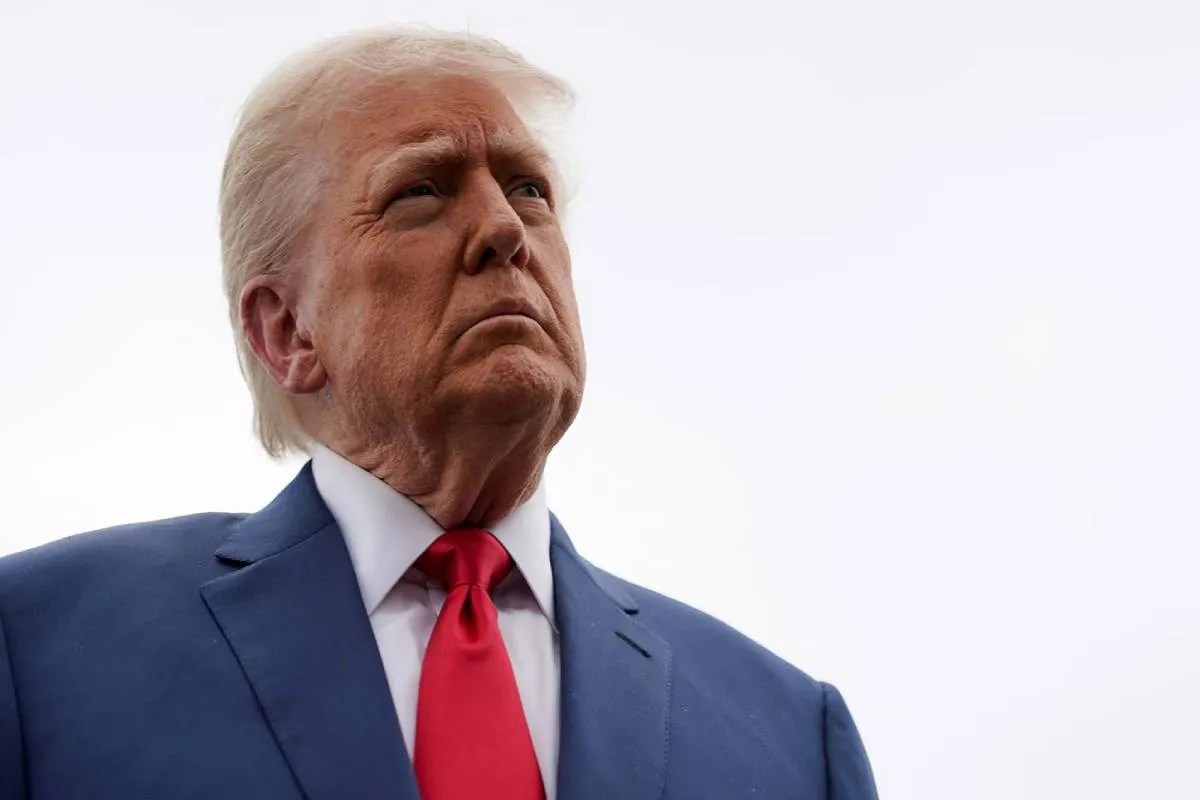
Donald Trump just threw a massive wrench into the delicate machinery of Middle East diplomacy. Over the weekend, during a high-stakes conference call with several Arab and Muslim leaders, Trump made a declaration that caught almost everyone off guard. He wants an emerging peace deal with Iran to act as a forcing mechanism to expand the Abraham Accords. Basically, if you want a seat at the table for the post-war security architecture in the region, you have to recognize Israel first.
It is a classic high-stakes poker move. The United States and Iran have been inching toward a memorandum of understanding to end the devastating conflict that erupted earlier this year. That war saw direct U.S. and Israeli strikes against Iran on February 28, followed by Iranian retaliatory strikes on Gulf energy infrastructure. A fragile ceasefire took hold in April, but the economic scars remain. Specifically, world oil prices are still reeling from shipping restrictions in the vital Strait of Hormuz.
Trump claims negotiations with Tehran are "proceeding nicely." But he's also making it clear that a signature from Iran isn't enough. He wants a regional reset. On Truth Social, Trump explicitly stated it should be "mandatory" for nations involved in the discussions to simultaneously sign onto the Abraham Accords. He name-dropped Saudi Arabia, Qatar, Pakistan, Turkey, Egypt, and Jordan.
The Awkward Silence on the Line
When Trump dropped this demand during his Saturday phone call, the reaction from the leaders on the other end wasn't exactly enthusiastic applause. According to intelligence leaks reported by Axios, the request was met with total silence. Trump reportedly had to joke and ask the leaders if they were still on the line.
You can't really blame them for sweating. For countries like Saudi Arabia, Qatar, and Pakistan, formal recognition of Israel is a political landmine. Saudi Arabia's Crown Prince Mohammed bin Salman has stated repeatedly that the kingdom won't formalize ties without a clear, undeniable path toward a two-state solution for Palestinians. Trump’s mandatory demand essentially asks these leaders to abandon that leverage overnight in exchange for a deal with an Iranian regime they don't even trust.
Interestingly, Trump's list included Egypt, Jordan, and Turkey. These nations have actually maintained formal diplomatic ties with Israel for decades. Trump demanding they sign the Abraham Accords suggests he isn't just looking for basic recognition. He wants them integrated into a much more structured, U.S.-backed regional economic and military bloc.
Why Israel Is Terrified of the Current Deal
To understand why Trump is pushing this normalization angle so hard right now, you have to look at what's happening behind the scenes in Jerusalem. Benjamin Netanyahu's government is deeply alarmed by the terms of the emerging U.S.-Iran agreement.
Israeli intelligence and political figures are warning that the deal doesn't serve Israel's long-term security interests. Reports indicate the current framework focuses heavily on immediate economic fixes:
- Reopening the Strait of Hormuz to commercial traffic within 30 days.
- Lifting the U.S. naval blockade on Iran within that same window.
- Kicking the can down the road on Iran's ballistic missile and nuclear programs.
To Israel, this looks like a massive concession to Tehran just to lower global oil prices. By forcing Arab states to normalize relations with Israel as part of the package, Trump is trying to hand Netanyahu a massive political win to soften the blow. It's a way to say, "Yes, Iran gets its blockade lifted, but you get formal recognition from Riyadh, Doha, and Islamabad."
The Geopolitical Reality Check
Can you actually force a historic diplomatic realignment through a social media post and a tense phone call? It's highly doubtful.
First, look at the timeline. Saudi Arabia is highly unlikely to make any major diplomatic moves regarding Israel before the upcoming Israeli elections, which must happen by October. The political risk for Riyadh is just too high to hand a win to the current Israeli government without getting massive concessions on the Palestinian issue in return.
Second, Iran has its own domestic hardliners to appease. While Iranian state media notes that negotiators are haggling over "one or two" final issues regarding the administration of the Strait of Hormuz alongside Oman, the idea of Iran entering a "world coalition" that includes Israel is pure fantasy. Trump mused that it would be "an honor" to have Iran join the Abraham Accords eventually, but Tehran’s entire regional identity is built on opposition to Israel.
U.S. Secretary of State Marco Rubio, speaking from New Delhi, played the traditional diplomat, noting the U.S. will give diplomacy every chance to succeed before exploring alternatives. Meanwhile, hawkish senators like Lindsey Graham are already issuing threats, stating that any Arab ally refusing Trump’s normalization demand will face "severe repercussions" for their future relationship with Washington.
What Happens Next
We are entering a volatile, fast-moving window for global politics. If you're tracking how this impacts global markets, regional stability, or energy prices, you need to watch three specific friction points over the next two weeks.
Look for whether the U.S. and Iran sign the initial 60-day shipping agreement without the normalization clause. If they do, Trump’s "mandatory" demand was just public posturing. If the text gets delayed, it means Washington is genuinely stalling the peace process to squeeze concessions out of Riyadh and Doha.
Watch the oil markets and shipping data in the Strait of Hormuz. If Iran starts easing restrictions ahead of a formal signature, it signals they're desperate for sanction relief and might tolerate Trump's rhetoric. If insurance premiums for Gulf tankers spike again, it means the deal is stalling.
Monitor the backchannel diplomatic leaks between Washington and Jerusalem. Netanyahu needs a massive win to justify a U.S.-Iran deal to his cabinet. If Jared Kushner and Steve Witkoff—whom Trump tasked with leading the Accords push—cannot secure a firm commitment from at least one major new Arab nation soon, expect Israel to actively lobby U.S. congressional allies to tank the entire Iran deal before the ink even dries.