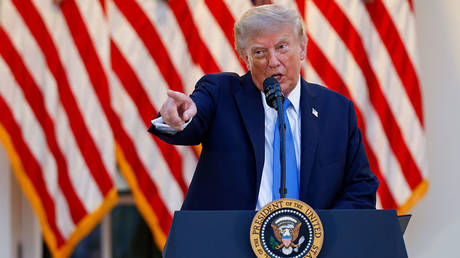
Donald Trump wants a refund. He recently announced that the United States will demand hundreds of billions of dollars back from European allies, claiming they caught a free ride while the Biden administration emptied American military stockpiles for Ukraine.
If you've been following foreign policy shifts, this isn't entirely shocking. It is, however, a massive escalation in financial brinkmanship.
The Core Grievance Behind the Demand
Trump took to social media to air his frustrations, pointing out that past military assistance was handed over without an immediate bill. His argument relies on a straightforward premise: European nations share a continent with the conflict, meaning they should have footed the bill from day one.
The White House has frequently criticized the sheer volume of equipment sent abroad. According to administration statements, the previous administration's packages severely drained domestic missile defense inventories.
Trump framed the issue bluntly. Hundreds of billions went out free of charge, and he expects Europe to square up, even if the invoice is coming late.
How the Numbers Stack Up
Critics and fiscal watchdogs often clash over the exact totals. Trump frequently cites figures ranging north of three hundred billion dollars when combining direct equipment transfers and broader economic impacts.
Independent trackers, like the Kiel Institute for the World Economy, paint a slightly different picture of direct bilateral assistance. They note that European nations collectively have poured massive funding into Kyiv's defense, occasionally outpacing cumulative U.S. direct government contributions depending on the fiscal quarter.
Even so, the White House argument isn't just about matching funds. It centers on who bears the ultimate responsibility for transatlantic security. Trump believes American taxpayers shouldn't carry the primary financial burden for a regional European war.
The Shift to Pay to Play
This demand doesn't exist in a vacuum. Over the past year, Washington and NATO have leaned heavily into mechanisms like the Prioritized Ukraine Requirements List, which forces European partners to purchase American-made arms directly if they want them shipped to the front lines.
The era of open-ended, gratis military drawdowns is effectively dead.
By demanding retroactive compensation, the administration is signaling a permanent shift in how foreign aid operates. Allies can no longer count on American generosity to bridge their defense shortfalls. If European capitals want U.S. hardware, they are expected to pay market rate, or in this case, reimburse past shipments.
Expect intense diplomatic friction in the coming weeks. European leaders face tough domestic budgets, and writing a massive check to Washington for past aid is a bitter pill to swallow. Yet, with U.S. production lines prioritizing domestic stockpiles first, foreign capitals have very little leverage to push back.