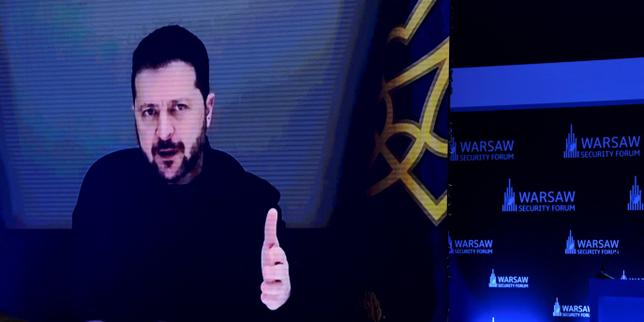
Donald Trump just dropped a diplomatic bombshell by announcing an immediate "energy ceasefire" between Russia and Ukraine, catching Kyiv completely off guard. Ukrainian President Volodymyr Zelenskyy bluntly stated that the sudden deal was entirely "news to me". If you’re trying to make sense of why Washington and Kyiv are openly clashing over a surprise truce, you need to look past the social media post and examine the actual geopolitics at play.
The announcement landed via Truth Social, where Trump declared that an energy ceasefire was effective immediately and warned both sides not to break it. But real-world conflicts don't stop because of an online proclamation. Within hours, Ukrainian officials reported ongoing Russian strikes hitting power and energy facilities, including sites in Kharkiv. Zelenskyy’s reaction wasn't just surprise; it was a stark reminder that peace agreements require actual coordination, not just unilateral declarations from the sidelines.
The Real Friction Behind the Energy Truce
Why did Trump push for this specific arrangement? Energy markets are volatile, and domestic fuel prices remain a massive political flashpoint. Trump had spent weeks demanding that Ukraine halt its long-range drone strikes on Russian oil refineries, arguing that those attacks were driving up global diesel costs.
At the same time, Washington struck a parallel understanding involving the lifting of certain sanctions on Russian diesel. That part of the equation infuriated European allies and Ukrainian leadership alike. From Kyiv's perspective, giving Moscow relief on energy exports while Russian missiles continue to pound civilian infrastructure feels less like a peace initiative and more like a financial lifeline for the Kremlin's war machine.
Zelenskyy made it clear that while Ukraine is open to stopping energy attacks, any such move has to be fully reciprocal. You can't expect a nation fighting for its survival to unilaterally disarm its most effective long-range deterrent while enemy bombers fill the skies.
Navigating the Leadership Clash
The tension goes beyond tactical disagreements on the battlefield. Trump publicly suggested that Ukraine needs a new leader who can close a deal faster, claiming Zelenskyy has missed opportunities to end the conflict. That kind of rhetoric plays directly into Moscow's broader strategy, which has long sought to undermine Kyiv's wartime administration.
Zelenskyy responded by emphasizing that the future of Ukraine's leadership is a matter for Ukrainian citizens, not foreign commentators. It highlights a fundamental disconnect in how Washington and Kyiv view the path forward. American negotiators are pushing for rapid, transactional wins to stabilize economic pressures at home, while Ukrainian officials are staring down a daily barrage of ballistic missiles and drones that make immediate trust nearly impossible.
What Happens When Announcements Outpace Reality
Announcing a ceasefire on social media without nailing down the enforcement mechanisms or consulting your primary partner creates immediate chaos. Troops on the ground don't read Truth Social posts before launching incoming artillery. Without verified communication channels, neutral monitors, and explicit timelines agreed upon by both Moscow and Kyiv, a declared truce is just words on a screen.
Zelenskyy stated that if Trump actually negotiated terms directly with Vladimir Putin, Kyiv is ready to listen—provided the Kremlin actually halts its attacks. Until Moscow demonstrates compliance on the ground, expect these high-stakes diplomatic collisions to keep happening. Real peace takes a lot more than a sudden tweet.