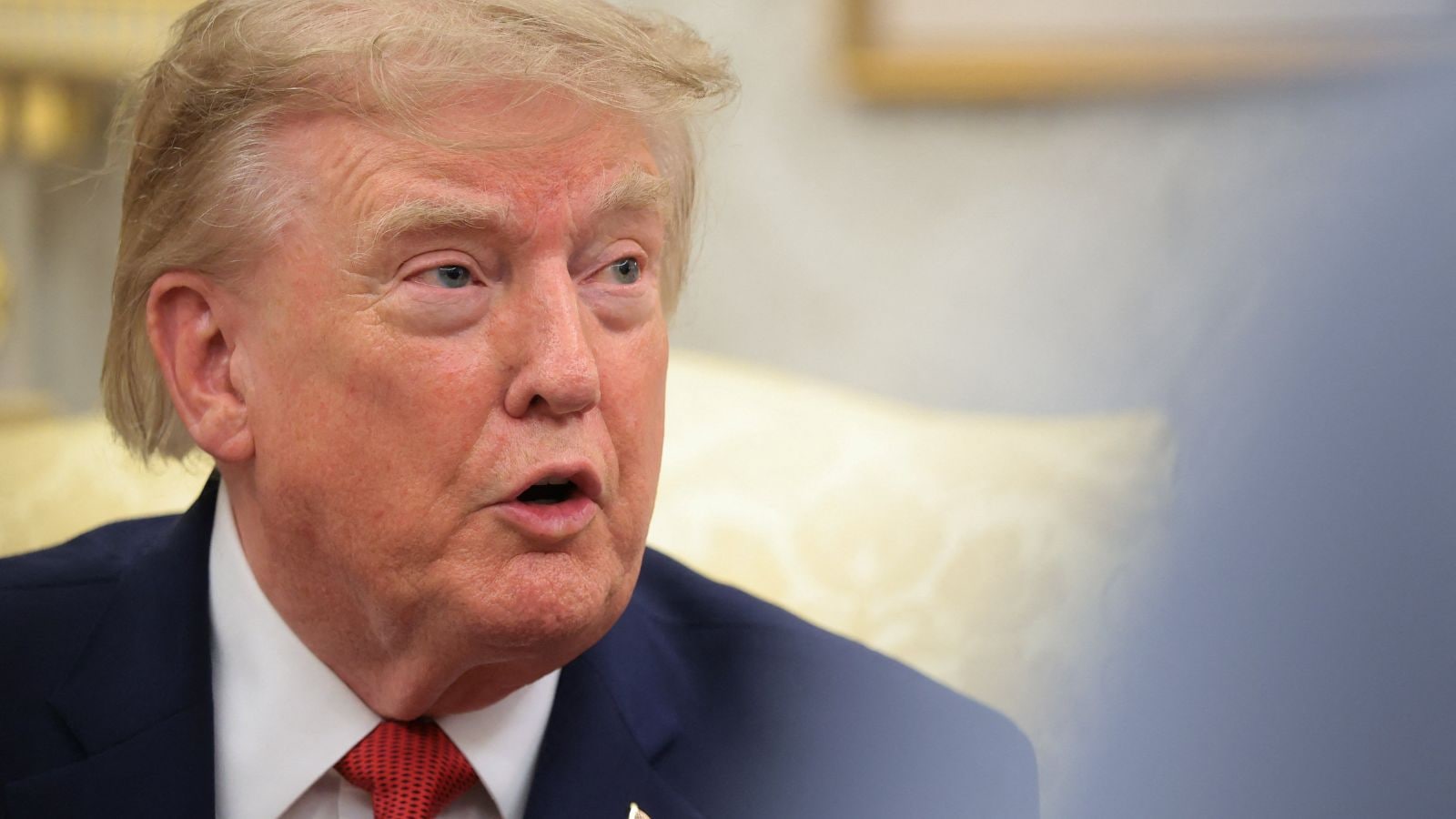
The latest signal from Washington is loud and clear. President Donald Trump has officially declared an aggressive, wide-ranging economic campaign against Iran, labeling it a "crushing" operation. For New Delhi, this isn't just another geopolitical headline. It is a direct complication for India’s long-term trade and infrastructure strategy. When the White House warns that any country providing a "lifeline" to Tehran faces significant consequences, the stakes for India move from theoretical to urgent.
If you’re looking at the raw numbers, you might think the impact is negligible. India-Iran bilateral trade is relatively small, hovering around $2.3 billion annually as of mid-2026. Iran isn't even a top-50 trading partner for India. However, dismissing the relationship based on trade volume is a classic mistake. You have to look at the strategic assets involved, specifically the Chabahar Port.
The Chabahar Problem
For years, India has poured time, money, and diplomatic capital into the Chabahar Port. This isn't just about moving rice, tea, or pharmaceuticals to Iran. It’s about India’s "golden gateway" to Central Asia and Eurasia. By bypassing Pakistan, New Delhi finally secured a maritime and land link that connects to the International North-South Transport Corridor (INSTC).
This is the crown jewel of India’s regional connectivity. Without it, India’s access to Afghanistan and beyond becomes a logistical nightmare. Washington’s new warning creates a massive dilemma. Does India hold onto a project that is vital for its long-term strategic autonomy, or does it bow to pressure to avoid the "tremendous" consequences Trump is promising?
Navigating The Sanctions Web
The reality of these sanctions is harsher than most realize. It isn't just about stopping exports. It’s about financial systems, insurance, and shipping. When the U.S. restricts financial institutions, it effectively freezes the gears of trade. Even if a specific trade deal is technically legal, the banking hurdles make it nearly impossible to execute.
I’ve seen this pattern before. When sanctions tighten, the "cost of doing business" doesn't just increase—it explodes. You’re looking at higher insurance premiums for shipping, massive delays in payment clearing, and the constant fear of being caught in the crosshairs of secondary sanctions. For an Indian exporter, the risk-reward ratio is becoming impossible to justify.
The Cost Of Compliance
The U.S.-India trade relationship is massive, worth over $130 billion annually. Trump’s warning basically tells India it has to choose. Either maintain the Iran connection and risk friction with its largest trading partner, or pivot away and abandon a strategic project that took decades to build.
Most analysts will tell you India has little choice but to lean toward the U.S. The math is simple. Losing a fraction of the Iranian trade is a nuisance. Losing access to U.S. markets, tech, and financial systems is a disaster.
However, India’s diplomats have a history of performing a tightrope walk. They often secure specific waivers for projects like Chabahar, arguing it serves humanitarian and development goals in the region. Whether they can pull off that maneuver again in this current political climate is the billion-dollar question.
What Should You Actually Watch For
Don't get distracted by the noise on social media or political bluster. Keep your eyes on these two things:
- The U.S. Supreme Court: There are ongoing legal battles regarding whether these emergency tariffs and sanctions overstep the President’s authority. A ruling either way will dictate how long these "crushing" measures actually hold up.
- Exemption Language: Watch for any official guidance from the U.S. Treasury regarding port infrastructure. If there’s even a sliver of ambiguity that includes "humanitarian corridors," that’s the loophole India will use to keep Chabahar alive.
The situation is fluid and inherently volatile. If you're involved in cross-border trade, the move is to pause and assess. Don't assume that existing waivers remain valid. Verify every single transaction through legal counsel who specializes in international sanctions. Trying to "wing it" in this environment is how companies lose their shirts.
The reality is that India is caught in a larger tug-of-war. Iran’s stability is secondary to the immediate pressure of the U.S. economic campaign. Expect New Delhi to play it cool, keep a low profile, and wait for the dust to settle, all while quietly fighting to keep its infrastructure projects in the Gulf out of the line of fire. It’s a messy, high-stakes game where the winners are determined by who has the most patience.