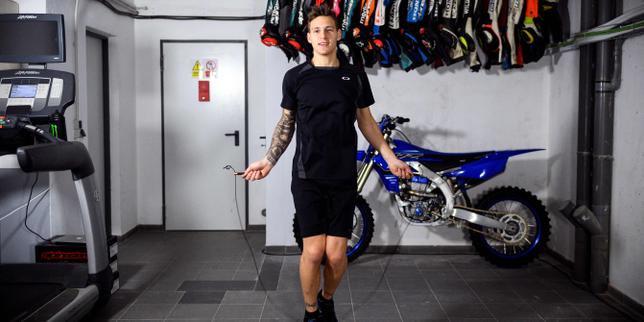
You’ve probably noticed the pattern if you follow professional cycling, MotoGP, or European football. When a rider crosses the finish line or a player signs a massive endorsement deal, their official residence isn’t Paris, Madrid, or London. It’s a tiny principality tucked away in the Pyrenees. Andorra has quietly become the capital of choice for elite sports professionals looking to protect their wealth.
But let’s get past the lazy headlines. This isn't just about rich people hiding money in a tax haven. The reality is much more calculating, highly regulated, and surprisingly practical for a high-performance career. Recently making waves recently: Why the Southern Section Track Championships Prove Braelyn Combe is Built Different.
If you're an athlete with a short earning window, the math behind moving to Andorra makes total sense. Here is exactly how it works, what the real requirements look like, and why the traditional sporting superpowers are losing the battle to keep their top talent.
The Brutal Math of a Short Career
Most people look at a professional athlete’s salary and think they’re set for life. What they forget is the ticking clock. A standard corporate executive can easily work for forty years, hitting their peak earning potential in their fifties. An elite cyclist or motor racer is lucky to have a ten-year window at the top. More insights on this are detailed by Yahoo Sports.
If you’re earning €1 million a year in France or Spain, the government takes roughly half of it. When you factor in wealth taxes, your net savings shrink fast. By the time you retire at 35, your career earnings are halved, yet that pool of money has to sustain you for the next forty to fifty years.
Andorra completely flips this dynamic.
The personal income tax rate (IRPF) is capped at a flat 10%. Better yet, the first €24,000 is entirely tax-free, and the next €16,000 is taxed at just 5%.
When you scale that up to the millions earned from team contracts, prize money, and global sponsorship deals, the difference isn't minor. It's the difference between retiring with a modest safety net or a multi-million-euro generational estate.
Decoding the Category C Residency
You can't just rent an apartment in Andorra la Vella, pack your bags, and call yourself a resident. The Andorran government knows exactly what value these athletes bring, and they've built a specific immigration track for them: the Category C Passive Residence.
This VIP category is explicitly designed for internationally recognized talent, including scientists, artists, and elite sports figures. The barrier to entry is high enough to keep out amateurs but incredibly streamlined for true professionals.
To secure this status, you have to prove your worth and show some financial commitment.
- International Recognition: You need to submit a comprehensive curriculum vitae proving your achievements, titles, and international standing. A copy of your professional team contract or official ranking documentation is mandatory.
- The Financial Deposit: You must place a refundable deposit of €47,500 with the Andorran Financial Authority (AFA). If you bring a spouse or children, it’s an extra €9,500 per dependent.
- Economic Self-Sufficiency: You have to prove your income is higher than 300% of Andorra's annual minimum wage.
- The 90-Day Rule: Unlike active residents who must spend 183 days in the country, Category C residents only need to physically reside in Andorra for 90 days per calendar year.
There's a critical legal nuance here that most amateur observers miss. The law states that at least 85% of your professional services must be carried out outside of Andorra. For a professional cyclist riding the Giro d’Italia or a MotoGP racer competing on tracks across Asia and the Americas, this fits perfectly. You earn your money globally, but you protect it locally.
Altitude and Pelotons
If Andorra only offered tax breaks, it would look like Monaco. A lot of concrete, expensive yachts, and not much else. But for an athlete, Monaco lacks something vital for daily operations: space to actually train.
Andorra sits at an average elevation of over 1,000 meters. For endurance athletes, particularly professional cyclists, altitude training is a legal performance enhancer. It increases red blood cell production, boosting oxygen delivery to muscles.
Instead of flying to expensive high-altitude training camps in Tenerife or Sierra Nevada for a few weeks a year, athletes living in Andorra just wake up, open their front door, and they’re already training at altitude.
The mountain passes are brutal, iconic, and perfectly paved. It’s why you can’t drive through the country without passing world-class pelotons. When riders like the Espargaró brothers or top-tier WorldTour cyclists moved here, they created a community.
Success breeds success. Now, young riders move to Andorra not just for the tax structure, but because their training partners, mechanics, physiotherapists, and sports doctors are already there. It’s a complete high-performance ecosystem.
Navigating the Double Taxation Trap
Moving your body to the Pyrenees doesn’t automatically mean your home country's tax authority will let you go without a fight. This is where many athletes make critical mistakes.
Tax agencies in Spain (Hacienda) and France are notoriously aggressive when it comes to tracking high-net-worth individuals moving across the border. If they can prove that your center of economic or personal interest remains in your home country, they will claim you as a tax resident and demand their cut.
To survive an audit, the paperwork has to be flawless. This means keeping meticulous records of travel, maintaining a genuine primary residence in Andorra, and ensuring family ties move with you.
Andorra’s network of Double Taxation Agreements (DTAs) with countries like Spain, France, and Portugal provides the legal framework to prevent paying taxes twice, but it only protects you if you strictly follow the rules. If you claim to live in Andorra but spend 200 days a year living in an undeclared apartment in Barcelona, you're heading for a legal disaster.
Your Move
If your athletic career is gaining serious traction and your income is moving into the bracket where taxation hurts, sitting tight is a losing strategy. Optimizing your financial structure is just as important as optimizing your nutrition or your training plan.
First, look honestly at your projected earnings over the next three to five years. If the numbers justify the move, your next step isn't looking for real estate. It's hiring an international tax attorney who specializes in sports residency.
You need to audit your current domestic tax ties, prepare your international sports CV for the Andorran government, and clear your local criminal record registry before you even think about applying for the Category C permit. Treat your wealth management like you treat your sport: with absolute precision.


,webp/007/704/893/2560x1440.7.webp)