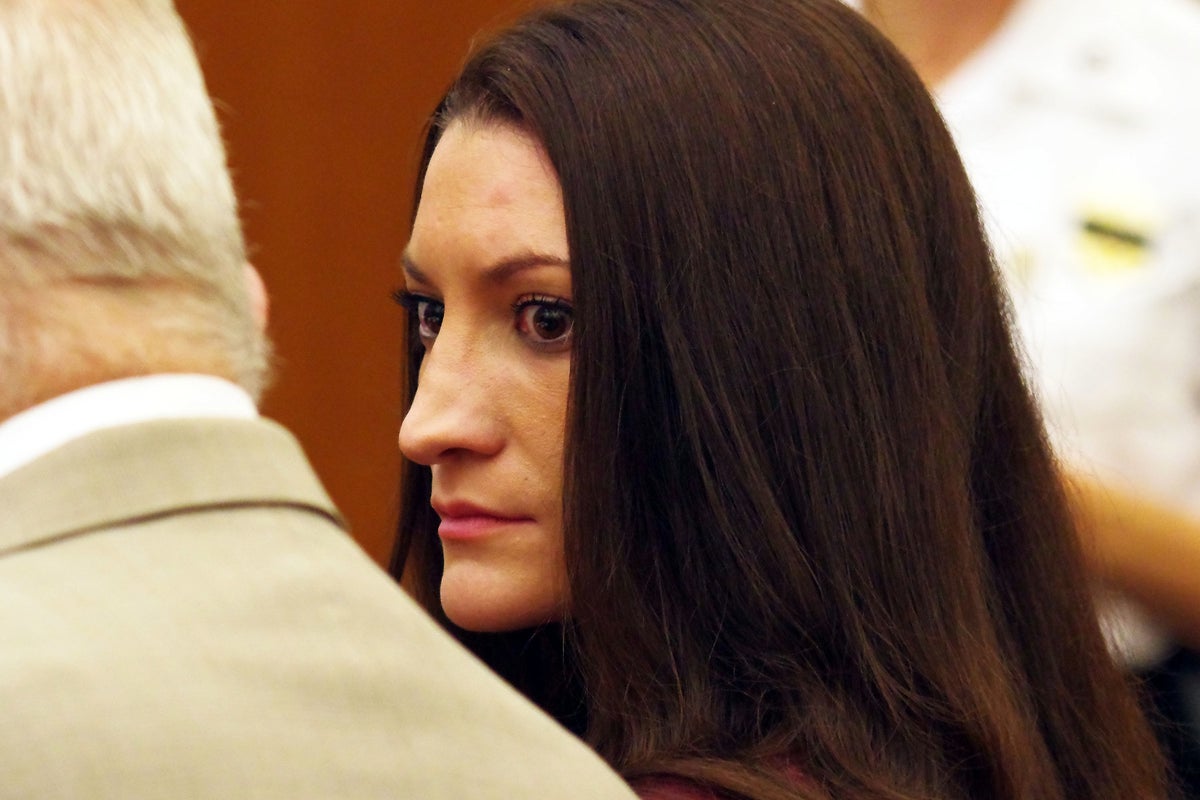
The trial of Lindsay Clancy has gripped the nation, forcing a brutal look at the intersection of severe mental health crises and the justice system. On January 24, 2023, the lives of three young children—Cora, Dawson, and Callan—ended in a Duxbury, Massachusetts, home. Their mother, Lindsay Clancy, is the woman accused of their deaths.
As the trial reaches its final stages in August 2026, the public discourse has often spiraled into speculation, focusing heavily on what Lindsay said in the immediate aftermath of the tragedy.
Beyond the Headlines
The most haunting detail circulating about the aftermath involves a statement Lindsay reportedly made to a hospital chaplain. While receiving care for injuries sustained after attempting to take her own life, she told the chaplain, "I'm so glad my children are safe."
To the casual observer, this sounds chilling. It feels like an act of cognitive dissonance that is difficult to process. However, mental health professionals and those familiar with the severe manifestations of postpartum psychosis argue that this statement represents a tragic, delusional break from reality.
Lindsay allegedly told the chaplain that she had been hearing voices. These voices reportedly convinced her that if she did not follow their command to kill the children, none of them—including herself—would be safe. In that fractured mental state, the act of violence was, in her mind, a twisted form of protection.
The Battle of Experts and Evidence
The prosecution has argued that Lindsay’s actions were calculated, pointing to internet searches for medical terminology and potential methods of harm leading up to the incident. They argue she was not suffering from a level of incapacity that absolves her of criminal responsibility.
Conversely, the defense has centered its argument on the presence of postpartum psychosis and the potential impact of being "overmedicated." Witnesses, including family members, testified about her rapid decline in the months preceding the tragedy. Her mother described her as increasingly anxious, paranoid, and suicidal.
The trial featured testimony from Dr. Phillip Resnick, a witness known for his involvement in the Andrea Yates case. He and other experts have pushed the narrative that Lindsay was suffering from a condition that rendered her unable to appreciate the wrongfulness of her actions.
A System Under Scrutiny
The debate over "criminal responsibility" isn't just about one woman. It’s about how society classifies actions taken during a total mental collapse. Massachusetts law requires a jury to determine if the defendant was of sound mind. If the jury finds that her mental illness prevented her from understanding her actions or conforming to the law, a "not guilty by reason of mental illness" verdict is possible.
The pressure on the jury is immense. They aren't just deciding on a sentence; they are weighing the validity of a medical diagnosis that is often misunderstood by the public.
What This Means for Families
If you or someone you love is navigating postpartum mental health struggles, the takeaway from this case is blunt: standard medical oversight is often insufficient. Families must advocate aggressively when they see signs of paranoia, intrusive thoughts, or a decline in functionality.
Lindsay’s own history of seeking care—including checking into a psychiatric facility—highlights that simply "getting help" isn't a guarantee of safety. The medical system failed to stabilize her condition before the tragedy occurred.
Next Steps for Mental Health Advocacy
Don't wait for the system to catch up. If you are struggling:
- Document everything. Keep logs of symptoms, side effects of medication, and specific shifts in personality.
- Seek specialized care. General practitioners or standard therapists may not have the training to recognize the red flags of severe postpartum psychosis.
- Involve a support network. If a partner or family member is experiencing these symptoms, ensure they are never left alone during high-risk periods.
The trial will conclude, and a verdict will be delivered. But the questions regarding how we treat, monitor, and support parents in the depths of postpartum psychosis will remain long after the courtroom doors close. The tragedy in Duxbury is a stark reminder that mental health is not a private matter—it is a community responsibility.
Stay vigilant. If something feels off, don't just ask for help; demand a higher level of intervention until you are heard.