National security isn't just about satellites and special ops. Sometimes, it's about who has a smartphone in their pocket. When news broke regarding several security breaches spotted in Trump’s situation room during US strikes, the immediate reaction was a mix of partisan bickering and genuine shock. But if you look past the headlines, the reality of how these lapses happened reveals a terrifyingly casual approach to the world's most sensitive data.
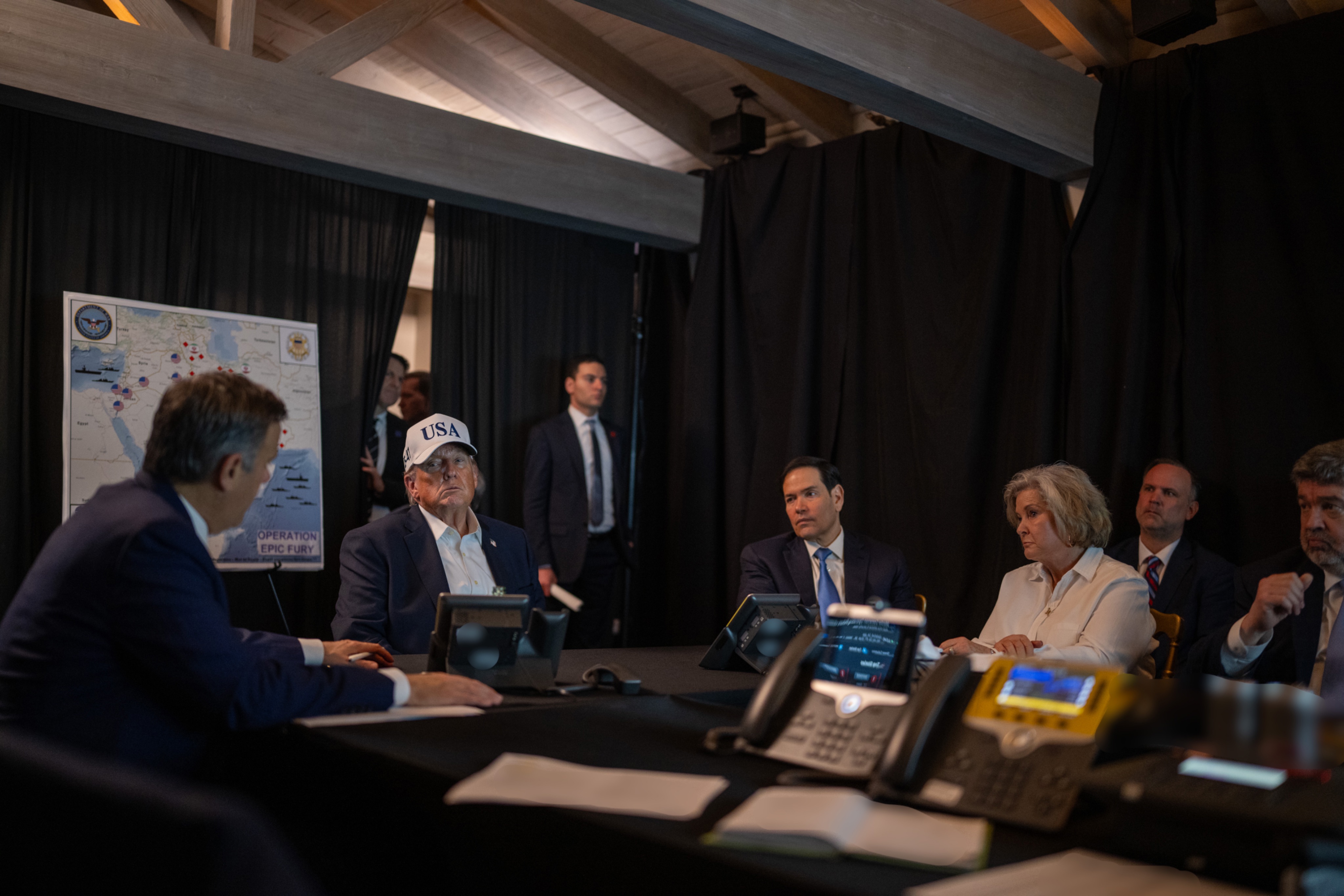
The White House Situation Room, or "the Sit Room," is supposed to be a SCIF. That stands for Sensitive Compartmented Information Facility. It’s a box designed to keep signals in and spies out. When the United States launches airstrikes, this room becomes the nerve center of the free world. Yet, during key moments of the Trump administration, the gold standard of protocol seemed to melt away.
Why smartphones are a nightmare for secret operations
You probably don't think twice about your iPhone. To a counterintelligence officer, that phone is a high-end bugging device with a direct link to foreign adversaries. During the strikes in question, reports surfaced of multiple individuals carrying personal electronic devices into the restricted space. This isn't just a minor rule break. It’s a systemic failure.
Modern phones can be compromised without the owner ever clicking a suspicious link. Sophisticated spyware like Pegasus can turn on a microphone or camera remotely. If a staffer has a phone in their pocket while a general is pointing at a map of Syrian air defenses, that map might as well be on a billboard in Moscow or Tehran.
The "bring your own device" culture of the modern era collided head-on with Cold War-era security requirements. We saw photos of officials using the flashlights on their personal phones to read classified documents at Mar-a-Lago during the 2017 North Korea briefing. While that happened at a dinner table and not technically the Sit Room, it set a tone. It signaled that convenience trumped the "burn bag" mentality of traditional intelligence work.
The guest list problem and unvetted access
Physical security is only as good as the person holding the door. Another major issue flagged during these high-stakes strikes involved who was actually in the room. In any other administration, the list of attendees for a strike briefing is tightly controlled. Under Trump, the circle often expanded to include political advisors and family members who didn't always have the requisite "need to know."
Security clearances aren't just badges of honor. They represent a vetting process that checks for financial leverage, foreign ties, and psychological stability. When people without full clearances—or with "interim" clearances that haven't been finalized—sit in on real-time military movements, the risk of an accidental leak skyrockets.
One specific breach involved the presence of staff who were essentially there for "the vibe" of the moment rather than tactical necessity. This creates a crowded, chaotic environment. In the chaos, protocols like logging in devices or signing non-disclosure agreements for specific operations get skipped. It’s basic human error fueled by a lack of discipline at the top.
Social media and the urge to document history
We live in an era where if it isn't on camera, it didn't happen. That impulse is poison for clandestine operations. During various strikes, the urge to document "the room where it happens" led to photos being taken and shared almost instantly.
Even a seemingly innocent photo of the President looking "tough" can give away immense amounts of data. Analysts from foreign intelligence services look at the clocks on the wall to verify timing. They look at the screens in the background to see what software the US is using for battle tracking. They even look at the badges on people's lanyards to identify undercover personnel.
By treating the Situation Room like a photo op, the administration inadvertently gave away pieces of the American intelligence puzzle. This wasn't a one-time mistake. It happened repeatedly because the desire for a "strong" public image outweighed the boring, rigid rules of operational security (OPSEC).
The Mar a Lago effect on formal protocol
You can't talk about the Situation Room breaches without talking about the "South Florida Annex." When the President moved the center of power to a private club, the formal protocols of the West Wing began to erode. Security is a habit. When you spend your weekends discussing national security over shrimp cocktail in front of club members, you’re going to be less careful when you get back to Washington.
The blurring of lines between private life and public office led to a general softening of the rules. If the boss doesn't follow the rules, the subordinates won't either. This "tone at the top" is why we saw staffers feeling comfortable enough to bring tech into the Sit Room. They saw a culture where the rules were viewed as "deep state" hurdles rather than essential safeguards.
How to fix a broken security culture
Fixing this isn't about more locks. It's about a total shift in mindset. If you're ever in a position where you're handling sensitive info—whether it's government secrets or just your company's unreleased financials—you have to be boring about it.
First, leave the tech behind. If a room is designated secure, your phone stays in a lead-lined locker outside. No exceptions. Not for the Chief of Staff, not for the President’s kids.
Second, enforce the "Need to Know" principle. Just because you have a Top Secret clearance doesn't mean you get to see everything. If your job isn't directly related to the strike, you don't need to be in the room. Reducing the number of bodies in the room reduces the number of potential leak points.
Finally, there must be consequences. Security breaches in the Trump administration often went unpunished because they were seen as loyalty tests. If you were "on the team," a little slip with a cell phone was ignored. True security requires an environment where the rules matter more than the person breaking them.
Stop treating high-level briefings like social events. Turn off the cameras. Put the phones in the locker. If we can't protect the room where the most important decisions are made, we can't protect the country.
Check your own digital footprint. If you’re working on something sensitive, assume your microphone is always live. Use physical privacy shutters on your webcams and don't discuss work in the presence of smart speakers like Alexa or Google Home. Security starts with the small habits you practice every day.