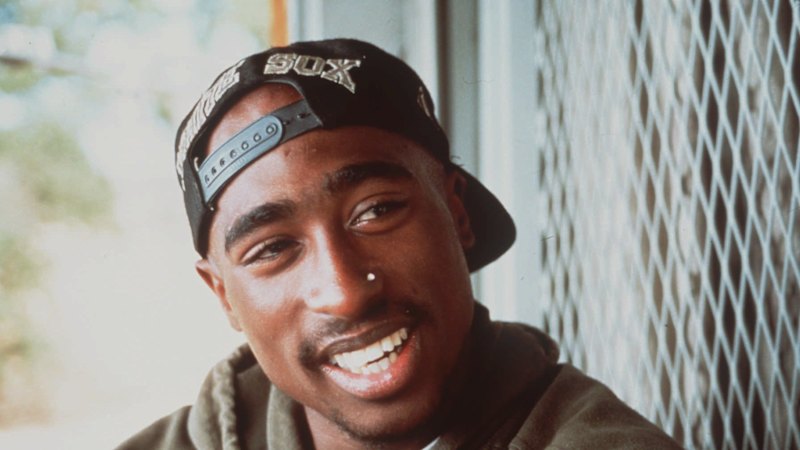
Nearly thirty years have passed since a white Cadillac pulled up alongside a black BMW on the Las Vegas Strip, ending the life of hip-hop icon Tupac Shakur. For decades, the murder sat in the cold case files, fueled by conspiracy theories, internet sleuths, and endless speculation. That silence finally broke. The trial of Duane "Keffe D" Davis is officially underway in Clark County District Court, forcing the music world to confront the raw mechanics of a tragedy most people thought would never see a courtroom.
If you are trying to understand how a cold case from September 1996 suddenly turned into an active trial in 2026, you need to look past the myths. This isn't just about a drive-by shooting. It is about how a former gang leader's own mouth blew the case wide open.
How Duane Davis Brought the Case Upon Himself
You might wonder how police finally arrested someone nearly three decades later when the original investigation sputtered out. The answer is simple: vanity and media tours.
Duane Davis didn't hide his involvement. In fact, he spent years talking about it. He gave interviews to police in 2008, spoke extensively for documentaries, and published a 2019 memoir titled Compton Street Legend. In those accounts, Davis placed himself right inside that white Cadillac, admitted to getting a firearm, and described passing it to the back seat.
Prosecutors are using those exact words to build their case. While Davis has pleaded not guilty and his defense attorneys now claim his stories were exaggerated tall tales told for money and publicity, a Nevada judge ruled those prior statements admissible. When you write a book confessing to your role in an orchestration, the state tends to read it.
The Casino Fight That Started a War
The roots of the shooting trace back to a heavy-weight boxing match between Mike Tyson and Bruce Seldon at the MGM Grand. After the fight, hotel surveillance cameras captured Tupac Shakur and Death Row Records co-founder Marion "Suge" Knight confronting Orlando "Baby Lane" Anderson near the elevators. Anderson was Davis's nephew and a member of the South Side Compton Crips.
The beating of Anderson inside the casino triggered a fatal chain reaction. Prosecutors argue that Davis sought immediate retaliation. He gathered associates, secured a weapon, and tracked down Shakur's vehicle.
Under Nevada law, you don't have to pull the trigger to be guilty of murder. If you orchestrate the crime, supply the weapon, and participate in the hunt, you share the full weight of the charge. Davis faces one count of murder with a deadly weapon with a gang enhancement, carrying a potential sentence of life without parole.
Why This Trial Matters Now
People often ask if a trial happening this late can ever deliver true justice. Memories fade. Witnesses pass away. The other men who were in the Cadillac that night are already dead. Orlando Anderson died in a 1998 shootout.
Yet, this proceeding matters because it strips away the romanticized folklore surrounding 1990s hip-hop history. It shifts the narrative from internet conspiracy theories back to the cold, hard facts of street violence and accountability. Whether the jury convicts Davis or accepts the defense argument that his confessions were pure fiction, the courtroom is finally forcing an open accounting of a dark chapter.
Pay close attention to how the physical evidence and the historical timeline play out over the next month of proceedings. Stop looking for hidden angles or secret cabals. The reality is far more ordinary, and far more tragic: a casino fight, a loaded gun, and decades of talking too much.