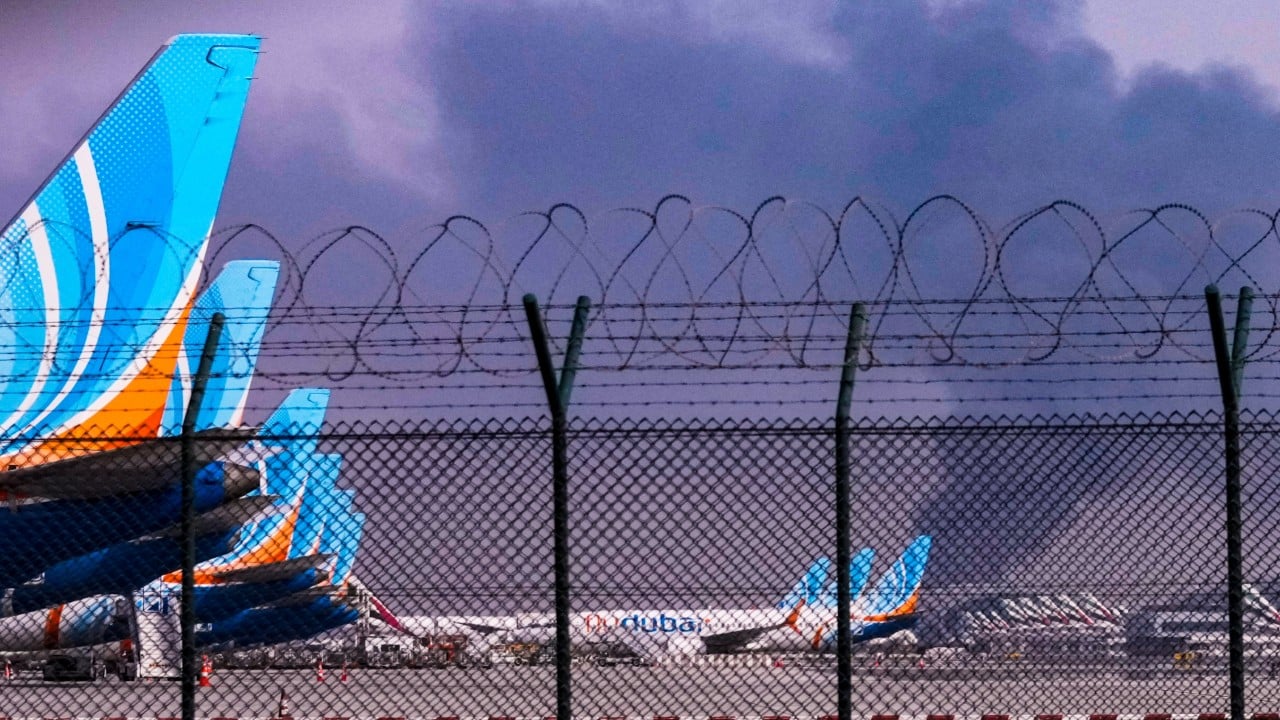
Air travel in the Middle East just caught its collective breath. After a period of intense tension and localized closures, the UAE General Civil Aviation Authority (GCAA) officially gave the green light for all national carriers to resume normal flight paths. It wasn't a snap decision. It was a calculated, data-driven move that followed what officials called a "comprehensive assessment" of regional risks. If you’ve got a flight booked through Dubai or Abu Dhabi, you can stop refreshing your tracking app every five minutes. Things are moving again.
The UAE doesn't play around when it comes to the sky. You’re talking about one of the world's most critical transit hubs. When Emirates, Etihad, or flydubai ground planes or reroute them, the ripple effect hits London, New York, and Sydney within hours. This latest reopening signals that the technical experts behind the scenes have seen enough evidence to guarantee passenger safety. They aren't just guessing. They're looking at real-time intelligence and atmospheric data that most of us will never see.
The Logic Behind the Comprehensive Assessment
When the GCAA talks about a "comprehensive assessment," they aren't using corporate filler. They mean a grueling review of every possible variable in the surrounding airspace. This involves checking with international partners, reviewing military activity reports, and ensuring that civilian corridors are 100% clear of any potential interference. They don't just open the gates because it’s convenient for the economy. They do it because the math says it's safe.
Safety is the only currency that matters in aviation. If a carrier loses trust, it loses everything. That’s why the UAE is often the first to close and the most cautious to reopen. They have too much to lose. During the recent period of uncertainty, we saw flights being diverted over longer, more expensive routes to avoid specific zones. That costs a fortune in fuel. It messes up crew schedules. Yet, they did it anyway. That’s the kind of discipline that keeps the UAE at the top of the global aviation rankings.
What This Means for Your Upcoming Travel
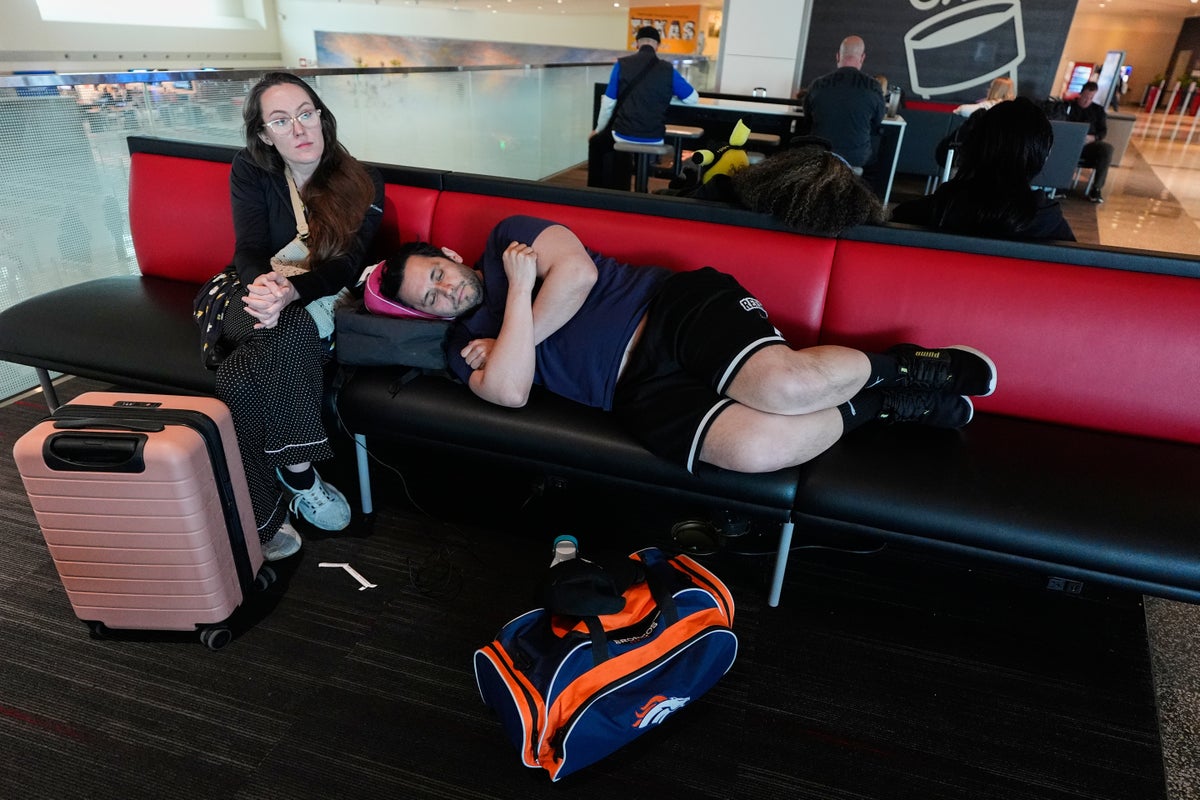
You're probably wondering if your specific flight will still face delays. Honestly, the backlog is the biggest hurdle now. Even though the airspace is open, airlines have to reposition aircraft and crews that were displaced during the disruption. It’s a giant jigsaw puzzle.
- Check your flight status directly with the airline app. Don't rely on third-party aggregators which can lag by thirty minutes.
- Expect slightly different flight times. Even with the "normal" routes open, some pilots might still take more conservative paths depending on the time of day.
- Buffer your connections. If you have a one-hour layover in Dubai, try to push it to two or three. Give the system time to stabilize.
Most travelers don't realize how much work goes into a simple "all clear" announcement. It involves thousands of man-hours from air traffic controllers who have to recalibrate the flow of hundreds of planes per hour. The UAE handles some of the densest traffic on the planet. Reopening isn't just flipping a switch; it's restarting a high-performance engine.
Why the Middle East Air Hubs are Resilient
The geography of the UAE makes it a natural target for geopolitical theater, but its infrastructure is built for this. DXB and AUH aren't just airports; they're fortresses of logistics. They’ve dealt with regional shifts for decades. They have contingency plans for their contingency plans.
When you see headlines about airspace closing, it’s easy to panic. But remember that these closures are actually evidence that the system is working. We should be more worried if things stayed open during a crisis. The fact that the GCAA was willing to shut down and then undergo a rigorous "assessment" before reopening shows they value your life more than a quarterly profit report.
Moving Forward With Confidence
Aviation experts generally agree that the post-reopening phase is actually one of the safest times to fly. Why? Because surveillance is at an all-time high. Every radar screen is being watched by multiple sets of eyes. Every communication channel is double-checked. The level of scrutiny applied to UAE airspace right now is probably higher than anywhere else on earth.
If you're flying soon, expect the cabin crew to be a bit more tired than usual—they've been dealing with a lot of rerouting stress—but know that the path ahead is clear. The UAE has signaled to the world that it's back to business as usual, and in the world of high-stakes international travel, that signal is as good as gold.
Check your booking one last time today. If your flight number hasn't changed, you're likely on the standard, faster route again. That means less time in a pressurized tube and more time at your destination. The system held up, the assessment passed, and the planes are back where they belong. Flight operations are normal, and for a frequent traveler, those are the best four words in the English language.
Log into your airline’s manage booking portal right now to confirm your seat and check for any minor timing adjustments. Most carriers are offering flexible rebooking for the next 48 hours just in case you’re still feeling uneasy about the transition. Take advantage of it if you need the peace of mind. Otherwise, pack your bags and get to the airport early.