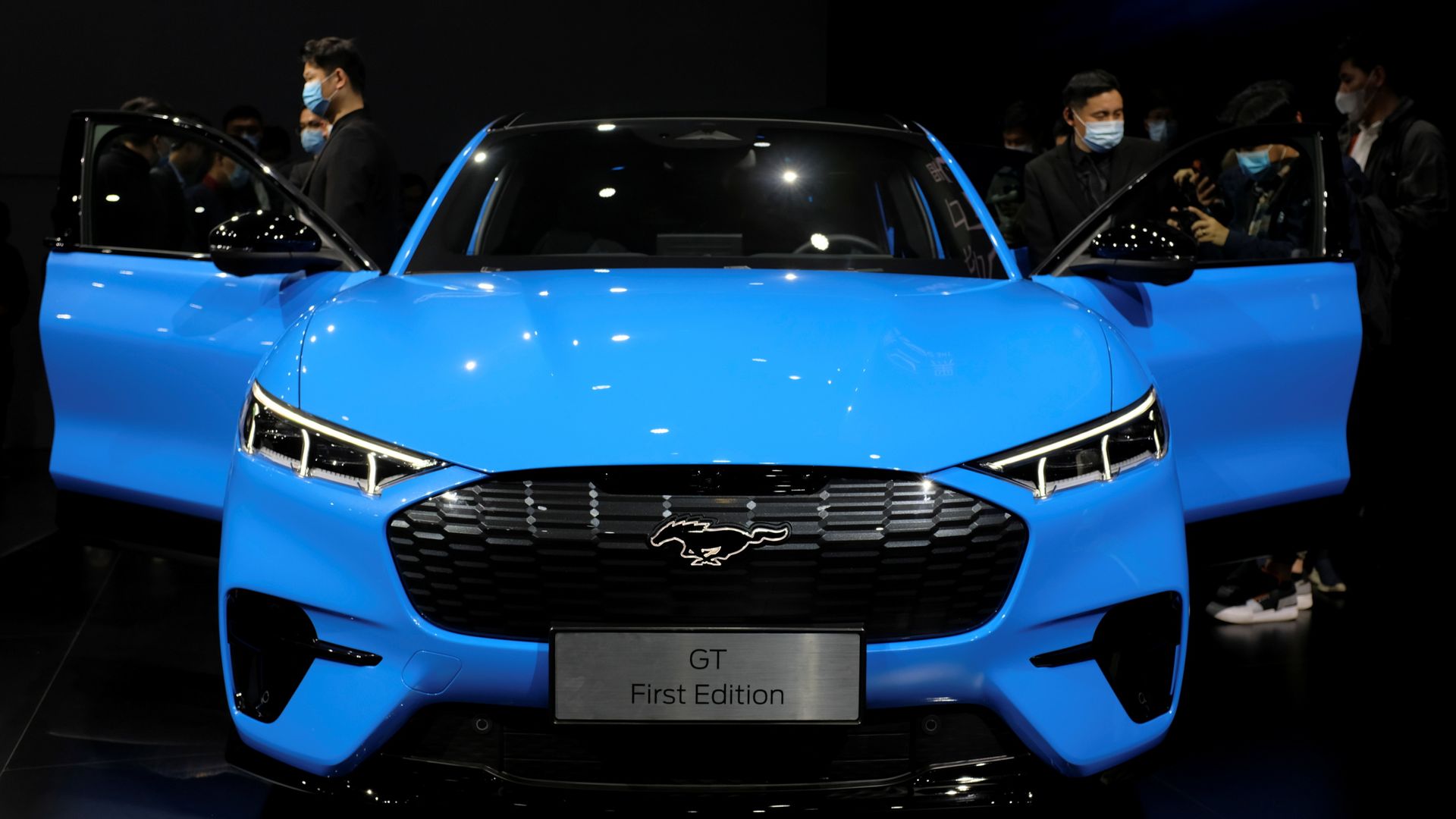
Transport for London just issued private hire vehicle licences to a fleet of self-driving electric Ford Mustang Mach-E vehicles. If you thought driverless cars were staying stuck in American test towns forever, things are changing fast. Uber and British artificial intelligence developer Wayve are teaming up to bring robotaxis to the capital. Over 100,000 Londoners signed up for an interest list within weeks, proving people want to see how machine learning handles chaotic city traffic.
The Reality Behind the London Licence
Let's clear up what this licence actually means. The cars won't be driving around completely empty this summer. Transport for London requires what the industry calls a triple-lock system, meaning the operator, vehicle, and driver must all be properly licensed. A trained human driver will sit right behind the steering wheel during every trial trip. They're there to monitor the software and take control instantly if something goes sideways. For a more detailed analysis into this area, we recommend: this related article.
Wayve's AI driver relies on surround cameras and radar units fitted to the Mach-E fleet. Unlike competitors that depend heavily on hyper-detailed high-definition maps of every single intersection, Wayve uses embodiment AI designed to generalize and adapt to new environments on the fly. That approach is precisely why regulators are willing to let them test on notoriously tricky British roads.
What Happens Next for Riders
If you're one of the 100,000 people on the waiting list, you might get picked for a trial ride later this summer. Passengers who manage to book one of these autonomous minicabs will pay standard fares. You're not paying extra for futuristic novelty. Uber wants normal data from normal trips to see how people react to an artificial intelligence doing the heavy lifting through heavy traffic. For further details on this development, extensive analysis can be read at TechCrunch.
Getting rid of the safety driver entirely requires a completely separate regulatory hurdle. Uber and Wayve have to go through the Driver and Vehicle Standards Agency for an automated passenger services permit before any car goes empty. That transition won't happen overnight. Regulators want mountains of safety data before anyone signs off on empty pods cruising down Oxford Street.
Traditional minicab drivers aren't thrilled about the shift, and legitimate concerns about livelihoods remain valid. Yet the regulatory green light means autonomous tech in Europe's densest urban centers is moving from theory to execution. Watch the safety reports closely over the coming months. The success of these London trials will dictate how quickly driverless booking options appear on your phone screen permanently.