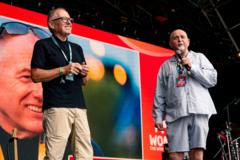
Ticket sales are stalling. Production costs are through the roof. Independent stages are quietly vanishing before the lineup announcements even drop. When Peter Gabriel talks about the brutal financial reality of running a music festival in the UK like Womad, he isn't just complaining about inflation. He is sounding an alarm bell for an entire cultural ecosystem that is slowly bleeding out.
If you bought a wristband recently, you noticed the price tag. You probably grumbled, paid it anyway, and figured inflation explains the hike. It doesn't. The economic math behind putting together a weekend of live music, camping, and art has completely broken down.
The Rising Costs of Simply Existing
Running a festival isn't just booking a band and plugging in a microphone. Insurance premiums have skyrocketed. Security costs are up. Stage production, heavy machinery hire, crowd management, and waste disposal services are charging rates that would have seemed absurd five years ago.
Suppliers are squeezed too. They have their own fuel and labor bills to pay. When a festival organizer tries to negotiate, suppliers walk away because someone else will pay their price or they simply cannot afford to operate at a loss.
Energy prices remain volatile. Temporary generators need massive amounts of diesel. Even green initiatives, which are essential for long-term survival and sustainability, require heavy upfront capital investment that smaller independent promoters simply don't have sitting in a bank account.
"Independent festivals operate on paper-thin margins where one rainy weekend can erase an entire year of planning."
The Corporate Monopoly Problem
Live music in the UK is increasingly dominated by massive corporate entities. These conglomerates own the ticketing platforms, the booking agencies, and multiple major festivals simultaneously. They can absorb losses on one event by leveraging profits from another.
Independent festivals don't have that cushion. Womad and similar gathering spots rely heavily on ticket revenue and community support. When corporate giants lock down exclusive artist booking deals or drive up artist fees through bidding wars, independents get priced out of the market entirely.
Artists aren't villains here. They face their own financial pressures. Touring internationally has become staggeringly expensive post-Brexit, with visa costs, carnets, and transport expenses eating away at profits. When headliners demand higher guarantees to make touring viable, the financial burden cascades straight down to the festival organizers.
Where the Government Falls Short
Other European nations treat cultural festivals as national treasures. They offer tax reliefs, direct subsidies, and cultural grants that recognize the massive economic impact these events have on local tourism, hospitality, and regional growth.
The UK approach has historically been hands-off until things break. Calls for a temporary reduction in VAT on ticket sales have repeatedly stalled in Parliament. Without targeted government backing or flexible licensing fees, independent promoters are left fighting a solo battle against a stacked deck.
Cities and local councils also bear responsibility. Licensing fees, mandatory police presence charges, and stringent local authority regulations add thousands of pounds to an organizer's baseline budget before a single ticket is sold.
What This Means for Festival Goers
Homogenization is coming. If current trends continue, the festival landscape will shrink into a handful of corporate-backed behemoths featuring the exact same rotating lineup of expensive headliners.
The weird, the diverse, the experimental, and the niche gatherings will disappear. You will lose the spaces where emerging artists get their first big break in front of open-minded crowds, and where global music traditions find a home outside commercial radio formats.
Supporting independent events isn't just about preserving nostalgia. It is about keeping live music adventurous, accessible, and culturally vibrant.
Buy local. Support independent promoters. Show up early for the opening acts. Because if we don't back them now, the fields will stay empty for good.