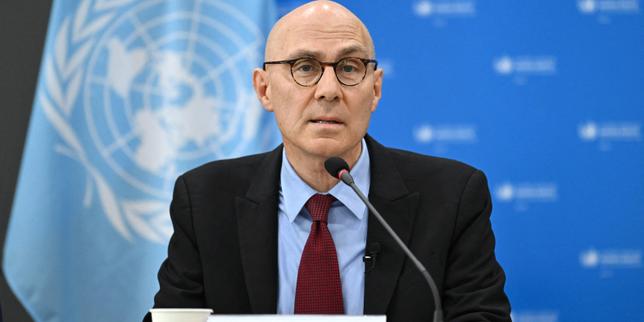
International law usually moves at a glacial pace. But the relentless crisis in Gaza has forced global institutions to speak with rare, stark urgency. When the Office of the United Nations High Commissioner for Human Rights demands that Israel take immediate, concrete steps to prevent genocide, it isn't just standard bureaucratic hand-wringing. It represents a fundamental shift in how the international community handles state accountability during active conflict.
The core issue isn't about political posturing. It rests on specific, binding legal obligations under international treaty law. Many commentators treat these UN announcements as mere opinion pieces. That's a mistake. They actually form the backbone of mounting legal pressure that shapes diplomatic ties, military aid packages, and future war crimes tribunals.
The UN Human Rights Stance on Gaza Explained Simply
The UN High Commissioner for Human Rights has explicitly called on Israeli authorities to respect the International Court of Justice order. This order mandates the prevention of acts falling under the Genocide Convention. This means halting indiscriminate attacks, ensuring the survival of the civilian population, and allowing unimpeded humanitarian aid into the strip.
Why does this matter so much right now? Because under the 1948 Genocide Convention, the duty to prevent genocide kicks in the moment a state learns of a serious risk that such acts might occur. The UN isn't waiting for a historical review years down the line. They're stating that the risk is happening right now, in real-time.
For months, aid agencies have documented severe restrictions on food, clean water, and medical supplies. When the UN High Commissioner steps in, they look at these cumulative factors. They aren't just looking at military strikes. They examine the total destruction of civil infrastructure, hospitals, and bakeries. The legal argument shifts from standard rules of engagement to the structural survival of an entire population group.
What Most People Get Wrong About UN Authority
A common complaint is that the UN has no teeth. People see resolutions pass, statements issued, yet the ground reality remains devastatingly unchanged. It's easy to conclude the system is broken and useless.
That view misses how international pressure actually functions. True, the UN High Commissioner can't send a police force to arrest compliance out of Jerusalem. But their findings hold immense weight in domestic courts across the globe.
Consider how weapons export laws work in Western countries. In places like the Netherlands and the UK, domestic laws prohibit the export of military equipment if there's a clear risk the weapons might be used in serious violations of international humanitarian law. When a top UN human rights body issues a formal warning about genocide prevention, it provides the exact legal ammunition domestic human rights lawyers need to sue their own governments. It forces a pause on arms transfers. We've already seen Dutch courts block F-35 fighter jet parts based on these exact kinds of international law risks. The UN's words become local legal realities.
The Legal Threshold of the Genocide Convention
Proving intent in international law is notoriously difficult. It's the highest legal bar to clear. Most wartime tragedies are categorized as war crimes or crimes against humanity. Genocide requires something specific, the intent to destroy, in whole or in part, a national, ethnical, racial, or religious group.
The UN Human Rights office focuses heavily on public rhetoric from high-ranking officials alongside military actions on the ground. When ministers speak openly about total blockades or erasing neighborhoods, those words are logged. They aren't just inflammatory politics. They're potential evidence of intent.
The regular updates from the UN serve as a formal ledger. They track the targeted destruction of universities, municipal archives, and agricultural land. The argument being built is that these actions systematically destroy the ability of a group to sustain life in that territory. It's a comprehensive approach to tracking state behavior.
Real Consequences for Global Alliances
This legal pressure creates a massive headache for Israel's traditional allies, particularly the United States and European nations. By continuing to offer unconditional diplomatic cover and logistical support, these nations risk being viewed as legally complicit under international frameworks.
The shifting stance of global bodies forces allies to adjust their public positions. You see it in the changing rhetoric of foreign ministries. Statements that once offered absolute, unquestioning support slowly morph into urgent demands for humanitarian corridors and targeted operations. No government wants its leaders dragged into future compliance investigations or facing universal jurisdiction lawsuits abroad.
Track the Developments Yourself
Navigating the constant stream of news requires looking at primary legal documentation rather than filtered political commentary. To understand where this situation goes next, look directly at the sources driving the global legal framework.
Keep tabs on the formal updates published periodically on the Office of the United Nations High Commissioner for Human Rights official portal, which details field reports and legal findings. Review the ongoing filings and provisional measures listed on the International Court of Justice website to see exactly how states are responding to the genocide prevention mandates. Monitor the regular briefings from the International Criminal Court regarding their independent investigations into potential war crimes committed by all parties in the region.
Pay attention to the specific legal language used in these updates, rather than the political spin surrounding them. The transition from diplomatic critique to formal legal warning is where the real policy shifts happen.