We forget how heavy the internet used to feel.
Back when broadband was a luxury measured in sluggish kilobytes, the cables running beneath our pavements were treated like municipal plumbing. They were just there. Gray, heavy, buried deep in the mud alongside gas lines and storm drains. We did not think about them. We simply expected the digital water to turn on every time we flicked the switch. For another perspective, check out: this related article.
Then came the grand consolidation. Companies grew massive, buying up concrete exchanges and tangled copper webs, promising that bigger meant better. They promised that holding everything under one corporate roof would keep our digital lives safe, steady, and cheap.
It did not work. Further insight on the subject has been provided by Business Insider.
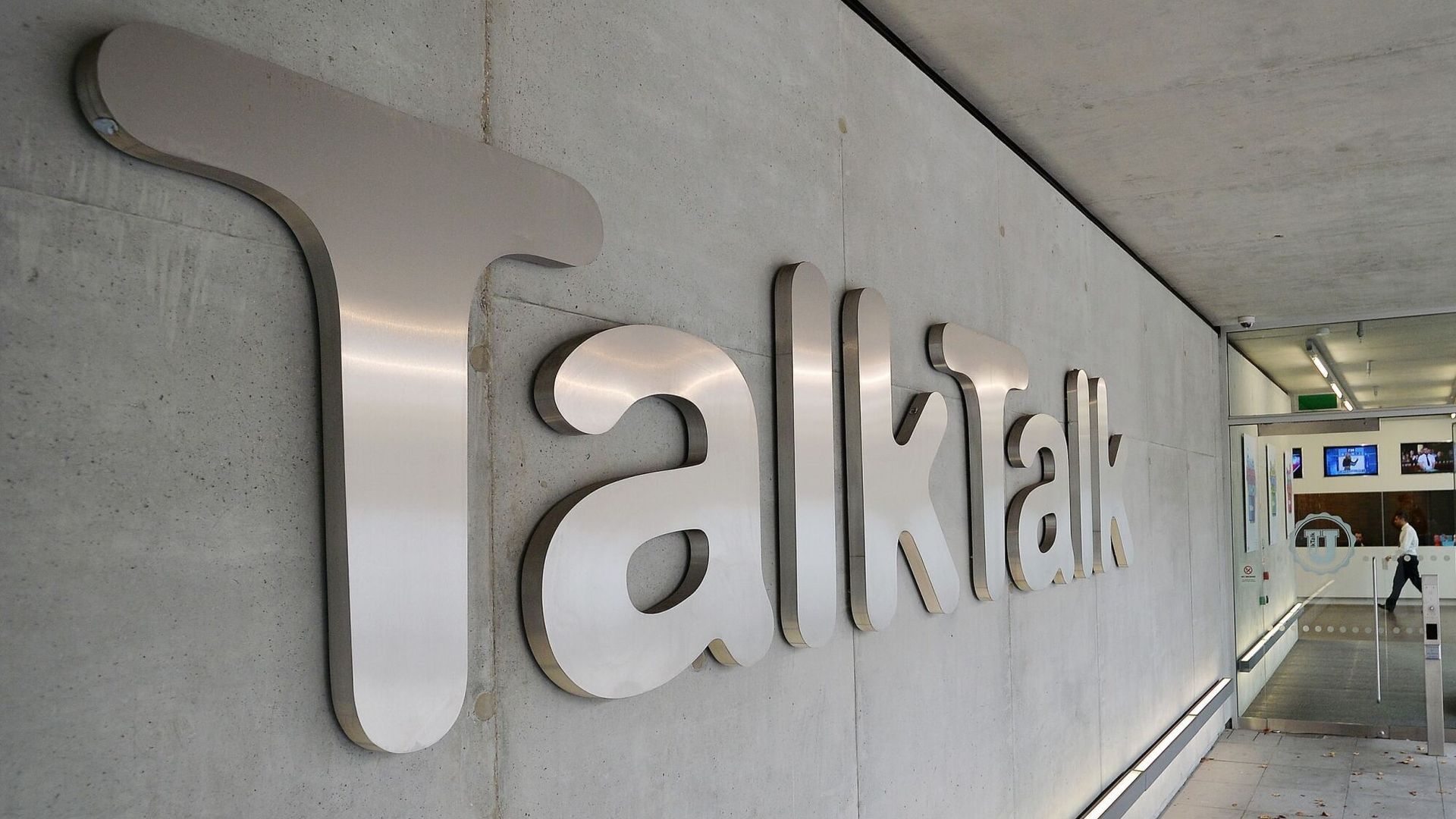
Consider the story of TalkTalk. For years, it sat at the center of a sprawling telecom kingdom, trying to be everything to everyone. It was the budget provider, the household name, the giant holding a vast infrastructure network known as Platform X, or PXC. To the executives sitting in high-rise boardrooms, PXC was an asset on a balance sheet. It was a collection of wholesale fiber and copper lines stretching across the country, selling bandwidth to other providers.
To the rest of us, it was an invisible engine room.
But empires built on heavy debt and fragmented ambitions rarely age well. The weight became too much to carry. The balance sheets started to bleed. And so, the inevitable cracking sound began.
TalkTalk is now fracturing. The corporate monolith is breaking apart because the modern market demands agility, and dinosaurs simply cannot dance.
The most telling blow in this slow-motion breakup is the sale of the PXC network arm to Octopus. Yes, that Octopus. The energy disruptor that spent the last few years making traditional utility companies look sluggish and out of touch has set its sights on the physical architecture of British telecommunications.
This is not merely a corporate shuffle. It is a tectonic shift.
Think about what happens when a company like Octopus enters the room. They do not operate like traditional telecom giants. They use automation. They use a philosophy built around treating infrastructure not as a dusty utility, but as a living, breathing service. When an energy insurgent buys a massive wholesale network arm, they are not just acquiring cables. They are acquiring leverage. They are buying the nervous system that feeds hundreds of thousands of business and residential connections.
Behind the dry financial headlines, real people are holding their breath.
Imagine Sarah, a small business owner running a design agency out of a converted warehouse in Manchester. Sarah does not care about corporate restructuring. She does not care about debt covenants or equity stakes. She cares about the red light on her router staying green. When her connection drops during a live client presentation, her livelihood takes a direct hit.
When corporate giants fight, merge, and fracture, Sarah feels the tremors first.
For months, the rumors had been swirling. TalkTalk needed cash. The debt was suffocating. The breakup was no longer a question of if, but when. Analysts sharpened their pencils, drafting obituaries for the old corporate structure. Competitors circled like hawks, waiting to pick apart the carcass.
When a company splits its retail arm from its wholesale infrastructure, it is an admission of defeat. It means the original vision failed. The idea that a single consumer-facing brand could effectively manage the dirty, heavy lifting of national network maintenance while simultaneously fighting for retail broadband customers in a brutal price war proved to be a delusion.
Specialization always wins in the end.
The acquisition of PXC by Octopus signals a new era for that infrastructure. It strips away the bloated bureaucracy that weighed TalkTalk down. But it also introduces uncertainty. Whenever ownership of the pipes carrying our data shifts hands, there is a period of friction. Contracts get reviewed. Priorities change. Service levels are tested.
Yet, there is a strange sort of poetry in it.
The old world of telecommunications was defined by monopolies and gray monoliths. It was heavy, slow, and opaque. The new world, clumsy as it often feels during these messy transitions, is trying to strip away the fat. By detaching the network arm from the consumer-facing chaos, PXC stands a chance to breathe. Under new stewardship, those underground fibers might finally get the modern software-driven upgrade they desperately need.
We are watching the end of an era where telecom companies tried to own the entire stack from end to end. The future belongs to those who do one thing exceptionally well.
The copper is changing hands. The corporate logos on the vans parked outside your local green street cabinet will soon be different. But the data will keep flowing, silent and relentless, oblivious to the boardroom wars waged above ground.
And Sarah will still click send on her presentation, hoping the green light holds.